Stomach Cancer Symptoms Diagnosis Treatment and Prognosis
Understanding Stomach Cancer: Symptoms and Early Warning Signs
Stomach cancer, also referred to as gastric cancer, is a significant health concern that often remains undetected until it progresses to more advanced stages. The subtle nature of its early symptoms often leads individuals to dismiss them as minor gastrointestinal issues. Alarmingly, stomach cancer continues to be one of the leading causes of cancer-related fatalities across the globe in 2025. This underscores the critical importance of being aware of the symptoms and early warning signs associated with this disease.
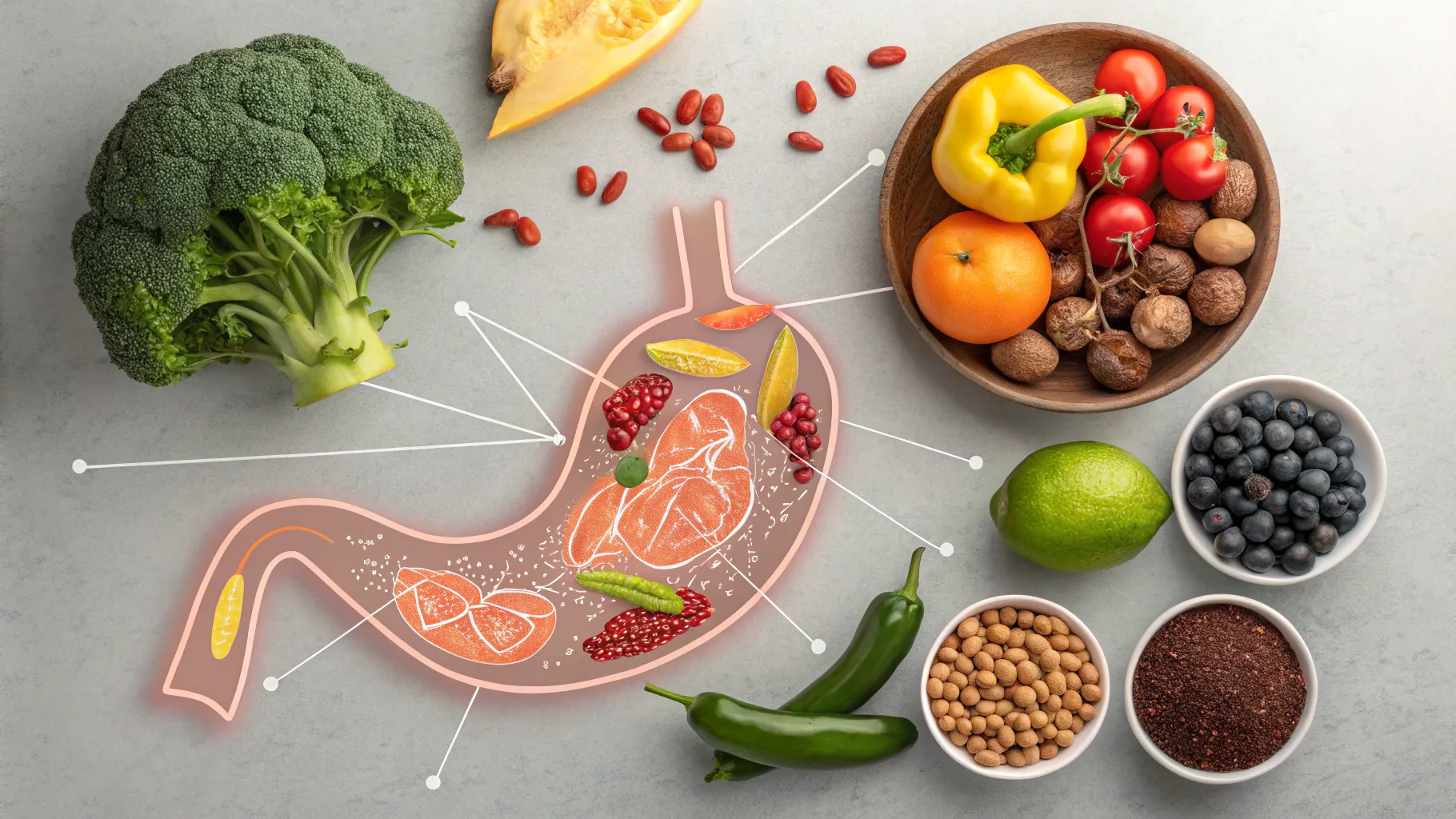
Key Symptoms of Stomach Cancer
Symptoms of stomach cancer can vary considerably from person to person. However, some of the most prevalent symptoms include the following:
- Abdominal Pain: Persistent abdominal discomfort is among the primary indicators of potential stomach issues.
- Nausea and Vomiting: Feelings of nausea may occur, often accompanied by vomiting, especially after meals.
- Loss of Appetite: A noticeable decrease in appetite, often linked to sudden weight loss, can be a serious red flag.
- Difficulty Swallowing: Many patients experience dysphagia, which is the medical term for difficulty swallowing, especially solid foods.
- Fatigue and Weakness: Persistent fatigue that doesn’t improve with rest is another alarming symptom.
If you regularly experience these symptoms, it is vital to consult a healthcare provider promptly. Early detection significantly enhances the chances of successful treatment.
Signs of Stomach Cancer to Monitor
In addition to general symptoms, there are certain signs that could indicate the presence of stomach cancer:
- Blood in Stool: Dark stools or the presence of blood during bowel movements is a cause for immediate concern and should be evaluated by a medical professional.
- Unexplained Weight Loss: Losing more than 10 pounds without trying could signify an underlying issue.
- Heartburn and Indigestion: Experiencing persistent heartburn or indigestion, especially if these symptoms are new or worsening, warrants further investigation.
Being vigilant about these signs can empower individuals to seek medical help at the first opportunity, thereby increasing their likelihood of effective treatment.
Diagnosing Stomach Cancer
Diagnosing stomach cancer typically involves a comprehensive approach, beginning with a detailed medical history and a physical examination conducted by a doctor. If stomach cancer is suspected, several diagnostic tests may be recommended:
- Endoscopy: This procedure involves the insertion of a thin tube with a camera through the mouth to visualize the stomach lining directly.
- Biopsy: During an endoscopy, tissue samples can be collected for laboratory testing to detect cancer cells.
- Imaging Tests: Techniques such as CT scans or MRIs are useful in visualizing the stomach and assessing the extent of the cancer.
Doctors use these diagnostics to determine the stage of the cancer, which is crucial for guiding treatment decisions. Currently, the staging ranges from I (localized) to IV (metastatic). Recent statistics indicate that about 20% of cases are diagnosed at earlier stages, while many are still found at more advanced stages.
Understanding Stomach Cancer Causes and Risk Factors
The development of stomach cancer can be influenced by various factors, including lifestyle choices and genetic predispositions. Some notable risk factors include:
- Aging: The risk of developing stomach cancer increases significantly after the age of 50.
- Chronic Gastritis: Long-term inflammation of the stomach lining, often resulting from bacterial infections or irritants, is a significant risk factor.
- Helicobacter pylori Infection: This common bacterial infection has been linked to various stomach issues and can lead to cancer.
- Dietary Habits: High consumption of salty, smoked, or preserved foods is associated with an increased risk of stomach cancer.
Additionally, emerging studies suggest that a family history of gastric cancer raises the risk, indicating a genetic component that necessitates awareness in at-risk individuals.
Treatment Options for Stomach Cancer
Once a diagnosis is confirmed, treatment plans for stomach cancer will vary based on the cancer stage and the patient's overall health. The primary treatment modalities include:
- Surgery: This is often the most effective treatment for early-stage gastric cancer, which involves the removal of cancerous sections of the stomach.
- Chemotherapy: Typically used to shrink tumors prior to surgery or to eliminate any remaining cancer cells post-surgery.
- Radiation Therapy: Frequently combined with other treatments, especially in advanced stages.
- Targeted Therapy: This newer treatment method focuses on specific abnormalities found within cancer cells, improving treatment efficacy.
Each treatment plan is tailored to the individual patient, recognizing that every case of stomach cancer presents unique characteristics that guide optimal treatment choices.
The Prognosis of Stomach Cancer
The prognosis for stomach cancer largely hinges on the stage at which it is diagnosed. Current statistics indicate that the 5-year survival rate is approximately 68% for localized cases, illustrating the profound impact of early detection. In stark contrast, the survival rate for more advanced cases can plummet to around 5%, emphasizing the importance of recognizing early symptoms.
Survival statistics have been improving gradually as advancements in treatment options and diagnostic methods progress. Greater awareness and understanding of early signs can lead to timely action, ultimately enhancing patient outcomes.
In today’s health-conscious society, ensuring that you stay informed about stomach cancer's symptoms and risk factors is critical. By remaining vigilant and proactive about your health, you take essential steps to safeguard your well-being.
Authored by FreshLifeWire team