Stent vs Bypass: Understanding the Differences Between Stent Placement and Bypass Surgery
Fast Facts:
- Improved Blood Flow: Both procedures aim to restore healthy blood flow to the heart.
- Cardiovascular disease remains a leading health concern for adults worldwide, driving continuous advancements in treatment.
Navigating Cardiac Choices: Stent Placement vs Bypass Surgery
When faced with coronary artery disease, two primary interventions often come into discussion: stent placement and bypass surgery. While both aim to restore proper blood flow to the heart, understanding the differences between stent placement and bypass surgery is crucial for patients and their families. This article delves into how each procedure works, what recovery expectations entail, and the specific risks to consider, helping illuminate when each option is recommended.
How Each Procedure Works: A Closer Look
Understanding Stent Placement
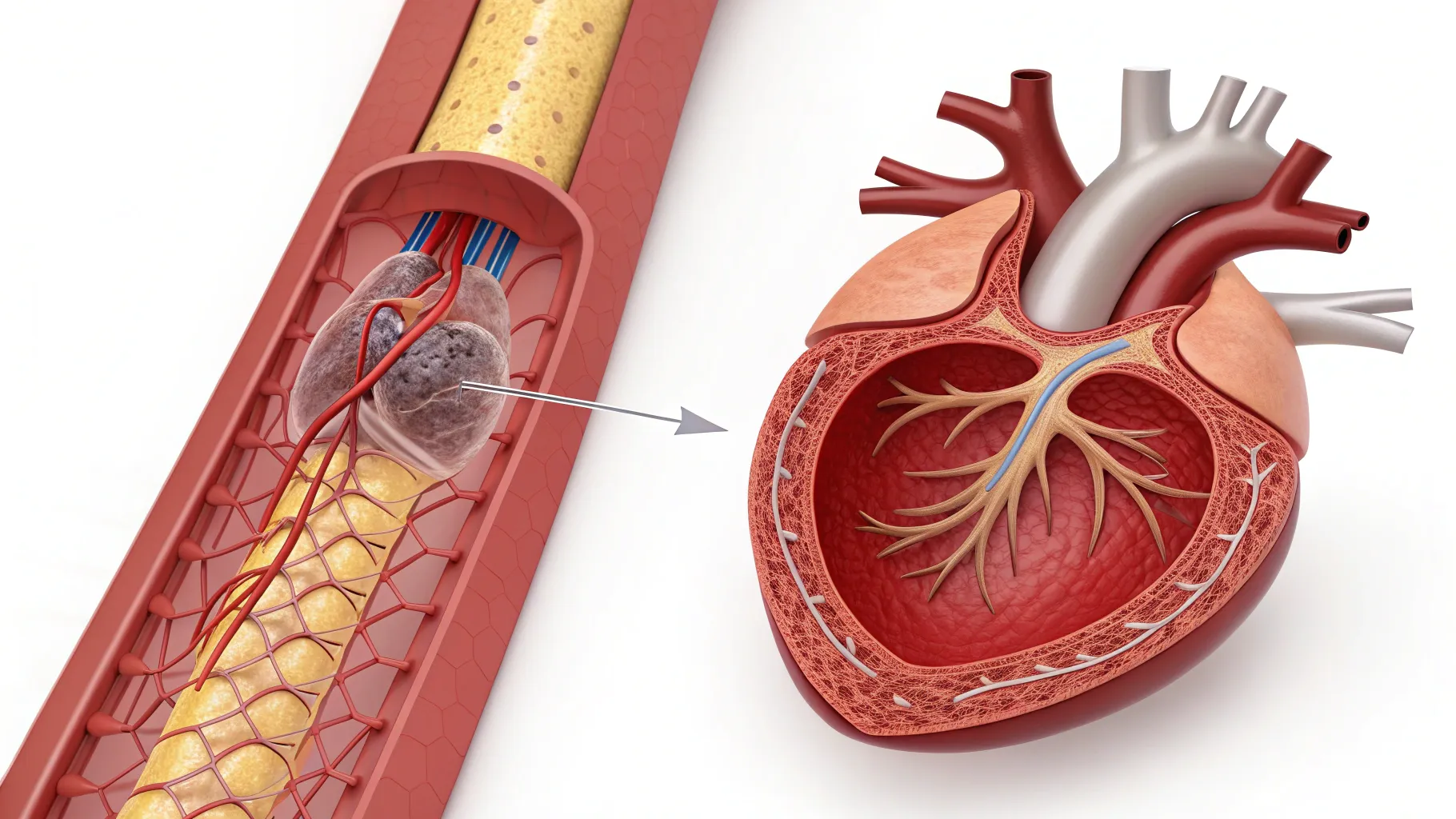
Stent placement, also known as percutaneous coronary intervention (PCI), is a minimally invasive procedure designed to open blocked or narrowed coronary arteries. During the procedure, a catheter with a balloon is inserted, typically through the wrist or groin, and guided to the blocked artery. The balloon is inflated to compress the plaque, and a small mesh tube, or stent, is then deployed to keep the artery open. This process is a key part of how each procedure works, restoring blood flow efficiently with less invasiveness.
Exploring Bypass Surgery
Coronary artery bypass graft (CABG) surgery, in contrast, is an open-heart procedure. It involves taking a healthy blood vessel (a graft) from another part of the body, such as the leg or chest, and attaching it to the coronary artery above and below the blockage. This creates a new path for blood to flow around the narrowed or blocked section, effectively bypassing it. This major surgery highlights a significant aspect of how each procedure works and its impact on the body.
Recovery Expectations: Life After Intervention
Stent Recovery Journey
For patients undergoing stent placement, recovery expectations are generally shorter. Most individuals can return home within a day or two and resume normal activities within a week, though strenuous exercise might be restricted initially. Lifestyle modifications, including diet, exercise, and medication adherence, are critical for long-term success.
Bypass Surgery Recovery Timeline
Bypass surgery involves a more extensive recovery period. Patients typically remain in the hospital for several days, followed by several weeks or even months of recuperation at home. Full recovery can take 6-12 weeks, with significant restrictions on lifting and physical activity. Cardiac rehabilitation is often recommended to aid in a safe and effective return to daily life, shaping the specific recovery expectations.
Risks to Consider: Weighing the Outcomes
Both stent placement and bypass surgery carry inherent risks to consider. Stent placement risks include blood clots within the stent, restenosis (re-narrowing of the artery), and reactions to contrast dye. Bypass surgery, being more invasive, has risks such as infection, bleeding, stroke, heart attack, and complications from anesthesia. The choice often involves balancing these risks against the severity and location of the blockages.
When Each Option is Recommended: Tailoring Treatment
The decision of when each option is recommended depends on several factors, including the number of blocked arteries, the location and severity of blockages, overall heart function, and the patient's general health. Stents are typically favored for single or less complex blockages. Bypass surgery is often recommended for multiple blockages, particularly in major arteries, or when diabetes is present, offering a more complete and durable revascularization for certain patient profiles.
Making an Informed Decision: Actionable Advice
- Consult your cardiologist extensively to discuss your specific condition and medical history.
- Understand the short-term and long-term implications of each procedure.
- Consider your lifestyle and recovery expectations when weighing options.
- Ask about the potential risks to consider for both stent placement and bypass surgery.
- Seek a second opinion if you feel unsure about the recommended course of action.
Frequently Asked Questions
Is stent placement less invasive than bypass surgery?
Yes, stent placement is generally considered a minimally invasive procedure compared to open-heart bypass surgery, which involves a larger incision and longer hospital stay.
What are the long-term outcomes for stent vs bypass?
Both procedures have excellent long-term outcomes for improving heart health. However, when each option is recommended often depends on the complexity of blockages, with bypass potentially offering more durable results for multi-vessel disease.
References
- American Heart Association. Coronary Artery Disease.
- Mayo Clinic. Coronary Bypass Surgery.
- National Heart, Lung, and Blood Institute. Stents.
Authored by FreshLifeWire team