Stent Recovery Guide for Better Heart Health and Longevity
Understanding the Stent Recovery Process
For many individuals diagnosed with coronary artery disease, stenting is a pivotal part of treatment. A stent is a small mesh tube inserted into a narrowed or blocked artery to help keep it open, allowing for improved blood flow. As with any medical procedure, understanding the stent recovery process is essential for patients aiming for the best heart health outcomes.
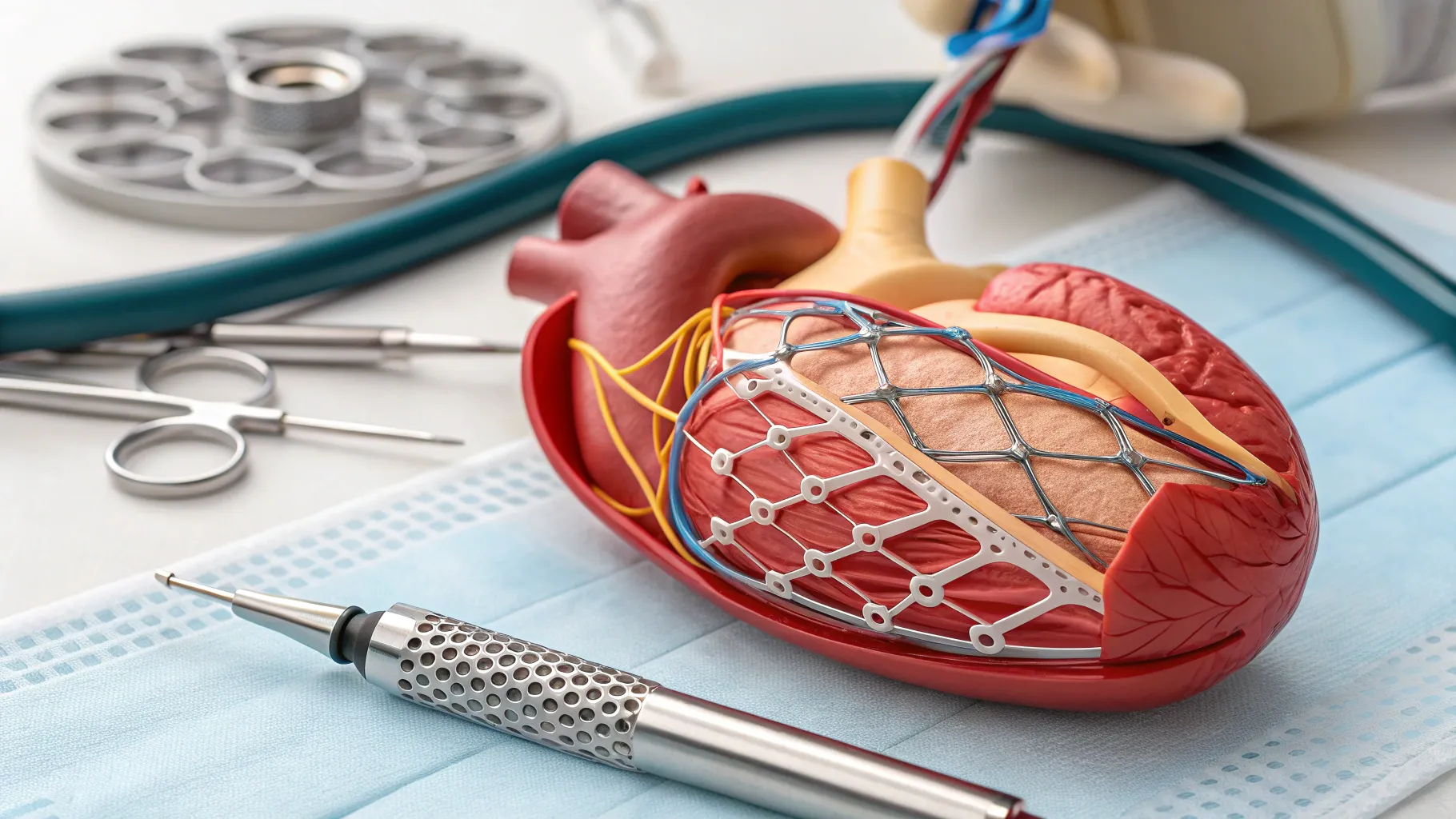
After a stenting procedure, the initial recovery phase typically occurs in the hospital. Patients generally spend several hours in a recovery room to be monitored for any immediate complications. Once cleared, most individuals are discharged within a day. However, full recovery can take longer. Research indicates that about 12% of patients may encounter complications within the first month post-stenting, highlighting the imperative nature of careful recovery management.
Key Aspects of Stent Recovery
Post-stent recovery involves careful attention to various factors that can affect overall recovery and heart health. Here are several important aspects:
- Monitoring Symptoms: It is crucial for patients to be vigilant in observing any unusual symptoms such as chest pain or shortness of breath, and to report these issues to their healthcare provider promptly. Regular communication with medical professionals ensures any complications can be addressed swiftly.
- Medications: Following the stenting procedure, patients typically receive antiplatelet medications to prevent blood clots on the stent. Adherence to this medication regimen is vital in preventing heart-related events. Skipping doses can significantly increase risks, thus, making it essential for patients to stay on top of their prescriptions.
- Lifestyle Adjustments: Embracing heart-healthy lifestyle changes plays a pivotal role in recovery. This includes adopting a balanced diet, engaging in regular physical activity, and quitting smoking. Recent studies show that appropriate lifestyle modifications can enhance survival rates significantly, reducing the risk of heart disease by up to 50%.
Additionally, mental health significantly influences recovery. Addressing any anxiety related to one's heart health can empower individuals to take an active role in their recovery journey.
Heart Health Maintenance: A Long-Term Strategy
The journey doesn’t end with a successful stenting procedure. Rather, ongoing heart health maintenance is a continuous commitment. Researchers emphasize that the long-term results from stenting depend largely on how well patients manage their overall health afterward. Successful recovery is not solely about the procedure itself but encompasses the adoption of effective health practices post-operation.
Patients are encouraged to participate in follow-up appointments to assess their heart health regularly. These visits often include stress tests and imaging studies to monitor the stent's function and the condition of arteries. Notably, studies from the American Heart Association demonstrate that patients who adhere to follow-up care experience significantly improved outcomes, including a lower risk of further cardiac events.
Multiple studies continue to show that engaging in a structured cardiac rehabilitation program can significantly aid recovery. Recent data indicates that over 80% of patients who participate in these programs report substantial improvements in quality of life and heart health maintenance. Rehabilitation programs offer a supervised environment where individuals can gain valuable knowledge and skills to improve their health dramatically.
The Importance of Lifestyle Adjustments
In 2025, more people are recognizing the impact that lifestyle adjustments have on cardiovascular health. These changes cover various domains:
- Nutrition: Adopting a heart-healthy diet—rich in fruits, vegetables, whole grains, lean proteins, and healthy fats—is immensely beneficial. Cardiovascular experts advocate for the Mediterranean diet, citing its heart-protective advantages.
- Exercise: Incorporating physical activity into daily life is essential for heart health. Aim for at least 150 minutes of moderate aerobic exercise per week, as recommended by health guidelines.
- Mental Well-being: Chronic stress negatively impacts heart health. Activities such as yoga, meditation, and even counseling can effectively enhance mental health and, consequently, overall cardiovascular wellness.
Real-world examples drawn from community health initiatives demonstrate how integrated strategies—merging medical care with lifestyle changes—are leading to significant patient outcome improvements. For instance, a program in a large urban area has reported a 30% decrease in heart attack rates among participants who regularly engage in lifestyle modification efforts.
Follow-Up Care: A Lifeline for Heart Health
Follow-up care serves as a lifeline for recovering patients. This ongoing care encompasses not only regular check-ups with healthcare providers but also the integration of technology-enabled solutions. Telehealth, which has gained immense popularity recently, makes it more convenient for patients to stay connected and monitor their health effectively.
Patients can now take advantage of apps and remote monitoring devices that significantly influence long-term heart health. These interactive platforms allow individuals to track medications, schedule follow-ups, and communicate directly with healthcare providers about their conditions, ensuring continuous engagement in their recovery.
Significantly, cardiovascular research indicates that structured and proactive follow-up care can enhance patient adherence to medications and lifestyle adjustments. This ultimately leads to improved survival rates and overall health post-stenting. Ownership of one's heart health becomes crucial as patients actively participate in their recovery and ongoing maintenance.
In summary, while the stent recovery process begins with the initial medical procedure, its ongoing journey through lifestyle adjustments, follow-up care, and focus on mental health truly defines success. A continued commitment to heart health maintenance can lead to improved long-term results and a healthier, more active life following the procedure.
Authored by FreshLifeWire team