Spray Foam Kits Overview: Explained for Home Use and DIY Projects
Embarking on a home improvement project or looking to enhance your property's energy efficiency often leads to exploring advanced insulation solutions. Among the most effective options available to homeowners and professionals alike are spray foam kits. This comprehensive guide provides a thorough spray foam kits overview, explaining what they are, how they function, and the significant advantages they offer.
Understanding Spray Foam Kits: An Overview
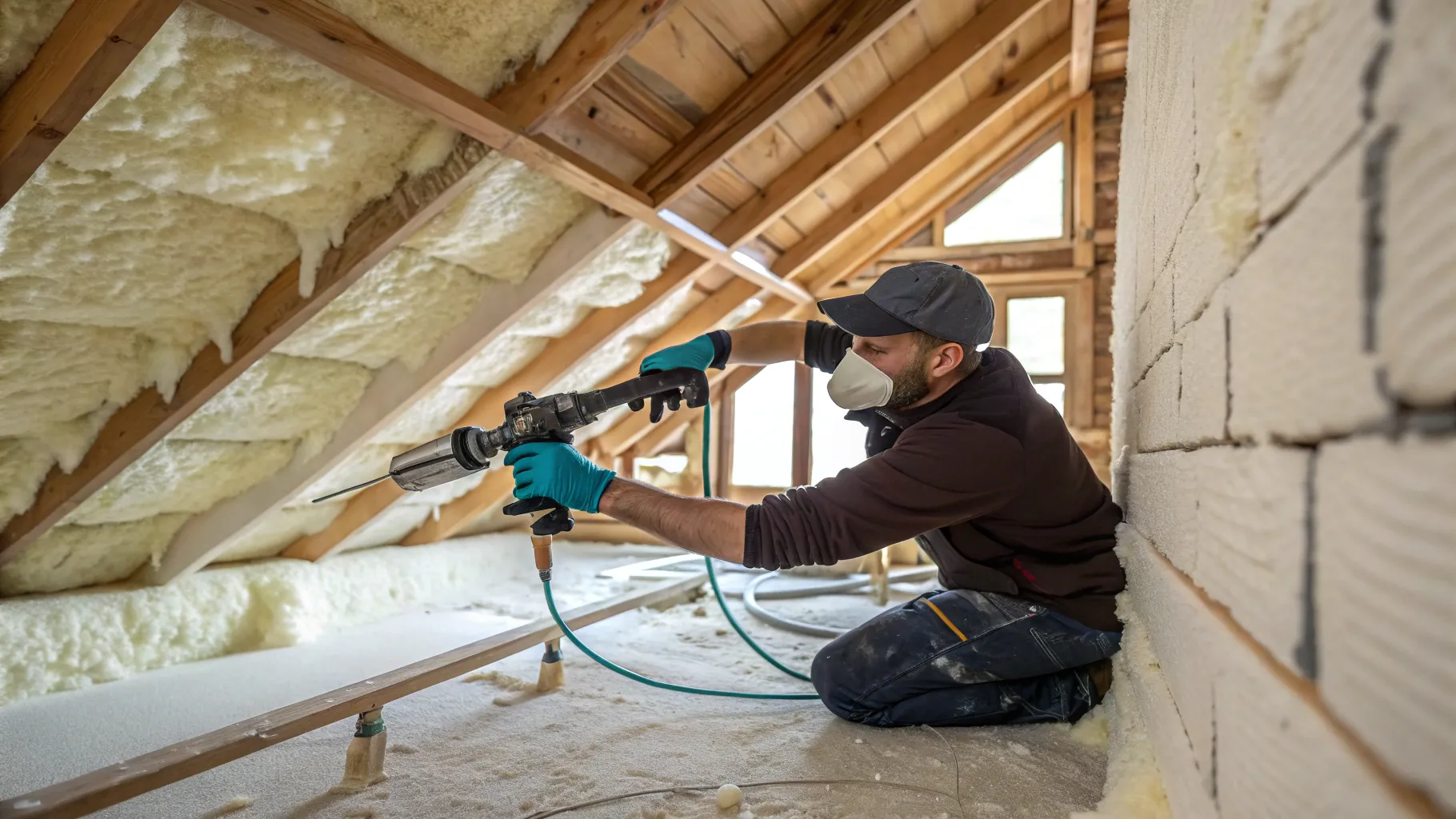
Spray foam insulation kits explained are self-contained systems designed to allow users to apply two-component polyurethane foam. These kits typically come with two pressurized tanks, hoses, and an applicator gun that mixes the chemicals at the nozzle, creating an expanding foam that quickly hardens. They are ideal for sealing gaps, cracks, and entire wall cavities, providing superior thermal performance compared to traditional insulation methods.
Types of Spray Foam Kits and Their Applications
When considering spray foam insulation for home use, it's crucial to understand the different types of spray foam kits available. The primary distinction lies between open-cell and closed-cell foam:
- Open-Cell Spray Foam Kits: These produce a lighter, less dense foam with an open cellular structure. It's excellent for soundproofing and offers good thermal resistance, often used in interior walls, attics, and crawl spaces. It's more permeable to moisture vapor.
- Closed-Cell Spray Foam Kits: This type creates a denser, more rigid foam with a closed cellular structure. It provides superior insulating properties, acts as a vapor barrier, and adds structural strength. It's ideal for exterior walls, foundations, and areas where moisture control is critical.
Each type offers distinct advantages, making the choice dependent on the specific application and desired outcome for your project.
How Spray Foam Kits Work: A Step-by-Step Guide
Understanding how spray foam kits work demystifies the application process. The kits consist of two chemical components, an "A" side (isocyanate) and a "B" side (polyol resin), stored under pressure in separate tanks. When triggered by the applicator gun, these components travel through separate hoses to the mixing nozzle. Upon exiting the nozzle, they combine and react, causing the mixture to expand rapidly and adhere to surfaces, creating an airtight and insulated barrier. Proper surface preparation and safety gear are paramount for successful application.
Choosing the Right Spray Foam Kit for Your Project
For individuals undertaking insulation tasks, choosing the right spray foam kit is a critical decision. Consider the size of the area you need to insulate, the required R-value (a measure of thermal resistance), and whether you need open-cell or closed-cell foam. For spray foam kits for DIY projects, smaller, more manageable kits are readily available and come with detailed instructions, making them accessible even for those with limited experience. Always check the kit's coverage area against your project's specifications.
Considerations for DIY Enthusiasts
- Safety First: Always wear appropriate personal protective equipment (PPE), including respirators, gloves, and eye protection.
- Ventilation: Ensure the work area is well-ventilated during and after application.
- Temperature: Foam reacts best within specific temperature ranges, so check the manufacturer's recommendations.
Spray Foam Kits Price Ranges and Energy Efficiency Benefits
The spray foam kits price ranges can vary significantly based on the type of foam (open-cell vs. closed-cell), the volume of the kit, and the brand. While the initial investment might be higher than some traditional insulation materials, the long-term savings often justify the cost. The primary reason for this is the remarkable energy efficiency benefits of spray foam insulation. By creating an airtight seal, spray foam dramatically reduces air leakage, preventing heat loss in winter and heat gain in summer. This leads to lower energy bills, a more comfortable indoor environment, and a reduced carbon footprint. Furthermore, spray foam can help prevent moisture intrusion and deter pests, adding to its overall value as a long-term investment in your home's integrity.
References:
epa.gov/energy
energystar.gov
buildingscience.com
Authored by FreshLifeWire team