Smartwatches with Fall Detection for Seniors: The Ultimate Safety Guide
Facts:
- One in four older adults reports falling each year.
- The adoption of wearable technology is rapidly growing for senior citizens.
Why Fall Detection is a Lifesaving Feature in Senior Smartwatches
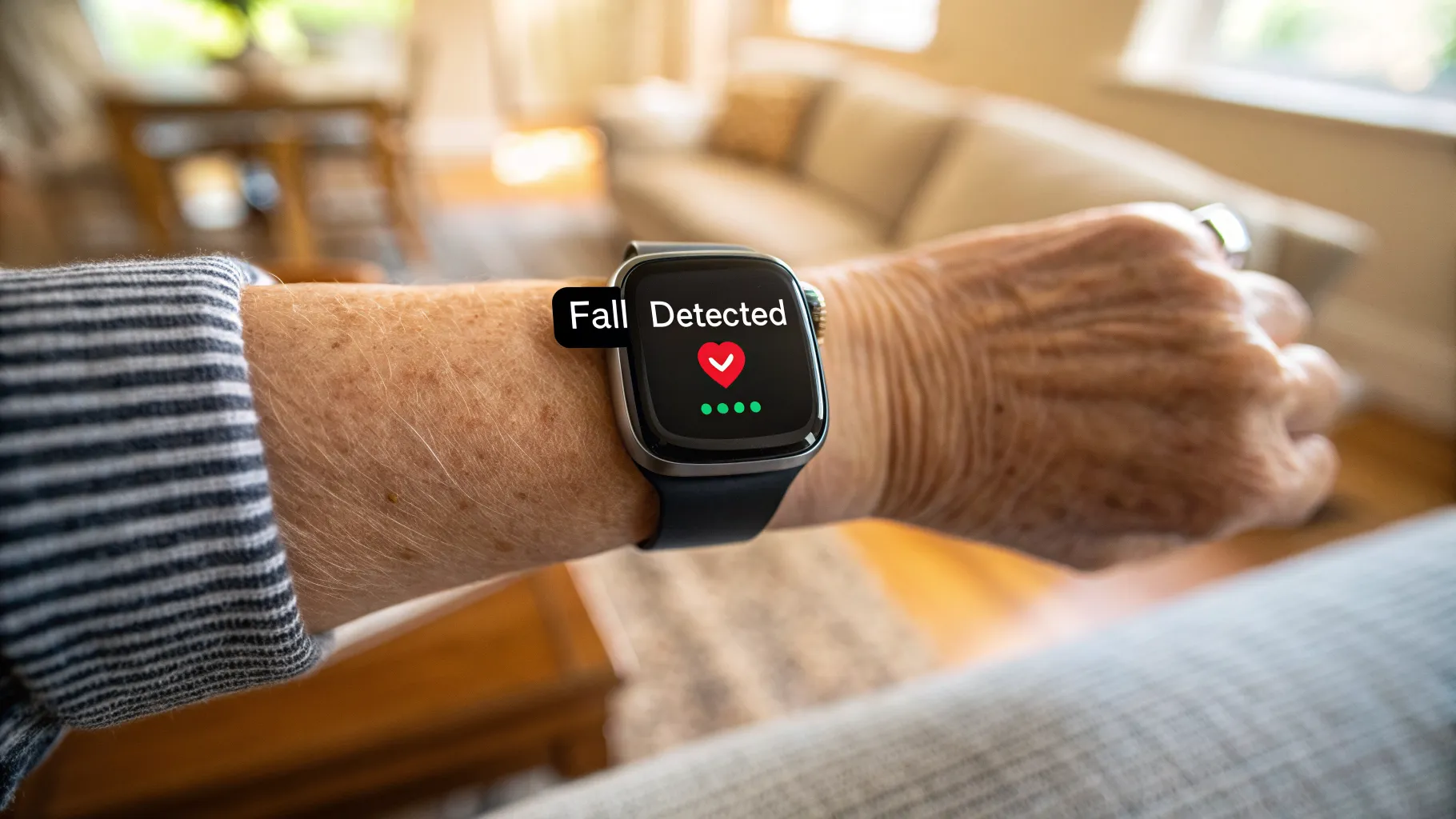
In today's world, technology offers remarkable solutions to age-old problems, and perhaps one of the most significant advancements for senior safety is the integration of fall detection into everyday wearables. These devices are more than just timekeepers; they are a critical lifeline. For many older adults and their families, the fear of a fall going unnoticed is a constant source of anxiety. Modern senior smartwatches equipped with this technology can automatically detect a hard fall and initiate a call to emergency services or pre-selected contacts if the user doesn't respond. This transforms a simple accessory into a powerful wearable medical alert system, providing independence for the user and invaluable peace of mind for loved ones. The technology utilizes sophisticated accelerometers and gyroscopes to distinguish between a genuine fall and everyday movements, making it a reliable guardian on your wrist.
Top Features to Demand in a Modern Wearable Medical Alert
When selecting a smartwatch for an older adult, the feature list is paramount. Beyond the core function of fall detection, several other capabilities combine to create a comprehensive safety net. A built-in GPS is non-negotiable, as it allows emergency responders to pinpoint the user's exact location, which is crucial if a fall happens outside the home. Another essential feature is continuous heart rate monitoring. A high-quality heart rate monitor watch for seniors can track cardiac health, detect irregularities like atrial fibrillation, and provide data that can be shared with healthcare providers. Battery life is also a practical and critical consideration; a device that needs constant charging is less likely to be worn consistently. Look for models that offer multi-day battery life to ensure uninterrupted protection. Furthermore, features like medication reminders, two-way communication, and water resistance for use in the shower add layers of convenience and safety, making the device an indispensable part of daily life.
A Closer Look: Apple Watch Fall Detection vs. Dedicated Devices
The conversation around senior safety wearables often involves a comparison between mainstream tech and specialized devices. The apple watch fall detection feature is renowned for its accuracy and seamless integration into the Apple ecosystem. It can notify emergency services and contacts with location data, and its health-tracking capabilities are extensive. However, it requires an iPhone for setup and can have a steeper learning curve and higher price point. On the other hand, dedicated senior smartwatches are designed from the ground up with the older user in mind. They often feature larger text, simpler interfaces, and dedicated emergency buttons. Many also connect to professional 24/7 monitoring services, offering a human touch that some families prefer over automated systems. While they may lack the extensive app ecosystem of an Apple Watch, their focused design as a wearable medical alert device can make them a more straightforward and reliable choice for those whose primary concern is emergency response.
Choosing the Best Fitness Tracker for Older Adults: Beyond Emergencies
While emergency features are critical, promoting a healthy, active lifestyle is equally important for senior well-being. This is where the best fitness tracker for older adults comes into play. These devices encourage regular movement by tracking steps, distance, and active minutes. Many modern senior smartwatches include these features, helping to motivate users to meet daily activity goals, which can improve mobility and reduce the risk of falls in the first place. Sleep tracking is another valuable feature, providing insights into sleep quality and duration, which are vital for cognitive function and overall health. Some advanced models can even monitor blood oxygen levels and ECG, offering a more holistic view of cardiovascular health. By combining safety features with robust fitness tracking, these devices empower seniors to take a proactive role in managing their health, making them a comprehensive tool for a safer and healthier life.
How to Set Up and Test Your Fall Detection Smartwatch
Proper setup is key to ensuring your device works when it matters most. Once you've chosen the right wearable medical alert, it's essential to configure it correctly. Here are the steps to follow for maximum reliability and peace of mind.
- Charge Fully and Pair: Before anything else, ensure the device is fully charged. Follow the manufacturer's instructions to pair it with a smartphone if required. This is often necessary to input contact information and adjust settings.
- Input Emergency Contacts: Carefully enter the names and phone numbers of family members, caregivers, or neighbors who should be contacted in an emergency. Double-check the numbers for accuracy. Some devices also allow you to list medical information, such as allergies and conditions.
- Enable Fall Detection: Navigate to the device's settings, either on the watch itself or in the companion app, and ensure that the fall detection feature is turned on. Some devices, like the Apple Watch, may have this feature turned on automatically based on the user's age, but it's always best to verify.
- Conduct a Test: Most dedicated senior smartwatches and monitoring services recommend or offer a way to test the system. This may involve pressing the emergency button to speak with a monitoring agent and confirming your location and that the system is working. Do not attempt to simulate a hard fall, as this can be dangerous.
Frequently Asked Questions
How accurate is apple watch fall detection?
The apple watch fall detection is highly accurate for detecting hard, high-impact falls. It uses data from its accelerometer and gyroscope to analyze wrist trajectory and impact acceleration. While it may not detect every single slip or slide, it is very effective at identifying the kind of significant falls that are most likely to cause injury and require immediate assistance.
Can these smartwatches call 911 automatically?
Yes, most smartwatches with fall detection, including Apple Watch and many dedicated senior smartwatches, can be configured to automatically call emergency services (like 911) if they detect a hard fall and the user is unresponsive for a set period, typically about a minute. They will also notify emergency contacts.
Do I need a smartphone to use a senior smartwatch?
It depends on the model. Many devices, especially the best fitness tracker for older adults with advanced features, require a smartphone for initial setup and to access detailed health data. However, some wearable medical alert systems are designed to be completely standalone with their own cellular connection, eliminating the need for a separate phone.
Is a heart rate monitor watch for seniors important for safety?
Absolutely. A heart rate monitor watch for seniors provides crucial health insights. It can alert the user and their contacts to abnormally high or low heart rates or irregular rhythms, which could be signs of a serious medical issue. This proactive monitoring is a key component of a comprehensive safety device.
References
- National Council on Aging - Fall Prevention Facts
- Journal of Medical Internet Research - Wearable Devices for Health Monitoring
- American Heart Association - AFib and Wearable Technology
- Technology in Senior Care - Market Trends Report
Authored by FreshLifeWire team