Smart Lamps Buying Guide Everything You Need to Know
Everything You Need to Know Before Buying Smart Lamps
As technology continues to evolve, so does the way we illuminate our homes. Smart lamps have gained popularity in recent years due to their versatile functionality and seamless integration with smart home systems. In 2025, understanding what to look for when buying smart lamps is essential. Whether you’re a tech enthusiast or simply looking to enhance your living space, this guide will cover all the key aspects of smart lamps, making it easier to make an informed choice.
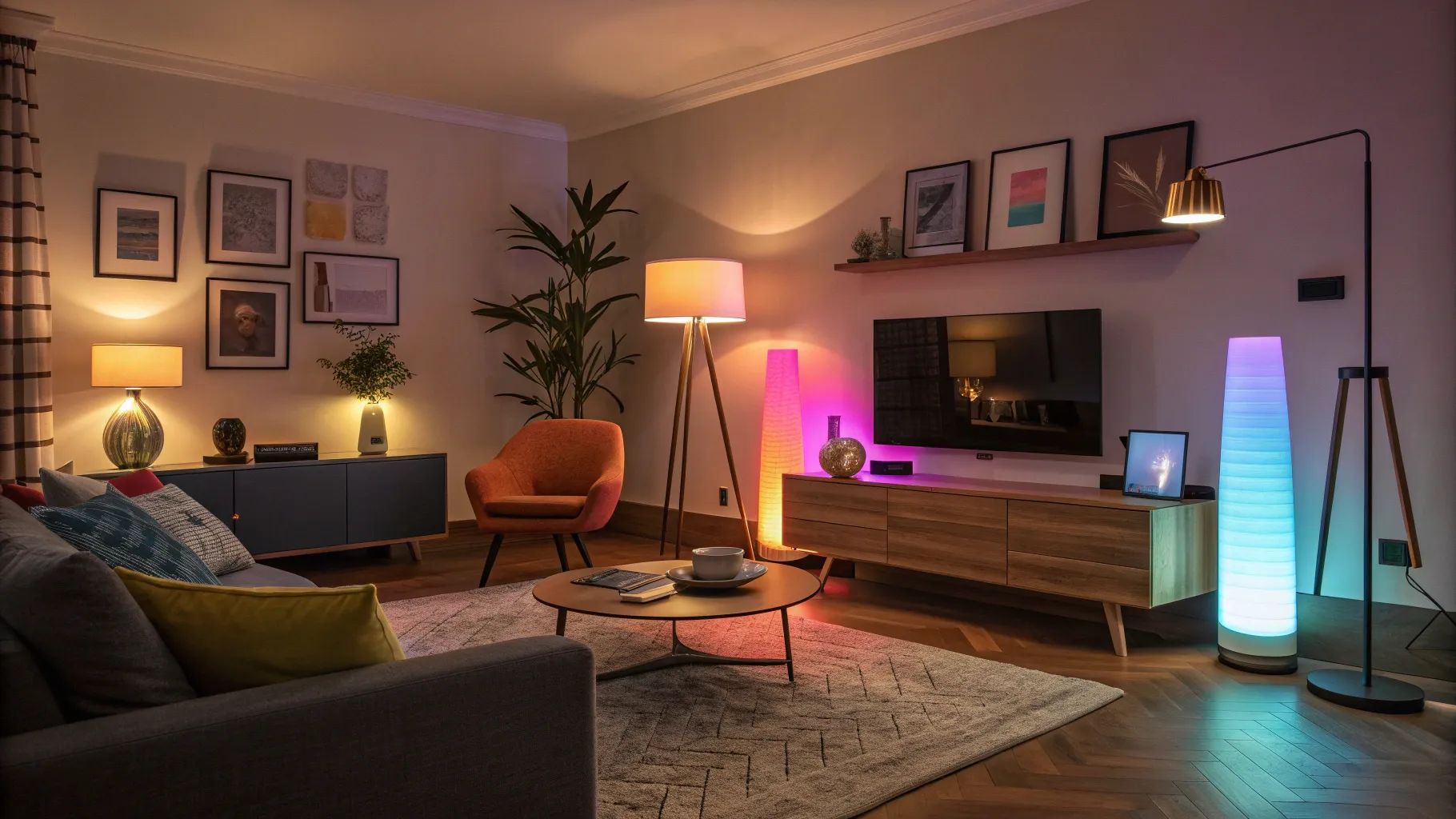
Types of Smart Lamps Explained
When it comes to smart lamps, the variety may seem overwhelming. However, understanding the different types can simplify your decision. Here are the most common categories:
- Smart Bulbs: These are traditional light bulbs with smart features. You can control them via apps or voice commands. Brands like Philips Hue and LIFX stand out for their compatibility and range of colors.
- Smart Table Lamps: These provide aesthetic appeal and functionality, often featuring touch control or built-in speakers. Options like the Nanoleaf Bloom combine design with smart features, elevating your decor.
- Smart Floor Lamps: Perfect for larger spaces, floor lamps can also offer multiple light settings. The TaoTronics Smart Floor Lamp can adjust color temperature, providing the perfect ambiance.
- Smart Accent Lights: These typically come in LED strips, allowing users to illuminate areas with color. They are excellent for mood lighting and often sync with music.
Pros and Cons of Smart Lighting
Just like any technology, smart lamps come with their advantages and disadvantages. Understanding these will help you gauge whether they’re suitable for your home.
Pros:- Convenience: Control your lighting remotely using apps or voice commands through smart assistants like Alexa or Google Assistant.
- Energy Efficiency: Smart lamps typically use LED technology, which can lead to significant energy savings compared to traditional incandescent bulbs. Studies show that smart lighting can reduce energy use by up to 75%.
- Customizability: Many smart lamps allow you to adjust brightness and color, creating the perfect mood for any occasion.
- Safety and Security: Smart lighting can mimic your presence at home by scheduling lights to turn on or off, helping deter potential intruders.
- Cost: Smart lamps can be more expensive than standard lamps, both in initial costs and setup of smart home systems.
- Compatibility: Not all smart lamps work with every smart home ecosystem. Ensure that your chosen products are compatible with your existing devices.
- Dependency on Wi-Fi: Most smart lamps require a stable internet connection. Connectivity issues can render them unusable.
Features to Consider in Smart Lamps
Not all smart lamps are created equal, and features can greatly influence your experience. Here are elements to think about:
- Remote Control: Check if the lamp can be controlled via a dedicated app or smart home system.
- Voice Control: Ensure the lamp is compatible with popular smart assistants for hands-free operation.
- Color and Brightness Settings: Look for models with adjustable color ranges and brightness levels for maximum customization.
- Scheduling and Automation: Many smart lamps allow you to set schedules, letting you automate your lighting based on your routine.
- Energy Monitoring: Some advanced smart lamps track energy usage, helping you monitor consumption and potentially save on electricity bills.
Smart Lamps vs Traditional Lamps
The debate between smart and traditional lamps often centers around usability and effectiveness. Traditional lamps are simple, reliable, and often less expensive upfront. However, smart lamps bring a level of control and customization that traditional options simply cannot match. As of 2025, most households with smart devices are shifting towards integrating smart lighting due to the enhanced experience and energy savings.
Smart Home Integration with Lighting
Integrating smart lamps into a smart home system enhances their functionality. Many users enjoy the seamless control through central hubs like Google Home or Apple HomeKit. For example, adjusting the lighting in your home automatically as you arrive can be done through synchronization with your phone’s GPS.
Moreover, the compatibility of smart lamps expands beyond lighting. With systems capable of interaction with your thermostat, security devices, and appliances, creating a cohesive living space becomes feasible. Smart automation can significantly improve your day-to-day life by saving time and promoting ease of use.
Energy Efficiency of Smart Lamps
In 2025, the push for energy-efficient home solutions continues. Smart lamps lead the charge by providing better energy consumption rates than traditional bulbs. According to EnergyStar statistics, switching to smart LED lighting can save households an average of $75 annually on their energy bills. With such significant savings paired with the convenience of smart features, the investment in smart lamps is likely to pay off quickly.
Ultimately, smart lamps offer a sustainable alternative to conventional lighting, and their efficiency gains can benefit both your wallet and the planet. If you are still on the fence, consider starting with a few smart bulbs and gradually expanding into more advanced smart lighting options.
With technology progressing exponentially, investing in smart lamps represents a step towards a brighter, more efficient future. As you assess your lighting needs, remember the blend of practicality and innovative features that smart lamps provide today.
Authored by FreshLifeWire team