Smart Home System Buying Guide for 2025 Features and Deals
Buying Smart Home System Guide
In the fast-evolving landscape of technology, integrating smart home systems into our daily lives has become increasingly popular. Whether it's for convenience, security, or energy efficiency, the decision to invest in a smart home system can be both exciting and overwhelming. This guide is designed to assist you in navigating the world of smart home systems in 2025, offering insights into features, pricing, and buying options available today.
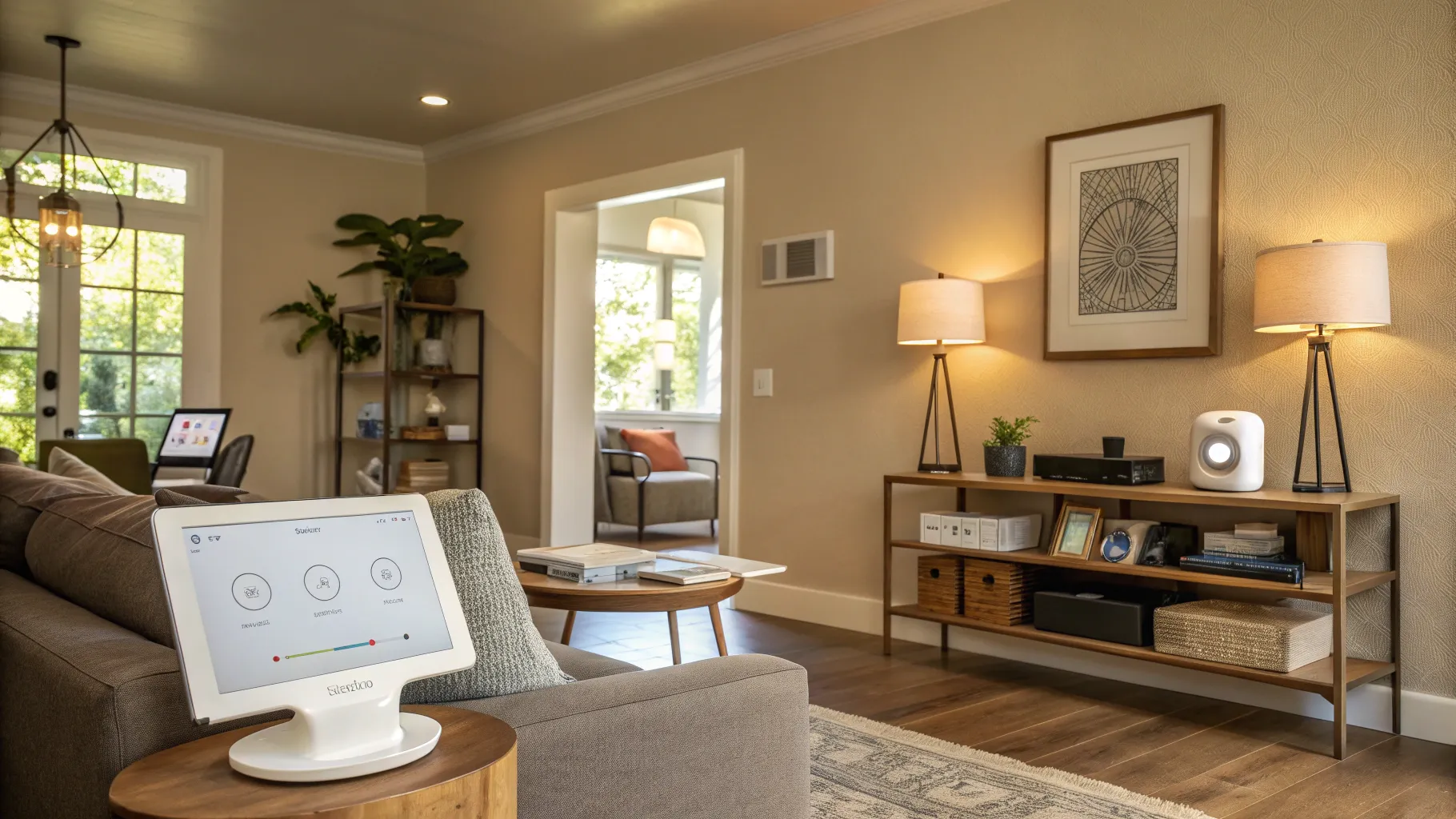
Best Smart Home Systems 2025
As of 2025, the market is flooded with various smart home systems, each promising a range of features tailored to meet diverse needs. Among the best smart home systems are:
- Google Nest Hub: Known for its intuitive interface and wide range of compatible devices, this system excels in user-friendliness.
- Amazon Alexa: With a massive ecosystem of devices and skills, Alexa is perfect for those looking to automate their homes thoroughly.
- Apple HomeKit: If privacy and security are your top priorities, HomeKit offers encrypted privacy features with seamless integration across Apple devices.
These systems lead the charge in 2025 for integration, ease of use, and compelling features. Think about what you value most: whether it's control via voice commands, compatibility with numerous gadgets, or heightened security features.
Smart Home Features to Consider
When choosing a smart home system, it's crucial to understand the features that can enhance your living space. Here are some must-have features:
- Home Security: Integrated video cameras, motion sensors, and alarms ensure your home is secure. Systems like Ring and Arlo are leaders in this area.
- Energy Management: Smart thermostats (such as Ecobee and Nest) help in managing your home’s heating and cooling effectively, saving energy and reducing bills.
- Voice Control: Hands-free commands allow for seamless management of devices making routines easier and more efficient.
- Automated Lighting: Smart bulbs give you control over your lighting with the ability to set schedules and moods based on your preferences.
- Smart Appliances: From refrigerators to coffee makers, smart appliances make daily tasks easier and contribute to energy efficiency.
Understanding these features will empower you to make informed decisions, ensuring you choose a system that fits your lifestyle.
Smart Home System Prices and Payment Options
The price of a smart home system can vary widely depending on the features and packages you choose. On average, you can expect to spend anywhere from $200 to over $2,000 for a comprehensive setup that includes the central hub and additional devices.
In 2025, several payment options are available, making it easier for you to invest in a smart home:
- Monthly Payment Options: Many retailers now offer plans where you can pay for your system in monthly installments, making it more accessible to budget accordingly.
- Buy Now Pay Later: Services like Afterpay and Klarna allow you to purchase your smart home system and divide the cost into manageable payments without significant interest.
- No Deposit Deals: Look for promotions that eliminate the need for an upfront deposit, making it even easier to get your smart home system up and running.
These flexible payment options can significantly ease the financial burden when launching your smart home journey.
Affordable and Luxury Smart Home Packages
Choosing between affordable smart home setups and luxury packages is often a matter of personal preference and budget. If you're aiming for a basic entry into the smart home world, consider:
- Basic Packages: Systems starting around $200 typically include essential smart bulbs, a hub, and a couple of smart plugs.
- Security Packages: You can find budget-friendly security systems, like those from Wyze, that offer basic monitoring at a fraction of the price of luxury systems.
On the flip side, luxury packages provide a complete smart home experience with high-end features such as:
- Advanced Security Systems: Premium packages may offer 24/7 monitoring, AI detection, and smart locking systems.
- Full Smart Home Integration: High-end options often include integration with smart shades, automated climate control, and even smart kitchen appliances.
These luxury setups can reach upwards of $10,000 but offer a seamless experience for tech enthusiasts.
Where and How to Buy Smart Home Systems
When it comes to purchasing a smart home system, you have several avenues to explore:
- Online Retailers: Websites like Amazon and Best Buy offer comprehensive options, customer reviews, and often competitive pricing.
- In-Store Experiences: Physical stores allow you to get hands-on with devices, ask questions, and see how they interact with one another.
- Direct from Manufacturers: Buying directly from the website of brands like Google or Amazon often provides the latest models and warranty options.
Regardless of the route you choose, it's essential to compare prices, read user reviews, and ensure compatibility with your existing home devices. Investing in a smart home system is not just about technology; it's about creating a comfortable, efficient, and secure environment tailored to your needs.
As you embark on your journey to purchase a smart home system in 2025, keep these insights in mind to help you make the best choices that align with your lifestyle and budget.
Authored by FreshLifeWire team