Smart Devices for Senior Arrhythmia Monitoring in 2025
Understanding Senior Arrhythmia Detection
In 2025, the sphere of cardiac health, particularly regarding arrhythmia detection in seniors, has undergone remarkable transformation. Research indicates that more than half of seniors will experience some form of arrhythmia during their lifetime. This statistic emphasizes the need for effective monitoring techniques, which are pivotal for timely interventions that can significantly improve health outcomes. One major breakthrough in this field is the implementation of remote ECG monitoring systems. These systems permit individuals to conduct regular health check-ups without the necessity for frequent visits to medical facilities, thereby enhancing accessibility.
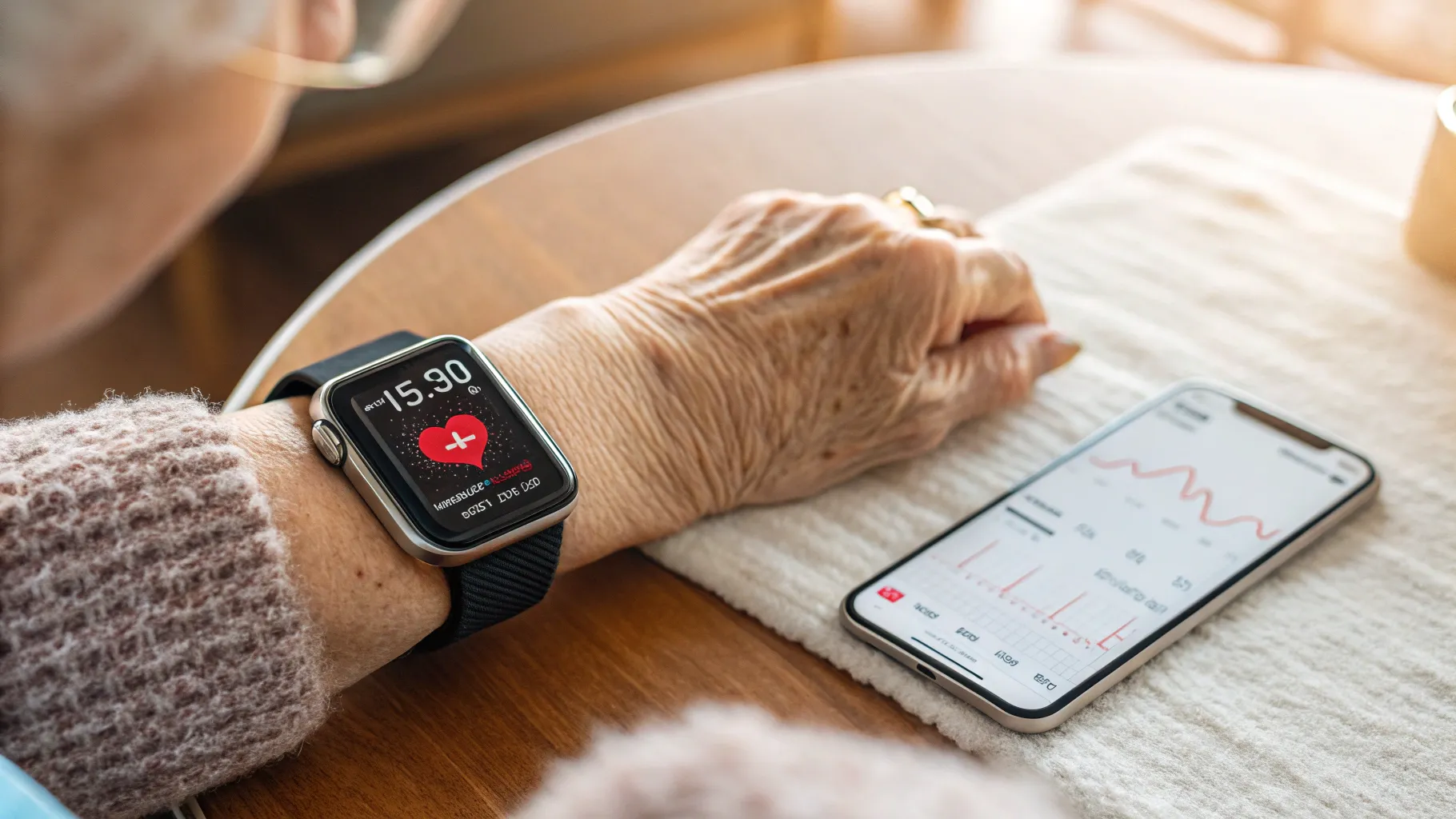
Remote ECG monitoring has revolutionized how healthcare is delivered. These advanced devices gather heart rhythm data in real-time, transmitting this information securely to healthcare providers. This immediate data flow allows clinicians to promptly identify abnormalities, facilitating quicker therapy planning. Recent studies have established that patients utilizing remote monitoring technology demonstrate superior management of arrhythmias, resulting in a nearly 30% reduction in hospitalizations. Such statistics underline the importance of these technologies for seniors grappling with heart conditions.
The Role of Smart Heart Devices in Effective Monitoring
- Smartwatches and Wearable Devices
- Mobile Health Applications
- Advanced Cardiac Monitors
- Telehealth Solutions
Smart heart devices are no longer merely a trend; they are integral to modern life. From smartwatches like the latest Apple Watch series to specialized medical monitoring tools, seniors are now equipped with technology that is both user-friendly and highly effective. For example, the ECG feature available in devices like the Apple Watch has emerged as a pioneering aspect for early arrhythmia detection. Reports suggest that over 15% of users have sought medical advice after receiving alerts via their smartwatches, highlighting their significant role in therapy planning.
In addition, mobile health apps that track heart health provide a personalized approach to managing health. Patients can log symptoms, medications, and vital signs, helping both themselves and their healthcare providers stay well-informed. Such technological integration brings peace of mind to many seniors, alleviating anxiety concerning possible heart disorders. The sheer accessibility and ease of use of these apps bolster patients' confidence in managing their health.
Cost and Coverage Considerations in Cardiac Monitoring
As breakthroughs appear in cardiac arrhythmia monitoring, cost remains a focal point of concern for patients and their providers. The expenses linked with remote ECG monitoring vary widely, influenced by device specifications and any associated subscription services. A basic monitoring unit might be priced around $100; however, comprehensive services could exceed $300 monthly. Thankfully, insurance plans are increasingly acknowledging the significance of remote monitoring and are adapting their coverage policies accordingly; many now include these devices as part of preventive care.
Data from recent surveys shows that insurance coverage for remote monitoring devices has grown by more than 25% in the last year alone. This trend highlights a growing recognition of the benefits these technologies provide, specifically in reducing emergency care costs while enhancing patients’ quality of life. It is advisable for seniors to engage in conversations with their healthcare providers regarding the best viable options for their health requirements and financial situations.
Importance of Follow-Up and Ongoing Care
Securing the right monitoring device is just the first step in managing arrhythmia; ongoing follow-ups are crucial to mitigating any potential risks. Continuous monitoring allows healthcare professionals to analyze trends in heart health, adjust medications appropriately, and provide personalized lifestyle guidance as needed based on the patient's evolving condition.
Telehealth solutions have established themselves as a vital component in enhancing follow-up care. With video consultations, healthcare providers are able to review monitoring data in real time, offering immediate feedback without necessitating in-office visits. This feedback loop has improved connectivity between patients and doctors. Patients can easily share their monitoring data during these telehealth sessions, fostering an environment of active engagement in their own health management. Reports indicate that patient satisfaction with telehealth follow-ups has surged by 40%, especially among seniors confronting mobility challenges.
Identifying Risks Associated with Remote Monitoring
While the conveniences of remote monitoring and smart devices are abundant, it is equally important to acknowledge potential risks. Inaccuracies in data readings can sometimes lead to problems if issues are overlooked or misdiagnosed. This risk is heightened for seniors, who may have numerous comorbidities affecting their heart health. Regular calibration and user training on these devices can significantly reduce such risks, ensuring seniors receive accurate and timely health data.
Furthermore, as cybersecurity becomes increasingly crucial in healthcare, it’s imperative for patients to utilize secure networks and trusted applications to safeguard their sensitive information. With healthcare data breaches on the rise, maintaining awareness and adopting proactive measures will be essential to protect personal health information.
As we navigate through 2025, the framework for cardiac arrhythmia monitoring continues to be shaped by innovation and heightened patient engagement. Seniors are now better equipped with sophisticated tools that enhance their understanding of their cardiac health and foster improved communications with their healthcare providers. The integration of technology in this sector marks a significant advancement toward proactive healthcare. It promises a future where cardiac health management is more efficient, accessible, and tailored to individual needs, ultimately leading to healthier lives for seniors experiencing heart-related issues.
Authored by FreshLifeWire team