Essential Sleep Tips for Older Adults: Your Guide to Better Rest
Facts:
- Over 50% of adults over 65 report sleep issues.
- Consistent sleep schedules are crucial for older adults.
Navigating Sleep Changes: A Comprehensive Guide for Seniors
As we age, our sleep patterns naturally shift, often leading to difficulties falling or staying asleep. This is a common experience, but it doesn't have to be your reality. Understanding the root causes and implementing effective sleep tips for older adults is the first step towards reclaiming restful nights. This guide offers practical sleep help for seniors, addressing everything from environment to lifestyle habits, helping you navigate these changes and enhance your overall well-being.
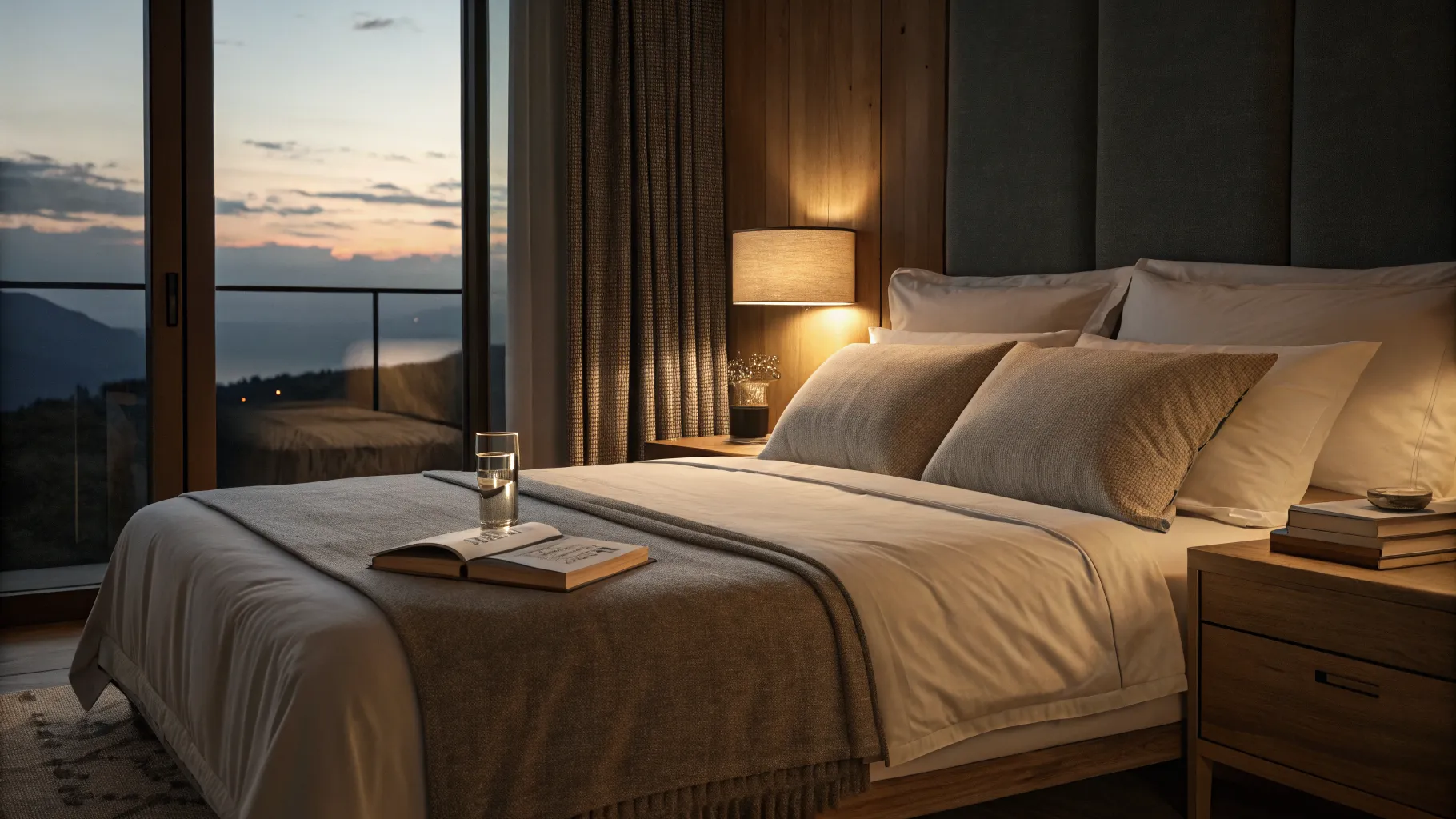
Creating a Sleep-Inducing Environment
Your bedroom should be a sanctuary for rest, not a hub of activity. The environment plays a critical role in signaling to your brain that it's time to wind down. Optimizing your space is one of the most effective ways to learn how to sleep better older adults can implement immediately. This involves controlling light, sound, and temperature to create the perfect conditions for deep, restorative sleep. Even small adjustments can lead to significant improvements in sleep quality.
Keep it Cool, Dark, and Quiet
A cool room temperature, typically between 60-67°F (15-19°C), is ideal for sleeping. Use blackout curtains or an eye mask to block out all light, as even small amounts can disrupt melatonin production. Consider using a white noise machine or earplugs to mask disruptive sounds. These are foundational sleep tips seniors often find make the biggest difference.
Reserve the Bed for Sleep and Intimacy
Avoid working, eating, or watching television in bed. Your brain should associate your bed strictly with rest. This psychological conditioning strengthens the signal that when you get into bed, it's time to sleep. Breaking the habit of using your bed as a multi-purpose space is crucial for tackling senior sleep problems.
Lifestyle Adjustments to Improve Sleep Aging
What you do during the day significantly impacts how you sleep at night. Daily habits, from diet to exercise, can either support or sabotage your efforts for a good night's rest. To truly improve sleep aging, it's essential to adopt a holistic approach that considers your entire 24-hour cycle. Consistent, healthy lifestyle choices are powerful tools for enhancing sleep duration and quality.
Embrace a Consistent Schedule
Go to bed and wake up at the same time every day, even on weekends. This consistency reinforces your body's sleep-wake cycle, also known as the circadian rhythm, making it easier to fall asleep and wake up naturally. This is perhaps the most important piece of sleep help for seniors.
Be Mindful of Diet and Fluids
Avoid large meals, caffeine, and alcohol in the hours leading up to bedtime. Caffeine is a stimulant that can stay in your system for hours. While alcohol might make you feel drowsy initially, it disrupts sleep later in the night. Also, limit your fluid intake right before bed to minimize nighttime awakenings for urination.
Incorporate Daily Physical Activity
Regular moderate exercise, like a brisk walk or swimming, can promote deeper sleep. However, try to avoid strenuous exercise within three hours of your bedtime, as it can be overstimulating. Daily movement is a fantastic, natural way to learn how to sleep better older adults and boost overall health.
Establishing a Relaxing Pre-Sleep Routine
A calming pre-sleep ritual can help ease the transition from wakefulness to sleep. This routine signals to your body and mind that the day is ending and it's time to unwind. Consistency is key. By performing the same set of actions each night, you create a powerful trigger for sleepiness.
- Limit Screen Time: The blue light emitted by phones, tablets, and computers can suppress melatonin production. Turn off all screens at least an hour before bed.
- Relaxation Techniques: Try gentle stretching, meditation, deep breathing exercises, or listening to calming music. These activities can lower your heart rate and quiet a racing mind.
- Take a Warm Bath: A warm bath or shower 90 minutes before bed can help. The subsequent drop in your body temperature after getting out can trigger feelings of sleepiness.
When to Consult a Doctor About Sleep Issues
While many sleep issues can be managed with lifestyle changes, persistent problems may signal an underlying medical condition. If you've diligently tried these sleep tips for older adults for several weeks without improvement, it’s time to seek professional advice. Don't dismiss poor sleep as an inevitable part of aging. Conditions like sleep apnea, restless legs syndrome, or insomnia often require medical diagnosis and treatment. Addressing these issues is vital for your long-term health and well-being, as chronic poor sleep is linked to numerous health problems.
Frequently Asked Questions
Is it normal for sleep patterns to change with age?
Yes, it's quite common. As we age, we tend to spend less time in deep sleep and may wake more frequently during the night. However, persistent and disruptive sleep issues are not a normal part of aging and should be addressed with these sleep tips seniors can use.
How many hours of sleep do older adults need?
Most experts recommend that adults over 65 aim for 7 to 8 hours of sleep per night. Quality is just as important as quantity, so focusing on uninterrupted rest is key to feeling refreshed and is a primary goal to improve sleep aging.
Can my medications be causing senior sleep problems?
Absolutely. Many common medications for conditions like high blood pressure, arthritis, and depression can interfere with sleep. If you suspect your medication is a cause of senior sleep problems, consult your doctor about potential alternatives or timing adjustments. Never stop taking a prescribed medication without medical advice.
References
- National Institute on Aging - A Good Night's Sleep
- Sleep Foundation - Aging and Sleep
- American Academy of Sleep Medicine - Healthy Sleep Habits for Older Adults
Authored by FreshLifeWire team