Sleep Apnea Symptoms: Recognize and Address Early
Unraveling Sleep Apnea: 4 Signs You Might Have Sleep Apnea
Sleep apnea is more than just a pesky snore—it’s a chronic disorder that affects millions globally, impacting not only your nightly rest but your overall health and longevity. Recognizing the early signs can lead to timely interventions, ensuring better sleep, rejuvenated energy, and improved mental focus. Here, we delve into prominent indicators that might suggest you suffer from obstructive sleep apnea (OSA) and what steps you can take to address them.
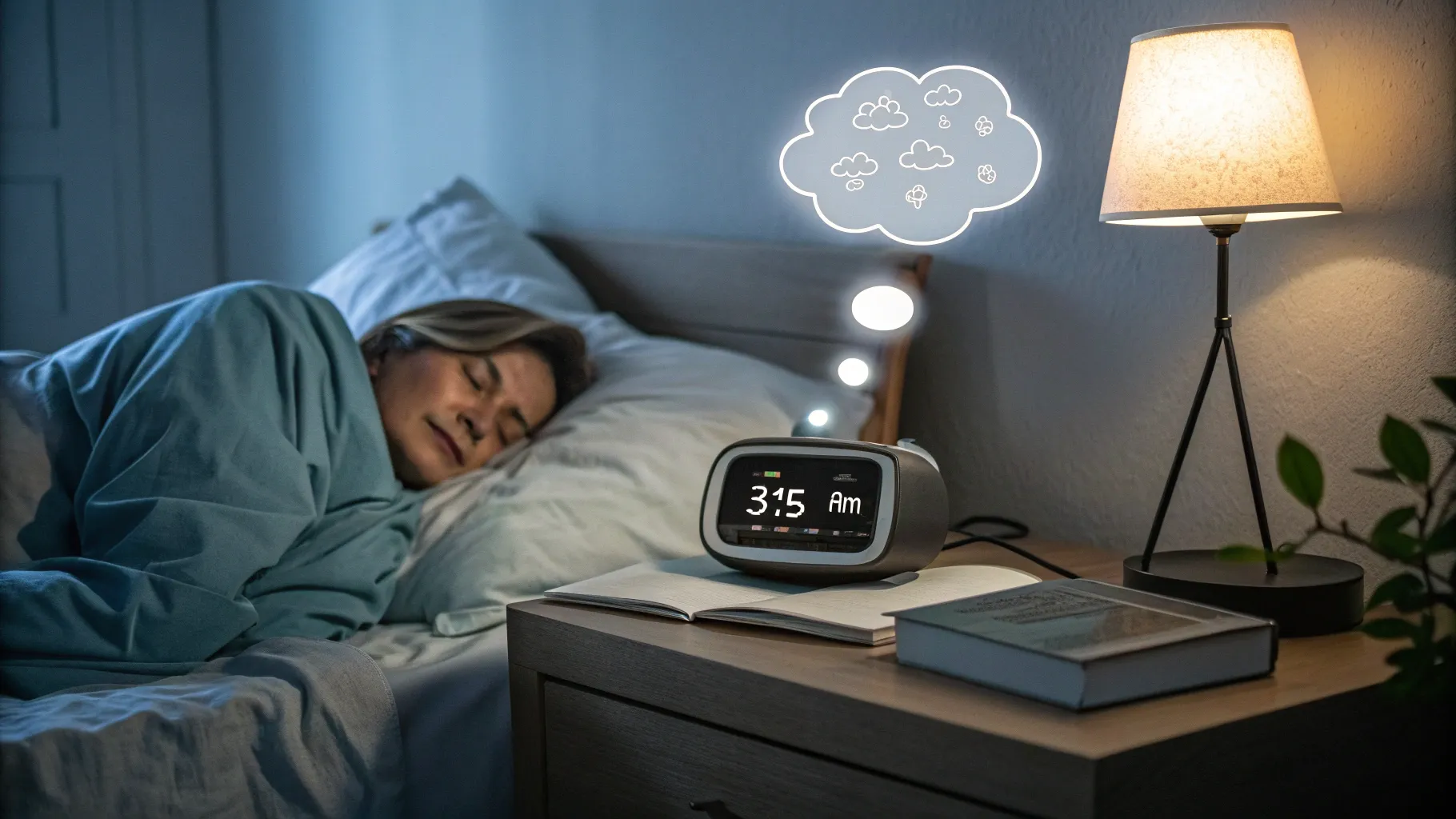
Persistent Snoring: A Telltale Sign
Snoring on its own isn't uncommon. But if it is nightly, extremely loud, and accompanied by gasping or choking sounds, it’s often more than just a benign quirk—it can be indicative of sleep apnea. According to the latest research by the American Sleep Association from 2025, approximately 70% of individuals over the age of 40 who experience chronic snoring have some form of sleep apnea.
If your partner nudges you awake because you sound like a roaring train, take it as a cue to explore potential underlying issues. Identifying sleep apnea early can stave off long-term health challenges, offering a path to peaceful nights and revitalized days.
Fighting Through Daytime Fatigue
Are you constantly feeling exhausted, regardless of how long you sleep? This symptom isn't just indicative of a busy schedule; it’s also a red flag for sleep apnea. With apnea, your sleep cycles are disrupted, preventing your progression into restorative sleep phases. This prevents you from unwrapping the mental and physical gifts that deep sleep offers. 💤
A compelling study posted in the Sleep Health Journal last month showed that more than 75% of participants grappling with unexplained fatigue were subsequently diagnosed with sleep apnea. In today's fast-paced world, perpetual tiredness shouldn't be accepted as the norm. Prioritizing good sleep quality can transform daytime alertness and enhance your quality of life.
Nightly Breathing Pauses
It’s often those around you who notice one of the clearest signs of sleep apnea—breathing pauses during sleep. These brief interruptions, sometimes multiple times an hour, often lead to frequent awakenings. When your brain senses the danger of low oxygen levels, you wake up momentarily, disrupting the sleep process.
Innovations like modern wearables have made it easier to track such occurrences. Devices like Fitbits and Apple Watches offer users an opportunity to visualize and understand their sleep patterns, encouraging a proactive approach to sleep health. If you suspect something is amiss, consulting a healthcare provider can be the first step in a timely diagnosis and treatment.
The Mystery of Morning Headaches
Waking up with a headache is nobody's idea of a good morning. If you're finding yourself battling regular morning headaches, consider apnea a potential suspect. When breathing is interrupted during sleep, it affects the amount of oxygen your brain receives, sometimes resulting in constricted blood vessels and the pain of morning headaches.
The New England Journal of Medicine recently highlighted CPAP (Continuous Positive Airway Pressure) therapy’s efficacy, noting that patients using this treatment reported reduced frequency and intensity of morning headaches, helping them jumpstart their day with clarity and ease.
Recognizing the Risk Factors
Although sleep apnea can affect anyone, identifying specific risk parameters can be instrumental in early diagnosis. Broadening your understanding of these can lead to preventive measures and meaningful lifestyle shifts. According to health data up to 2025, factors contributing to OSA include:
- Obesity: Excess weight can constrict airways, increasing apnea likelihood.
- Neck Circumference: A larger neck size may obstruct airway passages.
- Smoking: This habit inflames your airway and raises sleep apnea risks.
- Family History: Genetics playing a role means others in your family might also be at risk.
By staying aware of these risk factors, individuals can remain vigilant and seek timely clinical appointments to evaluate their sleep patterns.
Navigating Towards Better Sleep Health
Sleep apnea might typically go unnoticed, but its impact on your waking life can be profound. By promoting awareness and encouraging diagnoses, individuals are empowered to take control over their sleep quality and by extension, their daily energy and vitality. If these symptoms sound familiar, consulting a healthcare expert is not just recommendable—it's essential. Arm yourself with knowledge and take affirmative steps toward achieving restful sleep and an energized, fulfilling life.
Authored by FreshLifeWire team