Simple Food Labeling Systems for Home Refrigerators: An Informative Guide to Food Safety Systems
Facts:
- Proper food labeling can reduce household food waste by up to 40%.
- The use of color-coded systems is a growing trend for families and seniors.
Revolutionizing Your Refrigerator: A Guide to Simple Labeling
Keeping a home refrigerator organized can feel like a constant battle against forgotten leftovers and mystery containers. This chaos not only leads to significant food waste but can also pose serious health risks. Implementing a simple food labeling system is a transformative step towards a safer, more efficient kitchen. This informative guide to food safety systems will explore various methods, from straightforward expiration date labels for fridge storage to more dynamic options like color coding and erasable markers. By understanding refrigeration tracking markers, you can take full control of your food inventory, ensuring everything is fresh, safe to eat, and easy to find, ultimately saving you time and money.
Why a Systematic Approach to Food Labeling is Essential
Adopting a labeling system for your refrigerator goes far beyond mere tidiness. It is a cornerstone of effective home food management and safety. The primary benefit is a drastic reduction in food waste. When you can clearly see when an item was stored and when it expires, you are far more likely to use it in time. This is where effective expiration date labels for fridge use become critical. Furthermore, a clear system enhances food safety by preventing the consumption of spoiled items. This is particularly important for households with vulnerable individuals, such as young children or the elderly. An organized refrigerator also streamlines meal preparation. Knowing exactly what you have on hand makes planning meals and writing shopping lists quicker and more accurate. This level of organization reduces daily stress and empowers you to make healthier eating choices by prioritizing items that are nearing their use-by date.
Exploring Different Types of Refrigerator Labeling Systems
There is no one-size-fits-all solution for refrigerator organization; the best system is one that you will consistently use. The market offers a wide array of options tailored to different needs and preferences. Understanding these choices is the first step in creating your own efficient system. Below, we delve into some of the most popular and effective methods, from simple stickers to more technologically advanced solutions. Each method offers unique benefits, whether it's the visual immediacy of color coded food storage stickers or the reusability of erasable markers.
The Visual Power of Color Coded Food Storage Stickers
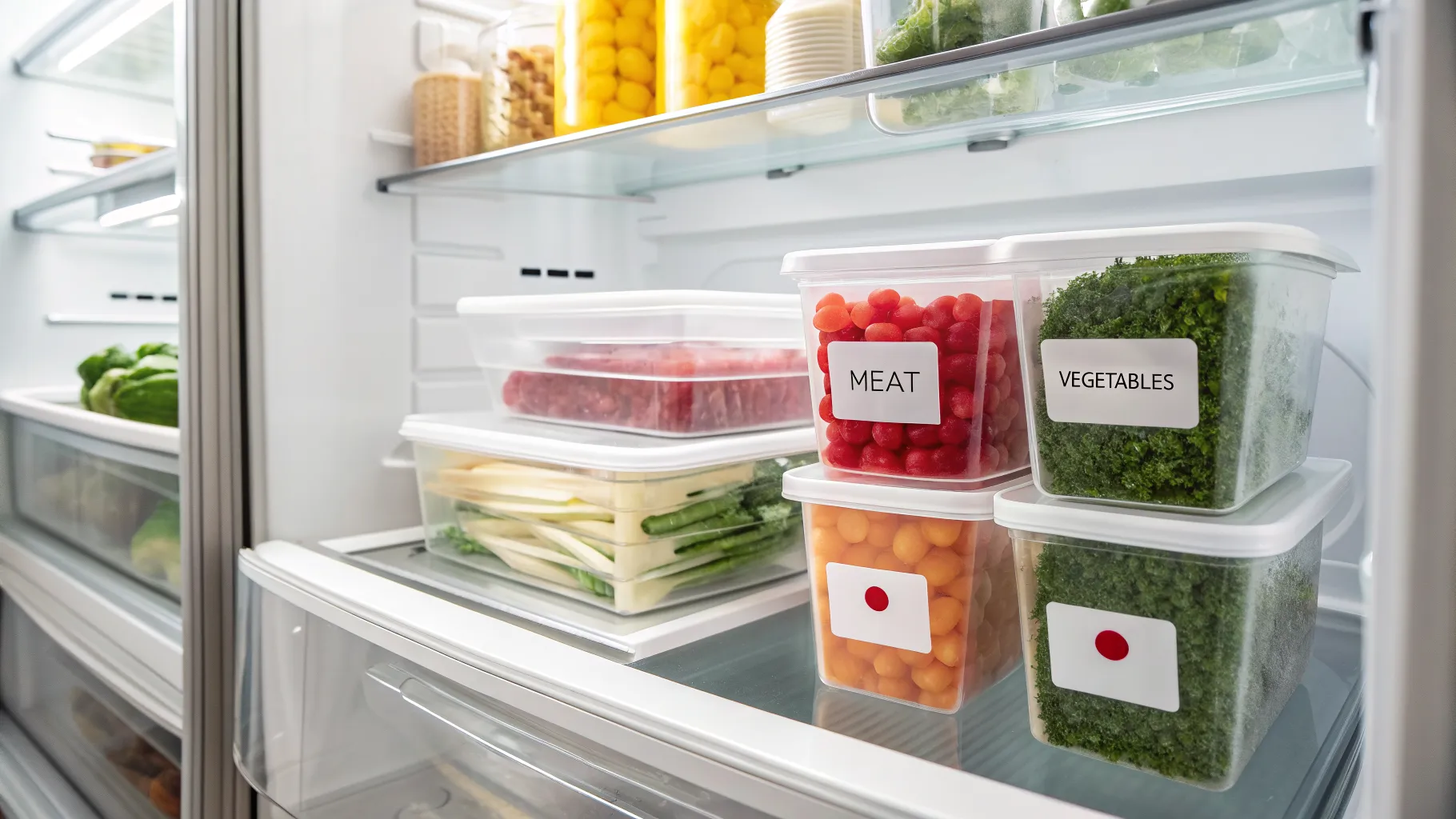
Color coding is an intuitive and highly effective method for quickly identifying food categories. By assigning a specific color to different types of food—for instance, red for raw meat, green for vegetables, blue for dairy, and yellow for leftovers—you can assess your inventory at a glance. This system is excellent for preventing cross-contamination, as it helps keep raw meats separate from ready-to-eat foods. Using color coded food storage stickers makes it easy for every member of the household, including children, to understand where things belong and what is safe to eat. These stickers often come with space to write dates, combining the benefits of visual organization with crucial temporal information.
The Flexibility of Erasable Food Bin Markers Seniors Appreciate
For those who prefer a reusable and adaptable solution, erasable labels are an excellent choice. These typically come as adhesive chalkboard or whiteboard labels, or as markers that write directly on glass or plastic containers and wipe off easily with a damp cloth. The key advantage is sustainability and cost-effectiveness, as you don't need to constantly buy new labels. This system is especially beneficial for items you prepare regularly, like weekly batches of soup or meal prep containers. The simplicity of erasable food bin markers seniors can easily manage makes this a popular option for older adults who want a no-fuss system for tracking their meals and leftovers without dealing with small, peeling stickers.
Your Step-by-Step Informative Guide to Food Safety Systems
Implementing a new organization system can seem daunting, but breaking it down into manageable steps ensures a smooth transition. A successful labeling strategy is about more than just applying stickers; it's about creating a sustainable habit. Follow this guide to establish a robust system that enhances safety and reduces waste. This is a comprehensive informative guide to food safety systems that can be adapted to any household size or lifestyle, focusing on practical application and long-term success.
- Declutter and Clean: Start with a clean slate. Empty your refrigerator completely, dispose of any expired or spoiled items, and give all shelves and drawers a thorough cleaning. This is a crucial first step before you begin organizing.
- Choose Your System: Based on the options discussed, select the labeling method that best fits your lifestyle. Will it be color coded food storage stickers for quick identification, or the reusability of erasable food bin markers seniors might prefer? You can even combine methods.
- Establish Clear Rules: Decide what information is essential for your labels. At a minimum, include the name of the item and the date it was opened or prepared. For leftovers, adding a 'use-by' date is highly recommended. Consistency is key.
- Label Everything Immediately: Make it a habit to label items as soon as you bring them home from the store or after preparing a meal. Placing your labels and markers in a convenient spot near the refrigerator will help reinforce this routine.
- Practice FIFO (First-In, First-Out): Organize your refrigerator so that older items are at the front and newer items are placed behind them. This ensures you use up food before it expires. Your labeling system will make identifying the oldest items effortless.
Understanding Refrigeration Tracking Markers for Peak Freshness
Effective food labeling is about communicating crucial information clearly and concisely. To get the most out of your system, it's important to understand what makes a good label. A truly useful marker provides more than just a name; it's a tool for tracking the lifecycle of your food. By understanding refrigeration tracking markers, you can ensure that every bit of information contributes to better food safety and management. Key details to include are the 'date prepared' or 'date opened', and a projected 'use-by' date. For freezer items, the date of freezing is paramount. Using waterproof and freezer-safe expiration date labels for fridge and freezer ensures that this vital information doesn't smudge or fall off, maintaining the integrity of your entire food safety system.
Common Pitfalls to Avoid in Your Food Labeling Journey
Even with the best intentions, a food labeling system can fail if common mistakes are made. One of the biggest errors is inconsistency. If only some items are labeled, or the system is not used by everyone in the household, its effectiveness is severely diminished. Another pitfall is using vague descriptions. A label that just says 'soup' isn't as helpful as one that says 'Lentil Soup - May 15'. Similarly, make sure your handwriting is legible. If you can't read the date, the label is useless. Also, avoid using labels that are difficult to remove or leave a sticky residue, as this can deter you from using the system altogether. Choosing the right tools, like good quality erasable food bin markers seniors can easily read, is half the battle won.
Frequently Asked Questions
What is the most important information to include on expiration date labels for fridge use?
The two most critical pieces of information are the contents of the container and the date. For leftovers or prepared meals, this should be the date of preparation. For packaged goods, it should be the date the package was opened. Adding a 'use by' date, typically 3-4 days for leftovers, is also highly recommended for optimal food safety.
Are color coded food storage stickers a good system for a family with kids?
Absolutely. Color coded food storage stickers provide a simple, visual cue that even young children can understand. You can teach them that green means 'vegetables' and red means 'do not touch' (for raw meat), which helps instill good food safety habits from an early age and makes it easier for everyone to find snacks or help put away groceries.
How can I find erasable food bin markers seniors can use without difficulty?
Look for markers with a bold, high-contrast tip, such as black or dark blue, to ensure legibility. Also, consider labels with a large writing surface. The mechanism for erasing should be simple, such as wiping with a damp cloth, rather than requiring special chemicals. Many brands design products with ergonomic grips, which can also be beneficial.
References
- Food Safety and Inspection Service (FSIS) Guidelines on Food Storage
- Journal of Home Economics & Food Management
- The National Center for Home Food Preservation
- Consumer Reports on Kitchen Organization
Authored by FreshLifeWire team