Signs Your Cat May Be Depressed and How to Help
Signs That Your Cat Has Depression
Just like humans, cats can experience various emotional and psychological challenges. One of the most concerning issues seen in our feline friends is depression, which can significantly affect their overall wellbeing. Understanding the cat depression signs is essential for any cat owner to ensure their pet remains healthy and happy.
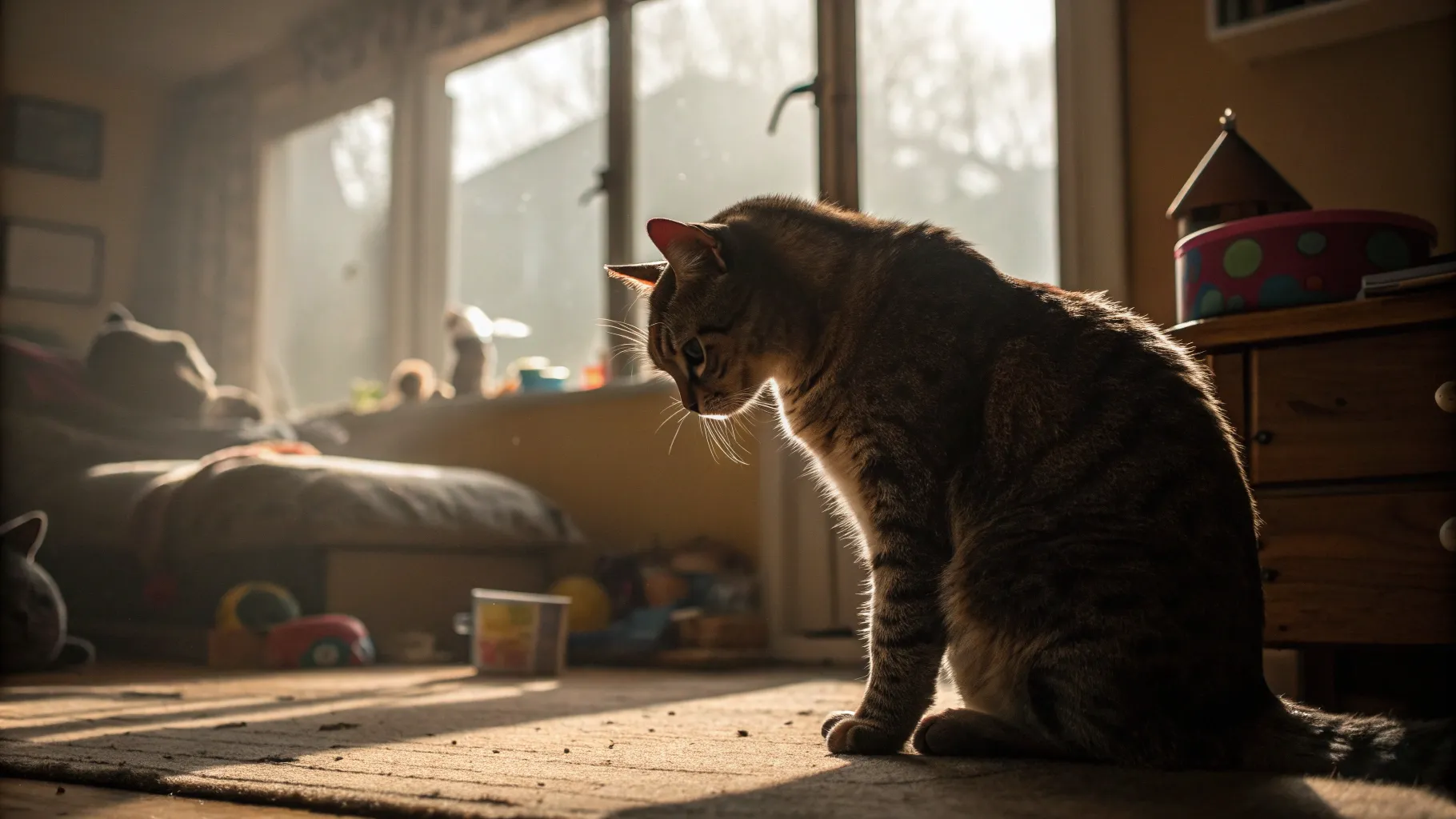
Recognizing Feline Mood Changes
Being in tune with your cat's behavior is critical. Felines are known for their unique personalities, and any noticeable change can signal something is wrong. Many cat owners have reported shifts in their pet's mood after stressful events such as moving to a new home, the introduction of a new pet, or changes within the family environment.
- Loss of appetite: A sudden drop in your cat’s interest in food can be alarming. Cats naturally have appetites that might fluctuate, but a significant and prolonged loss of appetite can indicate depression.
- Lethargy: If your cat is less active than usual, often sleeping throughout the day, or appears uninterested in play, these may be red flags of depression.
- Behavioral changes: Pay attention to any major changes in your cat's behaviors, such as increased hiding, aggression, or excessive vocalization. Such shifts often indicate emotional distress.
Excessive Sleeping and Lethargy in Cats
Cats are known for their love of sleep, typically snoozing between 12 to 16 hours a day. However, if your cat is sleeping excessively – beyond their usual pattern – this could be a sign of depression. According to a recent survey conducted among pet owners, more than 50% reported noticing their cat sleeping significantly more when depressed. This excessive sleeping can also lead to its own set of health issues, including obesity or muscle atrophy.
Moreover, lethargy often translates into a lack of engagement. Your previously playful and curious cat may no longer chase after toys or may stare blankly outside rather than explore. This passive behavior can be distressing for both you and your feline who is often so alive with energy.
The Importance of Routine and Environmental Stability
A stable routine is crucial for cats. They thrive on predictability, so any significant changes can disrupt their emotional balance. For example, if you recently brought home a new baby or pet, this can unsettle your cat. Studies show that around 40% of cats exhibit signs of stress after introducing a new pet. Keeping their environment calm, with scheduled feeding and playtimes, can significantly aid in reducing any feelings of anxiety.
If you suspect your cat is feeling depressed, be mindful of any major alterations in the household. Cats are sensitive creatures, and even small changes can impact their mood. Try to create a comforting space where your cat can seek solace, with familiar toys and blankets that remind them of happier times.
Seeking Veterinary Guidance
When experiencing signs of depression, the first step is to consult a veterinarian. They can rule out any underlying medical conditions that may be contributing to your cat’s behavioral changes. For instance, dental issues or gastrointestinal problems can cause discomfort, leading to symptoms similar to depression.
In a recent study published earlier this year, it has been noted that about 15% of cats suffering from medical issues display behavioral signs typical of depression. Thus, addressing any potential health issues is paramount before implementing behavioral solutions.
If health issues are ruled out, your vet may recommend behavioral therapies, enriched environments, or treatment options to help alleviate your cat’s mood changes. Simple interventions like introducing new toys or spending extra time playing can boost your cat’s spirits.
Building a Strong Bond to Mitigate Depression
Your relationship with your cat is essential for their emotional health. Frequent interaction and engagement can instill a sense of security in your feline companion. Regular petting, playtime, and even just talking to your cat can improve their mood significantly. In fact, a survey of cat behavioral studies found that cats who received ample attention and affection were 30% less likely to show signs of depression.
Moreover, high-quality interactive toys can offer a mental challenge that keeps their instincts sharp and provides necessary stimulation. Consider investing in puzzle feeders or toys that require them to think and move to obtain treats. Keeping their environment stimulating is crucial; cats need mental and physical exercise just like humans do!
Lastly, if your cat is showing symptoms of depression, keep a daily log of their behaviors to share with your vet. This will help them analyze patterns over time and offer the best advice for managing your cat's mental health.
Remember, it’s crucial to keep a close eye on your furry friend. Recognizing cat depression signs and taking action can lead to a happier, healthier life for your pet. The sooner you observe these signs and seek guidance, the better you can help your feline overcome their emotional hurdles.
Authored by FreshLifeWire team