Key Signs of a Leaky Heart Valve to Be Aware Of
Facts:
- A leaky heart valve can affect any of the four valves in the human heart.
- Growing awareness of the signs of heart valve disease is leading to earlier diagnosis and treatment.
Understanding the Telltale Signs of Heart Valve Dysfunction
Recognizing the early warnings your body gives you is paramount for maintaining cardiovascular health. A leaky heart valve, medically known as valve regurgitation, occurs when a valve doesn't close properly, allowing blood to flow backward into the heart. This condition can strain your heart and lead to serious complications if left untreated. Many people dismiss the initial leaky heart valve symptoms as normal signs of aging, but understanding these specific signals is the first step toward seeking timely medical evaluation. Being informed about the signs of heart valve disease can empower you to take control of your health and discuss concerns effectively with your healthcare provider.
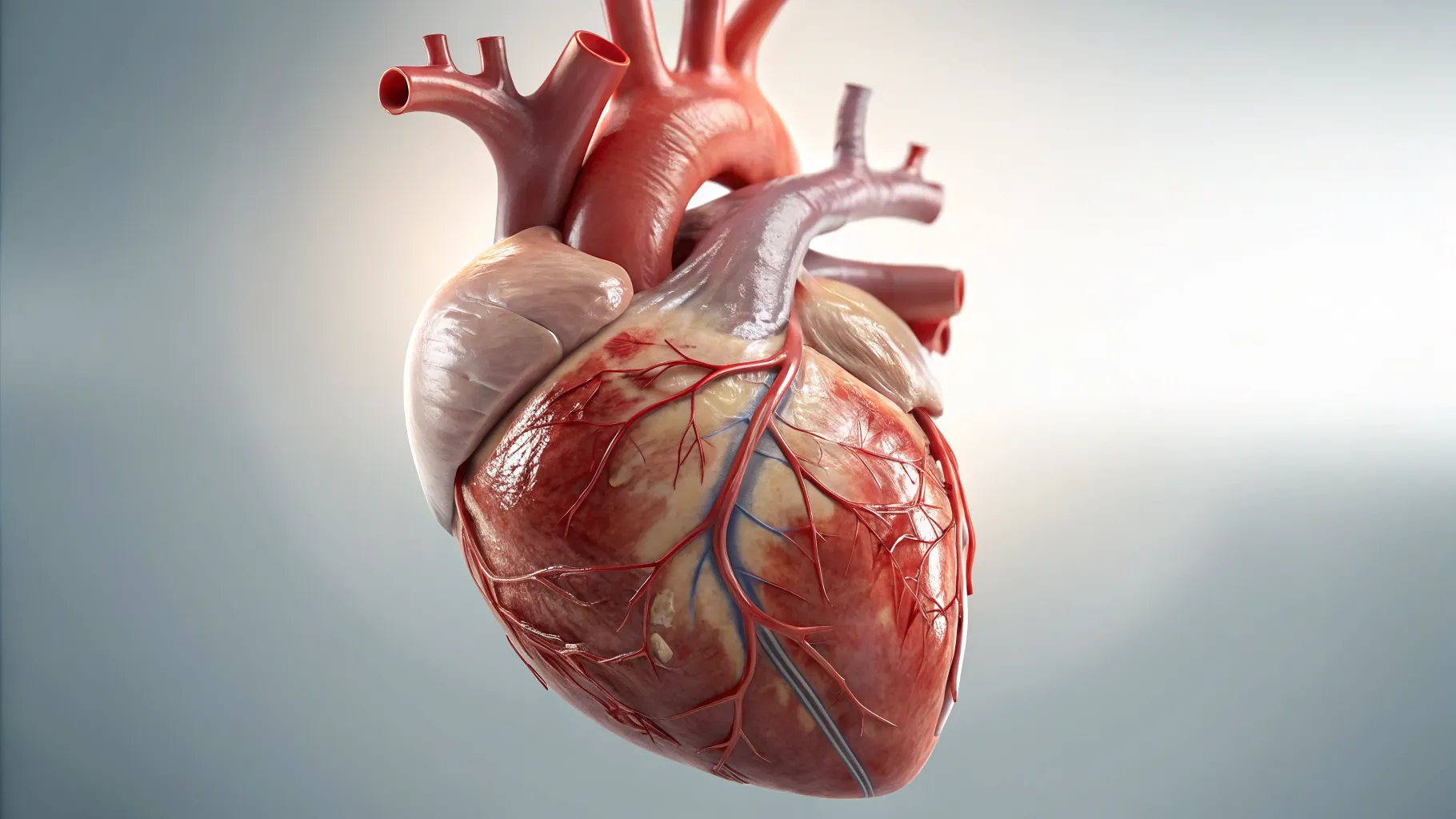
Common Leaky Heart Valve Symptoms You Must Not Ignore
The symptoms of a leaky valve can range from non-existent to severe, often developing gradually over many years. It's crucial to pay attention to any new or worsening physical changes. These are some of the most frequently reported leaky heart valve symptoms.
Shortness of Breath (Dyspnea)
One of the hallmark signs of heart valve disease is difficulty breathing, especially during physical activity or when lying down. This occurs because the backward blood flow increases pressure within the heart and lungs, leading to fluid congestion in the lung tissues. You might find yourself needing to prop up on pillows to sleep comfortably or getting winded from simple tasks like climbing stairs.
Chronic Fatigue and Weakness
When your heart has to work harder to pump blood effectively, your body's muscles and organs may not receive the oxygen-rich blood they need. This inefficiency leads to a persistent feeling of tiredness and a general lack of energy that isn't relieved by rest. This profound fatigue is a significant symptom among the many signs of heart valve disease.
Heart Palpitations or an Irregular Heartbeat
A sensation of a rapid, fluttering, or pounding heartbeat is another common complaint. These palpitations can be caused by the heart chambers stretching and enlarging to compensate for the leaky valve, which can disrupt the heart's normal electrical rhythm. This is often linked to conditions like mitral valve regurgitation.
Swelling in the Ankles, Feet, or Abdomen (Edema)
As the heart's pumping function weakens, it can lead to fluid buildup in the body. This is often most noticeable in the lower extremities due to gravity, causing swelling. In more advanced cases, fluid can also accumulate in the abdomen. This is one of the more visible leaky heart valve symptoms.
Understanding Mitral Valve Regurgitation Specifically
While any valve can leak, mitral valve regurgitation is one of the most common forms of this condition. It involves the mitral valve, located between the left atrium and left ventricle, failing to close tightly. This allows blood to leak back into the left atrium when the ventricle contracts. The causes of heart murmur are often linked directly to the turbulent blood flow created by such a leak. Over time, the extra volume of blood can cause the left atrium and ventricle to enlarge, leading to more severe symptoms and potentially heart failure. Recognizing the specific signs of heart valve disease associated with the mitral valve is critical for targeted treatment.
The Primary Causes of Heart Murmur and Leaky Valves
A heart murmur itself is just a sound, but it's often the first clue that a valve problem exists. Understanding the underlying causes of heart murmur and valve disease is essential. These can include congenital heart defects present from birth, age-related degeneration where calcium deposits stiffen the valve flaps, infections like endocarditis that damage heart tissue, or damage resulting from a heart attack or untreated high blood pressure. Rheumatic fever, though less common now, has historically been a major cause of valve damage. Investigating these causes helps determine the appropriate treatments for a leaky heart valve.
Effective Treatments for a Leaky Heart Valve
Once diagnosed, there are several effective treatments for leaky heart valve, ranging from conservative management to surgical intervention. The best approach depends on the severity of the leak, the symptoms, and the patient's overall health. The goal of treatment is to reduce symptoms, prevent complications, and improve quality of life.
- Medication and Lifestyle Changes: For mild cases, doctors may recommend medications to manage symptoms, such as diuretics to reduce fluid retention or blood pressure medications to ease the heart's workload. A heart-healthy diet and regular, moderate exercise are also crucial.
- Surgical Valve Repair: Whenever possible, surgeons prefer to repair the patient's own valve. This procedure preserves heart function and reduces the need for long-term blood-thinning medication. It is a primary surgical option among the treatments for a leaky heart valve.
- Surgical Valve Replacement: If a valve is too damaged to be repaired, it may be replaced with either a mechanical valve (durable but requires lifelong blood thinners) or a biological tissue valve (from a pig, cow, or human donor, which may need replacement over time).
- Transcatheter Procedures: For patients who are too high-risk for open-heart surgery, minimally invasive procedures like the MitraClip for mitral valve regurgitation can repair the valve using a catheter inserted through a leg vein.
Frequently Asked Questions
What are the first signs of heart valve disease?
The earliest signs of heart valve disease are often subtle and can include unusual fatigue, shortness of breath during exertion, or a newly discovered heart murmur during a routine check-up. As the condition progresses, more noticeable leaky heart valve symptoms like heart palpitations or swelling in the ankles may appear.
Can a leaky heart valve be caused by stress?
While chronic stress can contribute to conditions like high blood pressure that strain the heart, it is not a direct cause of a leaky heart valve. The primary causes are structural issues with the valve itself, such as degeneration, congenital defects, or damage from infection. Managing stress is important for overall cardiovascular health but does not directly address the mechanical problem of the valve.
What are the common treatments for a leaky heart valve?
The treatments for leaky heart valve vary based on severity. They range from watchful waiting and medication for mild cases to surgical options for more severe regurgitation. The main surgical interventions are valve repair, which is preferred, or valve replacement with a mechanical or biological valve. Minimally invasive catheter-based procedures are also becoming more common.
References
- American Heart Association: Valvular Heart Disease Information
- National Heart, Lung, and Blood Institute (NHLBI): Heart Valve Disease
- Mayo Clinic: Heart Valve Disease Diagnosis and Treatment
- Cleveland Clinic: Mitral Valve Regurgitation
Authored by FreshLifeWire team