Signs of Intestinal Worms and Steps to Take for Relief
Signs You Might Have Intestinal Worms
Intestinal worms, also known as parasitic worms, are a health issue affecting millions across the globe. As of now, around 1.5 billion people are infected with soil-transmitted helminths alone, according to the latest data from the World Health Organization. Understanding how to identify the signs of intestinal worms is crucial for timely intervention and treatment. In this article, we explore the common indicators of intestinal worm infections and offer advice on what steps to take if you suspect you have one.
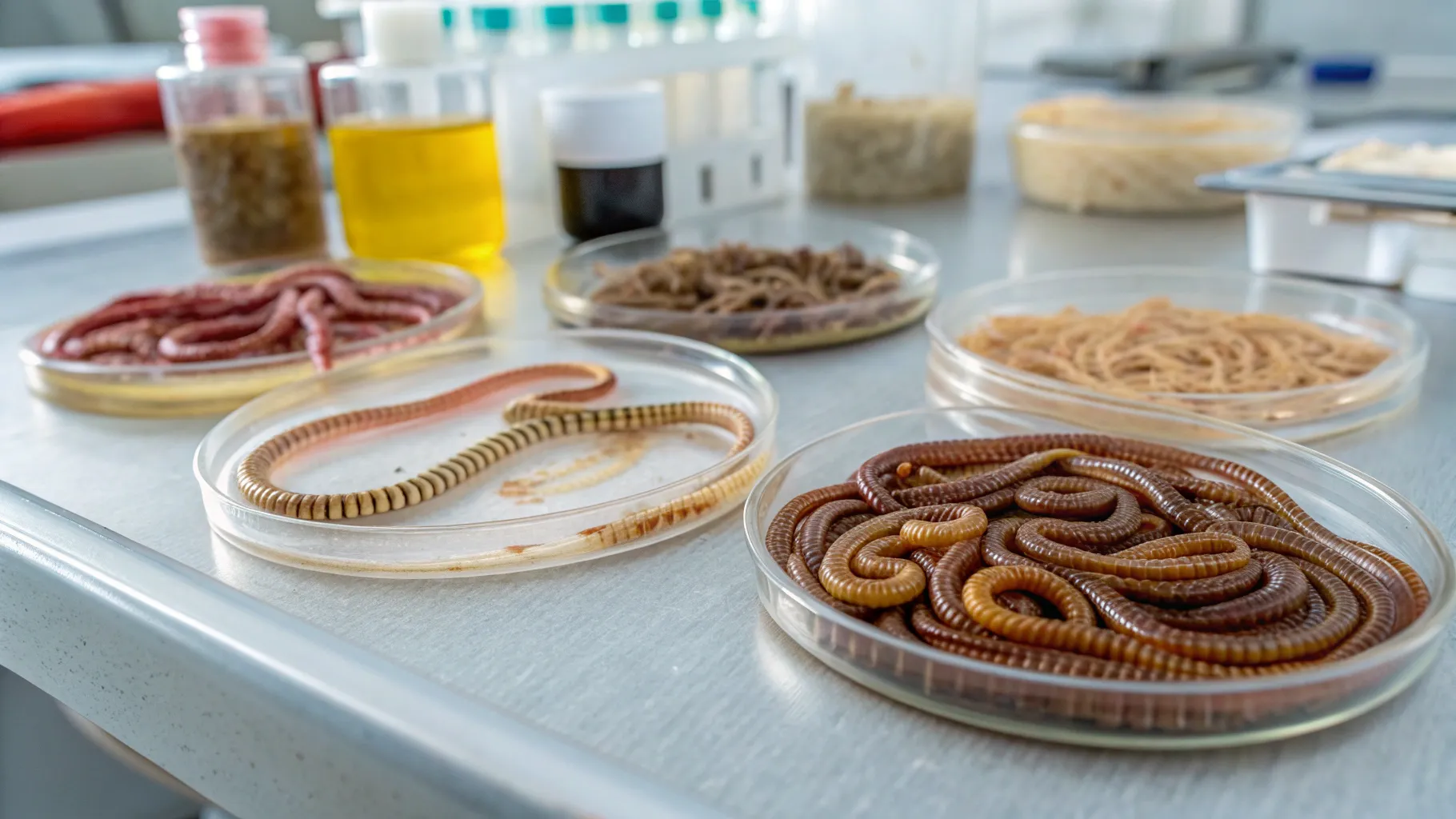
Identifying Common Symptoms of Intestinal Worm Infections
When it comes to intestinal worm infections, the symptoms can sometimes resemble other illnesses. If you notice any of the following signs, you may want to consult a medical professional:
- Abdominal Pain: Many individuals report cramping or dull ache in their stomachs. This discomfort may occur randomly or after meals, making diagnosis tricky.
- Nausea and Vomiting: Regular feelings of nausea or instances of vomiting without a clear cause can signal the presence of worms. The body's rejection of the toxins produced by these parasites often leads to such symptoms.
- Diarrhea: You might experience frequent loose stools or a marked shift in your bowel habits if infected. In severe cases, parasitic infections can escalate to diarrhea that causes dehydration.
- Weight Loss: Unaccounted-for weight loss is alarming. As parasites consume the nutrients from your diet, maintaining a healthy weight becomes increasingly difficult, leading to potential malnutrition.
- Fatigue: Struggling with persistent tiredness or lethargy can be a symptom of many health challenges, yet in concert with other indicators, it might point to a parasitic infection debilitating your energy levels.
- Itchy Bottom: Particularly common among children, an itchy sensation around the anus often indicates pinworms, which can cause considerable irritation and affect sleep quality.
These symptoms can be indicative of different types of intestinal worms. For example, hookworms are known to lead to anemia, while tapeworms may show physical segments in stool. Awareness of the specific signs related to different worms can guide your discussions with healthcare providers.
Steps to Take If You Suspect an Infection
If you recognize several of the symptoms described above, taking swift action is essential. Here’s what you should do next:
1. Seek Medical Attention
The first step is consulting with a healthcare professional. A thorough examination and specific tests, such as stool sample analyses, can confirm the presence of intestinal worms. Self-diagnosing may lead to incorrect treatment and worsen your condition.
2. Maintain Good Hygiene
While awaiting a medical evaluation, practicing good hygiene will help prevent the potential spread of any infection. Here are some essential hygiene practices to adopt:
- Regular Hand Washing: Always wash your hands with soap after using the restroom and before meals.
- Avoid Raw Foods: Steer clear of raw or undercooked meat, as many worms enter our bodies through contaminated food.
- Keep Fingernails Short and Clean: This is especially important for children, who might put their fingers in their mouths after playing.
- Thoroughly Wash Produce: Ensure that all fruits and vegetables are properly cleaned before consumption to eliminate any potential contaminants.
- Drink Clean Water: It is crucial to drink from safe sources; avoid unclean water that may harbor parasites.
3. Follow Medical Advice
Once diagnosed, your healthcare professional may prescribe deworming medications that are generally effective in eradicating the infection. Common medications include albendazole, mebendazole, and praziquantel. Adhering to the prescribed dosage is critical; stopping the treatment prematurely can lead to re-infection or complications.
4. Monitor Symptoms and Schedule Follow-ups
Post-treatment, keeping an eye on your symptoms is vital. While some signs may take time to resolve, any persistent issues should lead you back to your healthcare provider for a follow-up. They may recommend additional tests to check for complications or reinfections.
5. Prevent Future Infections
Preventing intestinal worm infections is always preferable to treatment. Implementing the following strategies can significantly minimize your risk:
- Regular Pet Checkups: Animals such as dogs and cats can harbor worms, so ensure they are regularly checked for parasites.
- Promote Good Sanitation: The environment plays a critical role in the transmission of intestinal worms; maintaining cleanliness in your home is necessary.
- Community Awareness: Raising community awareness about intestinal worms can help foster healthier practices and limit the spread of infections.
As we engage in discussions surrounding public health in 2025, the need for effective education on intestinal worms continues to be crucial in reducing infection rates. Awareness, along with understanding the symptoms, empowers individuals to seek timely assistance, ultimately leading to improved health outcomes.
While having intestinal worms can be distressing, prompt action and good hygiene practices play a significant role in managing and preventing infections. If you notice any signs of intestinal worms, prioritize your health by consulting a medical professional immediately. Taking proactive steps will help ensure your well-being and quality of life, steering clear of the discomfort these parasites can cause.
Authored by FreshLifeWire team