Seniors Swimming Lessons: Your Ultimate Guide to Aquatic Fitness
Facts:
- Water supports up to 90% of your body weight.
- Aquatic fitness is a top growing trend for active seniors.
Why Water is the Perfect Fitness Environment for Seniors
As we age, finding an exercise routine that is both effective and gentle on the body becomes paramount. This is where the unique properties of water truly shine. The buoyancy of water creates a low-impact environment, drastically reducing stress on joints, bones, and muscles that can make land-based exercises challenging or painful. This makes seniors swimming lessons an ideal choice for individuals managing arthritis, osteoporosis, or general joint stiffness. Furthermore, the water's natural resistance provides a comprehensive, full-body workout that improves cardiovascular health, builds muscle tone, and enhances flexibility without the need for heavy weights. Engaging in senior swim programs is not just about exercise; it's about embracing a supportive and safe medium for lifelong fitness and mobility.
The Comprehensive Health Benefits of Seniors Swimming Lessons
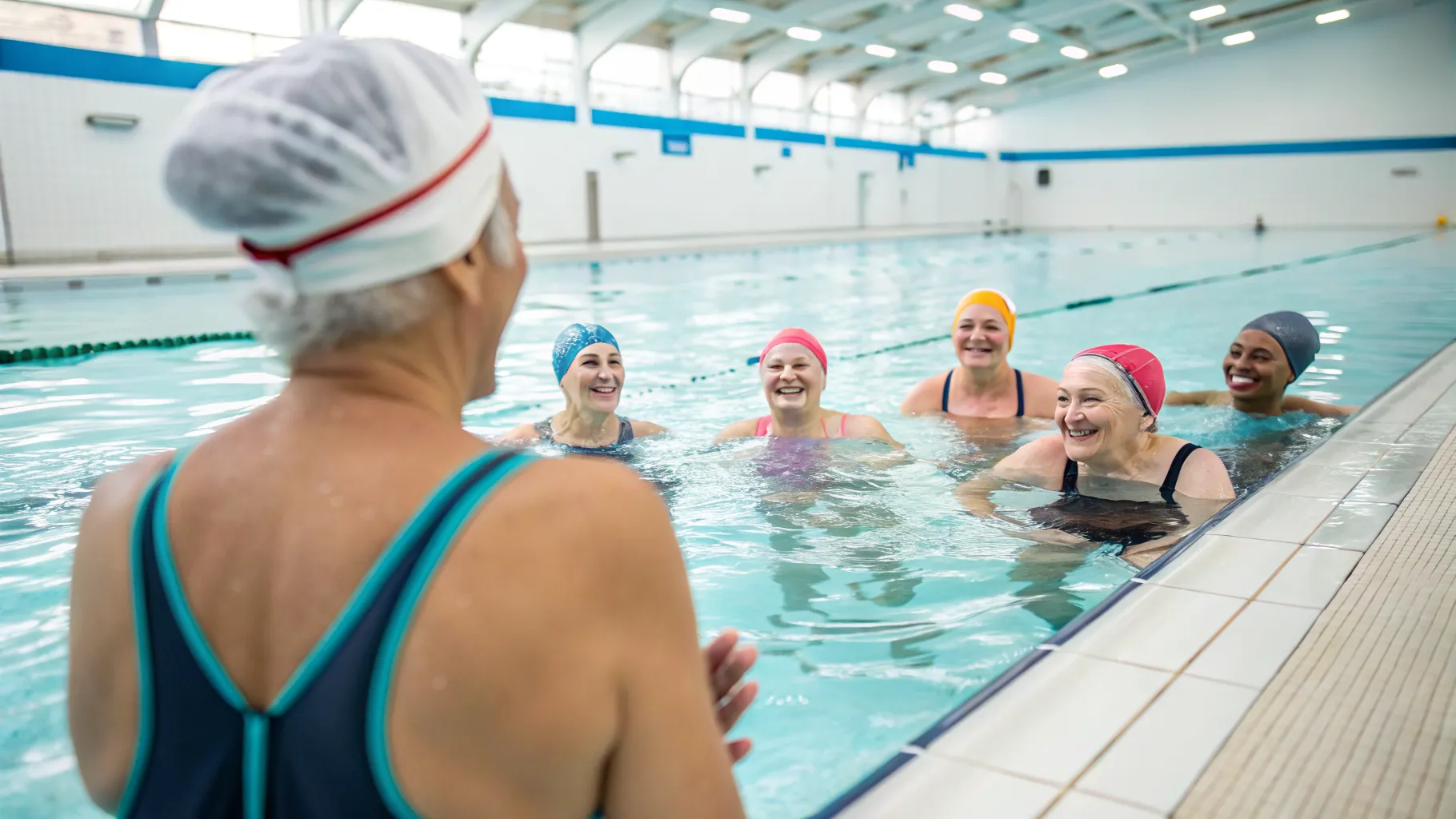
Participating in regular swimming classes for seniors offers a vast array of physical and mental health benefits. On the physical side, the constant resistance of the water helps to build lean muscle mass and improve endurance, which is crucial for maintaining independence. It’s a fantastic cardiovascular workout that strengthens the heart and improves circulation, potentially lowering blood pressure and reducing the risk of heart disease. Beyond the muscles and heart, water exercise for seniors significantly enhances flexibility and range of motion. The gentle stretching and movements possible in water can alleviate stiffness and improve overall mobility. Mentally, the focus required for learning new strokes or following a routine provides cognitive stimulation, while the social aspect of group senior pool classes combats loneliness and fosters a sense of community. The release of endorphins during exercise also serves as a powerful mood booster, helping to reduce stress and anxiety.
Choosing the Right Senior Swim Programs for You
The world of aquatic fitness for older adults is diverse, with various programs tailored to different needs and fitness levels. It's important to find the right fit to maximize benefits and enjoyment. Traditional seniors swimming lessons are perfect for those who want to learn or refine swimming strokes, from the basic freestyle to the more complex breaststroke. These classes focus on technique, breathing, and building confidence in the water. For those seeking a more dynamic, group-fitness experience, water exercise for seniors, often called water aerobics, is an excellent option. These classes involve rhythmic exercises set to music, focusing on cardio and strength without swimming laps. Finally, for individuals with specific therapeutic needs, such as post-surgery rehabilitation or severe arthritis, aquatic therapy sessions offered by licensed physical therapists can provide targeted, gentle exercises in a supportive environment. When researching options, look for certified instructors who specialize in working with older adults to ensure the senior swim programs are safe and effective.
What to Expect in Your First Swimming Class
Stepping into your first class can be exciting, and knowing what to expect can ease any initial apprehension. Most swimming classes for seniors are designed to be welcoming and non-intimidating, focusing on safety and personal progress rather than competition. A typical session begins with a gentle warm-up to prepare your muscles, followed by the main portion of the class which could involve learning strokes, practicing drills, or engaging in aerobic routines. The class will conclude with a cool-down period of light stretching to improve flexibility and prevent soreness. It's essential to communicate with your instructor about any physical limitations or concerns you may have. Many senior pool classes utilize flotation devices like kickboards and noodles to provide support and help participants feel secure as they build confidence in the water.
Getting Started: Your Essential Checklist
To ensure your first experience with seniors swimming lessons is comfortable and successful, it's helpful to be prepared. Here is some actionable advice to get you started:
- Find a Suitable Facility: Look for local community centers, gyms, or YMCAs that offer dedicated senior swim programs. Check for features like warm water pools, easy-access steps or ramps, and clean, accessible changing rooms.
- Gather Your Gear: You will need a comfortable, well-fitting swimsuit. Goggles are highly recommended to protect your eyes from chlorine and improve visibility. A swim cap can protect your hair and keep it out of your face. Also, remember to bring a towel, non-slip sandals for the pool deck, and a water bottle to stay hydrated.
- Consult Your Doctor: Before beginning any new exercise regimen, it is always wise to speak with your healthcare provider to ensure that water exercise for seniors is appropriate for your specific health condition.
- Start Slow and Listen to Your Body: Don't push yourself too hard in the beginning. The goal is to build strength and endurance gradually. Pay attention to how your body feels and rest when you need to. Consistency is more important than intensity when you're just starting out.
Frequently Asked Questions
Do I need to know how to swim to join a water exercise for seniors class?
Absolutely not. Most water exercise for seniors classes are conducted in the shallow end of the pool where you can stand comfortably. The focus is on movement against the water's resistance, not on swimming ability. They are a great entry point to aquatic fitness.
What should I wear to senior pool classes?
A comfortable, well-fitting swimsuit is all you truly need. Many seniors prefer one-piece suits or swim shorts and a top for more coverage. It's most important that you choose something that allows for a full range of motion and makes you feel confident.
How often should I attend seniors swimming lessons for the best results?
For noticeable health benefits, aiming for two to three sessions per week is ideal. This frequency allows your body to adapt and build strength while also providing enough rest and recovery time. Consistency is key to improving your fitness through any senior swim programs.
References
- National Institute on Aging - Exercise and Physical Activity
- Centers for Disease Control and Prevention - Health Benefits of Water-based Exercise
- American Heart Association - Aquatic Exercise Recommendations
- Arthritis Foundation - Benefits of Water Exercise
Authored by FreshLifeWire team