Senior Facelift Recovery Tips and Timeline Explained
Understanding Facelift Recovery Time for Seniors
Facelift surgery, also known as rhytidectomy, is a popular procedure designed to rejuvenate the face by eliminating excess skin and tightening underlying tissues. This surgery is appealing, particularly for seniors looking to enhance their appearance and boost their confidence. However, recovery time can be a critical aspect of the overall experience. In 2025, an increasing number of seniors are opting for this surgery, highlighting the importance of understanding the recovery journey.
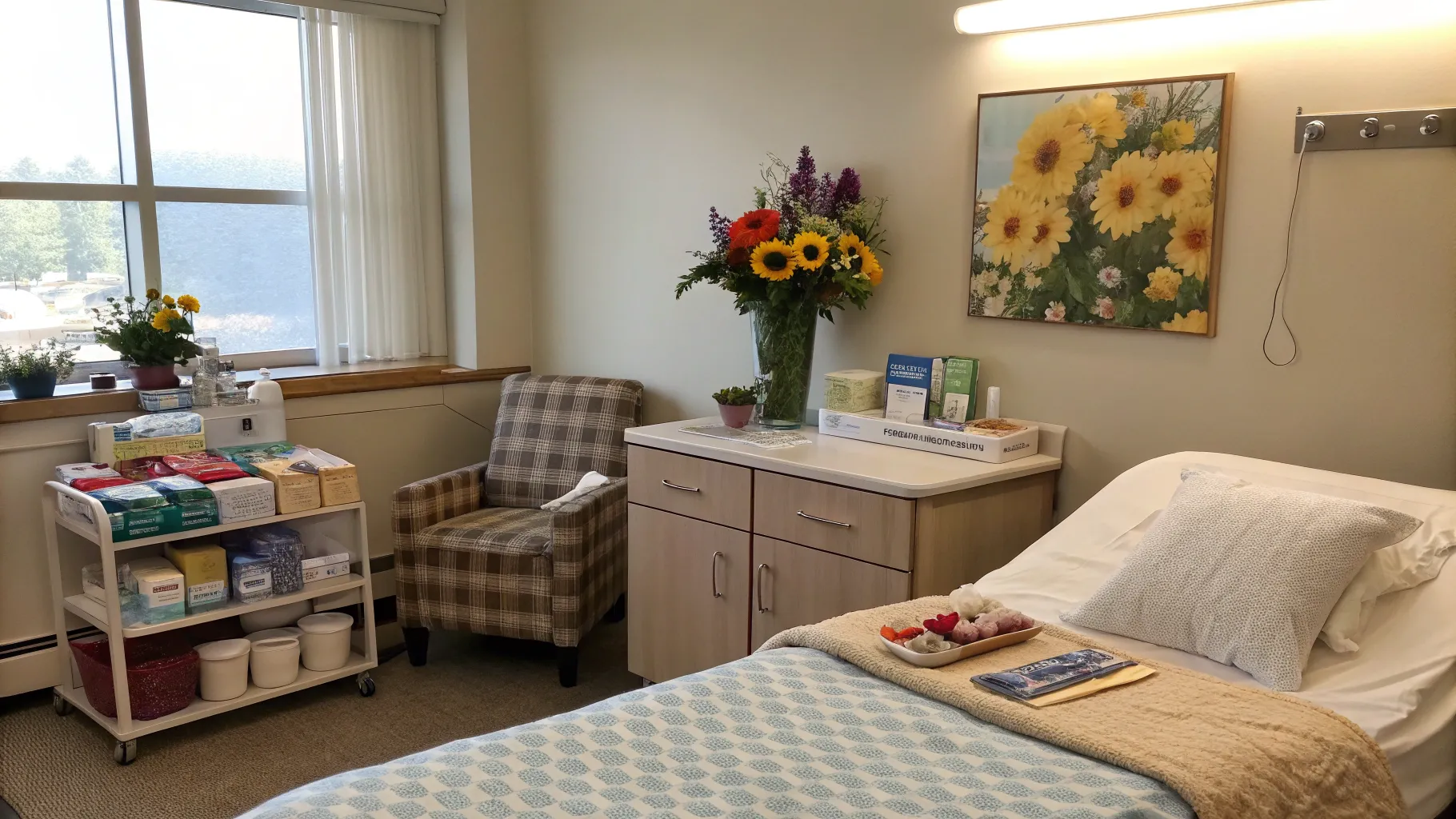
While recovery timelines can vastly differ from one individual to another, seniors can typically expect the initial recovery phase to last about two to four weeks. During this period, swelling and bruising are common side effects of surgery, and seniors may find that their recovery takes longer than that of younger patients due to age-related factors impacting healing. It's essential for seniors to prepare both physically and mentally for this process.
What to Expect During the Facelift Healing Process
The healing journey after a facelift involves several stages, each with its own characteristics. Immediately following the surgery, patients usually spend some time in a recovery area where healthcare professionals monitor them closely. In the first few days after the surgery, seniors can expect:
- Moderate Swelling and Bruising: On average, swelling and bruising may reach their peak between the second and third day post-surgery. To effectively manage this, applying cold packs and keeping the head elevated is advisable, which can help minimize discomfort.
- Pain Management: Seniors should be vigilant in managing discomfort. Utilizing prescribed pain relief options and maintaining open communication with their healthcare provider regarding pain levels is vital.
- Follow-up Appointments: Regular visits to the surgeon are crucial to assess healing progress. Sometimes, drainage tubes are necessary to prevent fluid buildup, meaning caregivers must assist with this component at home.
As the days pass, most seniors will notice a gradual reduction in swelling and bruising, typically within 10 to 14 days post-operation. Full recovery often winds down over several months, as the last traces of swelling fade and the final appearance of the facelift becomes evident.
Effective Post Surgery Facelift Care for Seniors
When it comes to maximizing the results of facelift surgery, post-operative care becomes critically important. Seniors focusing on recovery should adhere closely to aftercare recommendations given by their surgeons. Here are several key components of effective post-surgery care:
- Rest is Essential: Adequate rest remains paramount. Seniors must prioritize sleep and take things slow during recovery to enhance healing.
- Nourishing Diet: Consuming a balanced diet rich in essential vitamins and minerals can significantly promote recovery. Foods packed with protein, vitamin C, and antioxidants work wonders in supporting tissue repair.
- Hydration: Staying hydrated can facilitate quicker recovery. Seniors should aim to drink plenty of water, aiding in flushing out toxins from the body.
- Skin Care: Careful management of skin is necessary. Following the surgeon's guidelines concerning skincare, such as gentle cleansing and moisturizing, will enhance the healing process. It’s often beneficial to use specific skin products that promote healing and reduce scarring.
To further manage bruising, seniors may consider anti-bruising gels or arnica cream. Always discuss any new treatments or medications with a healthcare provider to ensure they do not disrupt recovery.
Managing Facelift Swelling and Bruising
With proper strategies, seniors can effectively manage post-surgical swelling and bruising, which not only enhances comfort but also significantly impacts the overall recovery experience. Recommended methods include:
- Cold Compresses: Utilizing ice packs intermittently during the first few days can significantly help in reducing swelling.
- Elevation: Keeping the head raised while resting is effective in minimizing fluid accumulation, contributing to reduced swelling.
- Gentle Movement: While rest is essential, engaging in light activity such as slow, short walks can help promote better circulation, providing a boost to the healing process.
Additionally, it’s important for seniors to avoid any actions that might strain facial muscles during the early recovery stages. Adhering to the surgeon's guidelines regarding resuming regular activities and exercise is also crucial.
Recovery Tips After Facelift for Seniors
To ensure a smoother recovery, here are several invaluable tips:
- Follow Medical Advice: It’s vital for seniors to meticulously follow all post-operative instructions provided by their surgeon, including taking medications on schedule, understanding activity limits, and attending follow-up visits.
- Avoid Smoking and Alcohol: Both substances can severely impede the healing process. Smoking restricts blood flow, while alcohol can interact negatively with medications.
- Manage Stress: Since stress can derail recovery, seniors should engage in calming activities such as reading, listening to soothing music, or practicing relaxation techniques.
- Seek Support: Having the assistance of family or friends can alleviate stress during recovery. They can help handle day-to-day tasks such as meal preparation, running errands, or accompanying seniors to medical appointments.
Once cleared by their surgeon, seniors may also engage in facial exercises after facelift surgery. While these exercises can aid in rebuilding strength, timing is everything, so it’s crucial to wait for medical approval before beginning any regimen.
The Importance of Patience in Recovery
Everyone's healing experience varies greatly, particularly for seniors, who may have slower recovery times compared to younger individuals. Patience is a virtue as the results gradually become apparent. Keep in mind that it can take up to a year for swelling to completely disappear and for the final outcomes of the facelift to be fully realized.
Overall, the recovery following a facelift requires careful management, plenty of rest, and strict adherence to medical advice. While the journey may seem daunting, understanding what to expect at each stage will empower seniors to navigate their healing process confidently. Ultimately, embracing the rejuvenated appearance they desire makes all the effort worthwhile.
Authored by FreshLifeWire team