Selecting Tinted Driving Glasses for Glare Reduction: A Complete Guide
Facts:
- Yellow lens tints can significantly improve visual contrast in low-light.
- A major trend for anti glare eyewear older adults is lighter, performance-based tints.
Decoding the Dangers of On-Road Glare
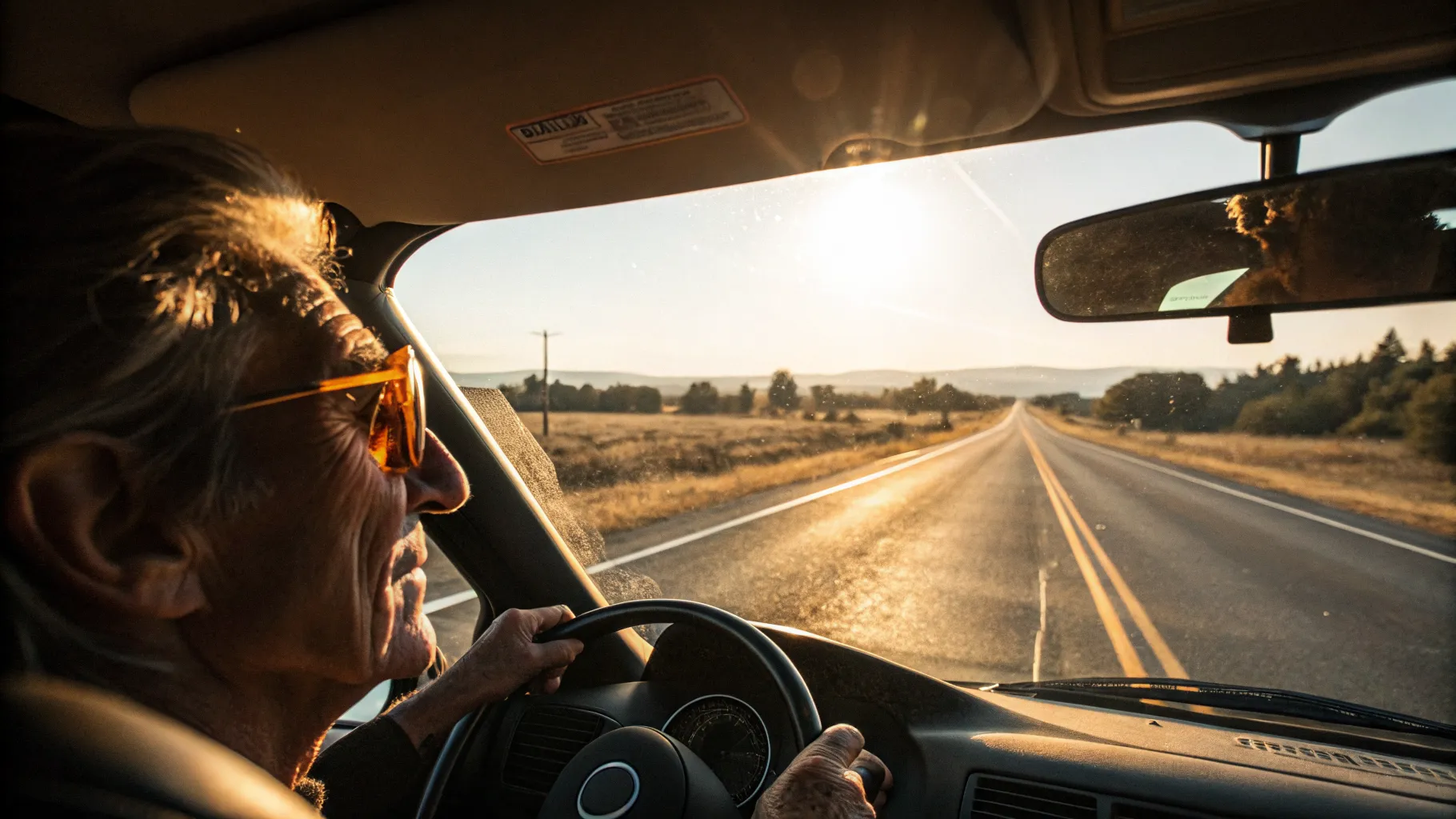
Glare from the sun, wet roads, or oncoming headlights isn't just a minor inconvenience; it's a significant safety hazard that impairs vision and slows reaction times. For many drivers, especially those with light sensitivity, this constant visual noise can be debilitating. The solution lies in specialized eyewear designed to filter harsh light and improve clarity. This guide provides an in-depth look at selecting the right tinted driving glasses, focusing on crucial features like polarization and lens color. We will delve into why specific options for anti glare eyewear older adults are gaining prominence and how understanding lens technology can transform your driving experience, particularly for those who need tinted lenses for sun sensitivity.
Understanding Lens Colors for Optimal Visual Acuity
The color of the lens is not merely a stylistic choice; it's a functional feature that determines how light is filtered. Different colors excel in different conditions. Gray lenses are neutral and reduce overall brightness without distorting color, making them ideal for bright, sunny days. Brown and copper tints enhance contrast and depth perception, making them excellent for variable weather conditions. Yellow and amber lenses are superb for low-light situations like dawn, dusk, or fog, as they significantly boost contrast. This makes them a key component in what is often marketed as polarized night driving glasses seniors, though they are not for true nighttime use. Choosing the right color is the first step in creating an effective visual tool for the road and a core part of this informative guide to visual contrast tools.
The Non-Negotiable Feature: Polarization Explained
Polarization is arguably the most critical feature for any driving glasses intended for daytime use. Glare is typically horizontally polarized light bouncing off surfaces like a wet road or the hood of your car. Polarized lenses contain a special filter that blocks this intense horizontal light, dramatically reducing glare and improving visual comfort and clarity. While standard tinted lenses only reduce the overall amount of light, polarized lenses selectively eliminate the most harmful, blinding glare. This is particularly important for those seeking effective anti glare eyewear older adults, as sensitivity to glare often increases with age. When evaluating options, always prioritize polarization for daytime driving to ensure the safest and most comfortable view.
Making Sense of Technical Specs: An Informative Guide to Visual Contrast Tools
When you're shopping for driving glasses, you'll encounter technical terms that can be confusing. The most important of these is Visible Light Transmission (VLT), which measures the percentage of light the lens allows to pass through to your eye. Lenses are typically categorized from 0 to 4. Category 4 is too dark for driving, while Category 2 or 3 is ideal for daytime. Understanding optical light filter metrics like VLT is crucial for safety and performance. Another key factor is UV protection; always ensure the glasses block 100% of UVA and UVB rays. This technical knowledge is a cornerstone of any good informative guide to visual contrast tools, empowering you to make a choice based on science, not just marketing.
Specialized Eyewear for Senior Drivers
As we age, our eyes undergo changes that can make driving more challenging. Conditions like cataracts can increase scattering of light within the eye, leading to more severe glare and halos around lights. This makes selecting the right eyewear paramount for safety. For older drivers, anti glare eyewear older adults should feature lightweight frames, full wrap-around coverage to block peripheral light, and lens tints that boost contrast, such as copper or yellow. While often called polarized night driving glasses seniors, yellow-tinted glasses should only be used for low-light conditions like dusk, not complete darkness, as they still reduce the total light reaching the eye. For individuals with increased tinted lenses for sun sensitivity, a high-quality polarized gray or brown lens is indispensable for daytime driving.
Your Checklist for Selecting Anti-Glare Driving Eyewear
Choosing the right pair of driving glasses can feel overwhelming. Use this checklist to simplify the process and ensure you get a pair that enhances both safety and comfort.
- Prioritize Polarization: For daytime driving, this is the single most effective feature for cutting road glare. Do not compromise on this.
- Select the Right Tint: Choose a lens color based on your primary driving conditions. Gray for bright sun, copper for variable weather, and yellow for low-light contrast enhancement. This addresses the need for tinted lenses for sun sensitivity.
- Check the VLT Category: Ensure the Visible Light Transmission is appropriate for driving. Category 2 or 3 is best for daytime. Avoid anything labeled Category 4. A key part of understanding optical light filter metrics.
- Confirm 100% UV Protection: Protect your eye health. This is a standard feature on most quality eyewear but is always worth verifying.
- Evaluate Fit and Comfort: The best glasses are the ones you'll wear. Look for lightweight materials and a comfortable, secure fit that doesn't create blind spots. This is especially crucial when selecting anti glare eyewear older adults.
Frequently Asked Questions
Are polarized night driving glasses seniors actually safe for night driving?
This is a common misconception. Any lens with a tint, including yellow, reduces the amount of light that reaches your eyes. While yellow lenses can enhance contrast in low-light conditions like dusk, dawn, or fog, they are not recommended for true nighttime driving. For driving in the dark, clear lenses with an anti-reflective coating are the safest option as they allow maximum light transmission while reducing glare from oncoming headlights.
How do I choose the best tinted lenses for sun sensitivity?
If you have high sun sensitivity, look for lenses in VLT Category 3, which allows only 8-18% of light to pass through. Gray tints are excellent as they reduce brightness without distorting colors. Brown or copper tints are also great choices and have the added benefit of enhancing contrast. Most importantly, ensure the lenses are polarized to eliminate the harshest reflective glare from roads and other surfaces.
What should I look for in anti glare eyewear older adults?
Older adults should prioritize features that address common age-related vision changes. This includes superior polarization to combat increased glare sensitivity, contrast-enhancing tints like copper or amber to improve depth perception, and 100% UV protection. Additionally, lightweight frames with a comfortable, wrap-around design are important to minimize pressure points and block stray light from the sides.
References
- Vision and Driving Safety Studies
- The American Academy of Ophthalmology Reports
- Optical Engineering and Lens Technology Journals
- National Highway Traffic Safety Administration Guidelines
Authored by FreshLifeWire team