The Ultimate Second Hand Jewelry Buying Guide: Find Your Treasure
Facts:
- The global second hand jewelry market is projected to grow significantly.
- Sustainable shopping is a major trend driving interest in pre-owned luxury goods.
Your Definitive Guide to Navigating the World of Second Hand Jewelry
Diving into the market for second hand jewelry can be an incredibly rewarding experience, offering unique pieces with history and character at a fraction of their original cost. However, to make a truly smart purchase, a comprehensive second hand jewelry buying guide is essential. This guide will walk you through the critical steps, from initial inspection to final purchase, ensuring you acquire a piece you'll cherish. We will cover crucial topics like authenticity checks and understanding the nuances of condition grading to help you invest wisely and confidently.
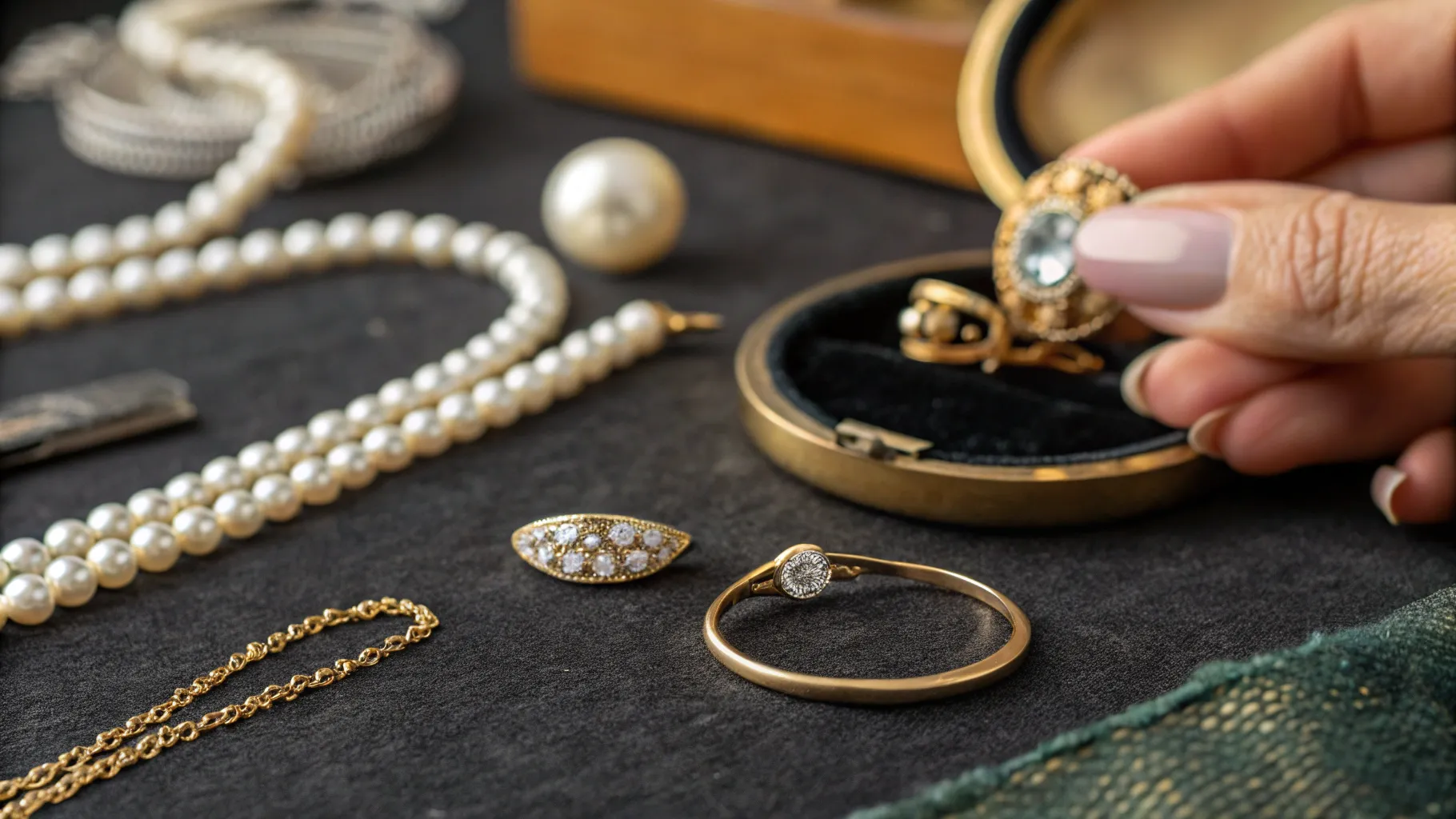
Mastering Authenticity Checks for Pre-Owned Treasures
One of the biggest concerns for buyers is authenticity. Performing thorough authenticity checks is non-negotiable. Start by looking for hallmarks and stamps. These tiny markings, often found on the inside of a ring's band or near the clasp of a necklace, can indicate the metal's purity (e.g., '14K', '750' for 18K gold, '925' for sterling silver) and sometimes the manufacturer's mark. A jeweler's loupe is an invaluable tool for this step. For gemstones, especially diamonds, professional certification from bodies like the GIA (Gemological Institute of America) is the gold standard. If a piece lacks certification, consider getting an independent appraisal. This step in our second hand jewelry buying guide protects you from counterfeit items and ensures you're paying a fair price for genuine materials.
Understanding Condition Grading: What to Look For
The term 'second hand' covers a wide spectrum of conditions, making an understanding of condition grading absolutely vital. Jewelry is typically graded on a scale from 'Mint' or 'Like New' to 'Fair' or 'Poor'. 'Mint' condition means the piece shows no visible signs of wear. 'Excellent' condition implies very minor signs of wear, visible only under close inspection. 'Good' condition means the piece has been worn and shows light scratches or scuffs, but is structurally sound. 'Fair' condition items may have noticeable damage, such as missing small stones or significant dents, that require repair. When evaluating a piece, carefully check for scratches on the metal, the security of stone settings, the functionality of clasps, and any signs of previous repairs. Proper condition grading helps you assess the true value and potential future costs of a piece.
Key Resale Value Factors in Second Hand Jewelry
Not all second hand jewelry is created equal, and several key resale value factors determine its long-term worth. The most significant factors include the brand, materials, rarity, and provenance. Jewelry from iconic houses like Cartier, Tiffany & Co., or Van Cleef & Arpels often retains or even appreciates in value. The intrinsic value of the precious metals (gold, platinum) and gemstones (diamonds, rubies, sapphires) provides a baseline price. Rarity, such as a piece from a limited collection or a specific historical period like Art Deco or Victorian, can dramatically increase its value. Finally, provenance—the documented history of ownership—can add a priceless layer of desirability, especially if the piece was owned by a notable person. Considering these resale value factors is a crucial part of making a sound investment.
Exploring Popular Second Hand Jewelry Types
Navigating the market is easier when you know what to look for. Certain categories are consistently sought after. This section of the second hand jewelry buying guide highlights the most popular second hand jewelry types that offer both style and value.
- Vintage and Antique Engagement Rings: These are highly desirable for their unique craftsmanship and timeless designs. Eras like Edwardian, Art Deco, and Mid-Century Modern offer distinct styles you won't find in modern stores. Their history adds a romantic element that many couples seek.
- Designer Signed Pieces: Bracelets, necklaces, and earrings from renowned luxury brands are always in demand. Buying them second hand makes them more accessible and they often hold their value well, making them excellent investments. Look for iconic collections like the Cartier Love bracelet or the Tiffany & Co. Bean design.
- Gold Chains and Bracelets: Classic gold jewelry is a staple that never goes out of style. The value is largely based on the weight and purity of the gold, making it a relatively safe and tangible asset. Pay close attention to the quality of the links and the clasp's security.
- Gemstone Cocktail Rings: Large, bold rings featuring colorful gemstones like sapphires, emeralds, aquamarines, or amethysts are popular statement pieces. The second hand market is a fantastic place to find high-quality stones in unique settings for a lower price.
Frequently Asked Questions
Where is the best place to buy second hand jewelry?
The best places include reputable antique jewelry stores, certified online marketplaces, and specialized auction houses. It's crucial to choose a seller with a strong reputation, transparent return policies, and detailed descriptions. Using a trusted source is a cornerstone of any good second hand jewelry buying guide.
How can I be sure a diamond is real without a certificate?
While a certificate is best, you can perform some preliminary authenticity checks yourself. A real diamond will not fog up easily when you breathe on it. You can also try the 'read-through' test: you shouldn't be able to read text through a real diamond. However, for a definitive answer, always consult a certified gemologist.
Does second hand jewelry hold its value?
Yes, it often does, and sometimes it even appreciates. The key lies in understanding the resale value factors. A piece of jewelry has already undergone its initial depreciation from retail. If you buy a quality piece from a good brand at a fair price, it's likely to retain its value well, especially considering the fluctuating prices of precious metals and gems.
References
- Gemological Institute of America (GIA) - Grading and Certification Standards
- The National Association of Jewellers - Consumer Guides
- Sotheby's and Christie's Auction House - Jewelry Archives
- Antique Jewelry University - Period and Style Guides
Authored by FreshLifeWire team