Scrapbooking Workshops and Paper Archiving Tips: A Guide for Seniors
Facts:
- Proper photo archiving can preserve memories for over 100 years.
- A rising trend in lifelong learning involves scrapbook classes for older adults.
Unlock Your Family's History: A Deep Dive into Preservation
Preserving family history is a cherished endeavor, transforming boxes of old photographs into treasured heirlooms. For many, the journey begins with finding the right guidance and materials. This guide provides comprehensive scrapbooking workshops and paper archiving tips, focusing on techniques that ensure your memories last for generations. We will explore everything from essential preserving old family photos training to selecting the best acid free photo albums seniors can use to protect their legacy. This process is more than just organizing pictures; it's about telling a story that will be enjoyed for years to come, and the right archival methods are key to its longevity.
Choosing the Right Materials: An Informative Guide to Archival Media Setups
The foundation of effective paper archiving lies in the quality of your materials. Using incorrect supplies can cause more damage than simply leaving photos in a shoebox. An informative guide to archival media setups always begins with the principle of using chemically stable, acid-free products. Standard paper and albums contain acids that, over time, will turn brittle, yellow, and break down, leaching onto your photos and causing them to deteriorate. Archival-quality materials are designed to be inert, providing a safe environment for your precious documents and photographs. When seeking out supplies, always look for labels like 'acid-free,' 'lignin-free,' and 'photo-safe.' This is a non-negotiable first step in any serious preservation project.
Acid-Free Paper and Cardstock
The pages of your scrapbook are in direct contact with your photos, making the choice of paper critical. Always select paper and cardstock that is explicitly labeled 'acid-free' and 'lignin-free.' Lignin is a natural compound in wood pulp that breaks down and releases acid, so its absence is just as important. These materials provide a stable, non-damaging background for your memories, ensuring the colors in your photos remain vibrant and the paper itself does not become fragile.
Photo-Safe Adhesives and Tools
The glue you use matters immensely. Common household glues and tapes contain acids that can permanently damage photos. Instead, opt for photo-safe adhesive runners, glue dots, or photo corners designed specifically for archival purposes. These products will not yellow or become brittle. Similarly, use pens with pigment-based, fade-resistant ink for journaling next to your photos to ensure your written stories last as long as the images themselves.
Mastering the Narrative: Understanding Chronological Photo Layout Models
Once you have the right materials, the next step is planning your album's structure. While creative freedom is part of the fun, understanding chronological photo layout models can provide a powerful framework for telling your family's story. A chronological approach is often the most intuitive, guiding the viewer through time from one event to the next. This method allows you to showcase personal growth, family changes, and historical context in a clear, linear fashion. You can organize by year, decade, or even specific life events like birthdays, holidays, and vacations. This systematic approach not only makes the album easy to follow but also simplifies the process of sorting through a large collection of photos before you begin.
Finding Your Community: The Benefits of Scrapbook Classes for Older Adults
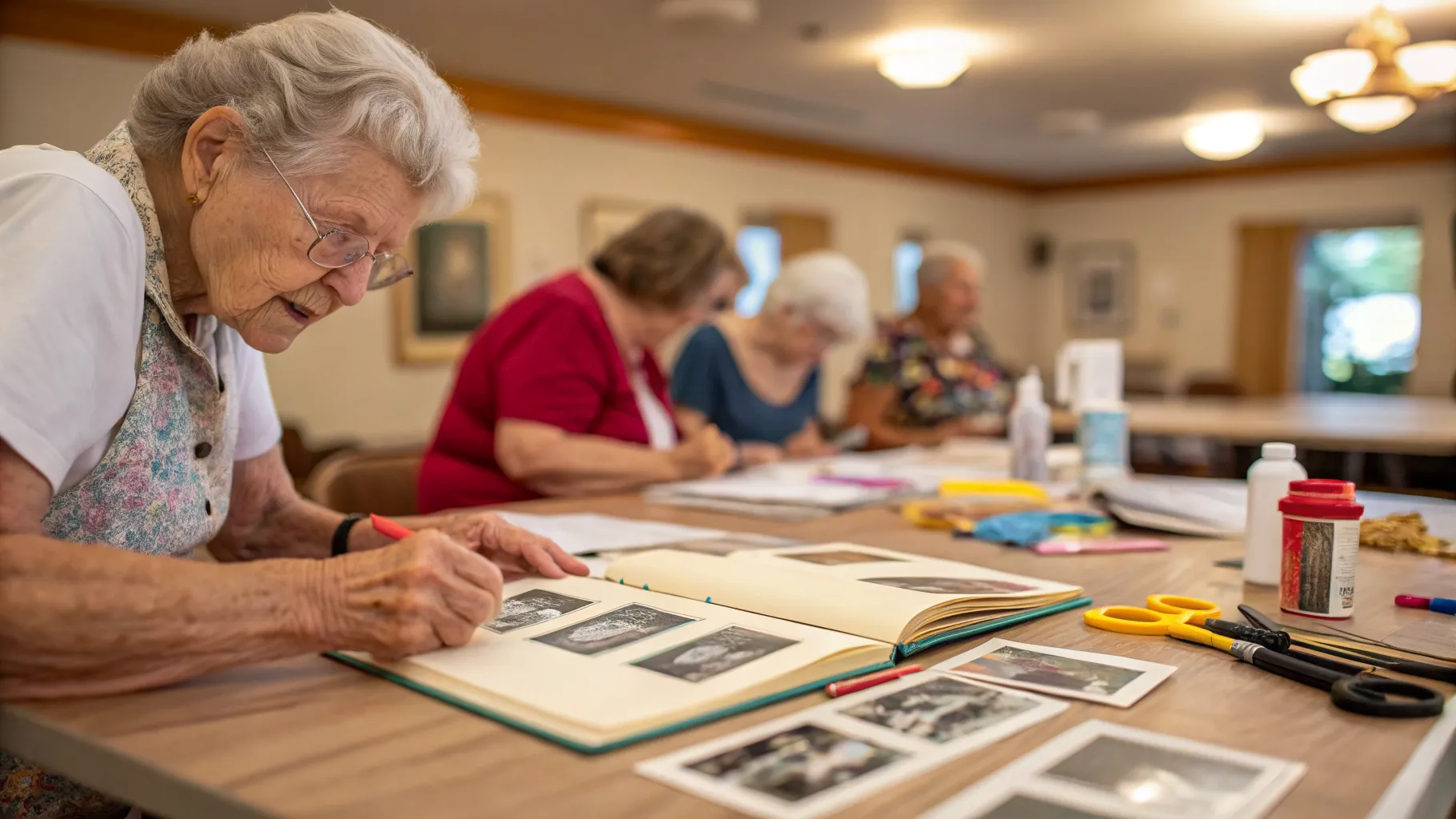
Embarking on a large archiving project can feel daunting, but you don't have to do it alone. Enrolling in scrapbook classes for older adults provides numerous benefits beyond just learning new skills. These workshops offer a structured environment where you can receive expert guidance on everything from basic techniques to advanced preservation methods. More importantly, they foster a sense of community, connecting you with peers who share a similar passion for preserving family history. This social aspect can be incredibly motivating, turning a solitary hobby into a shared, enjoyable experience. Instructors often provide invaluable preserving old family photos training, ensuring you avoid common mistakes and use your materials effectively.
Actionable Steps for Archiving Your Photographic Legacy
Getting started is often the hardest part. Here is a practical, step-by-step process to guide you through archiving your photos properly. Following these steps will help create beautiful, lasting albums that protect your family's heritage.
- Gather and Sort Your Collection: Begin by gathering all your photos, negatives, and related documents in one place. Sort them broadly by decade or major life event. This initial organization will help you understand the scope of your project and is a key part of understanding chronological photo layout models.
- Handle with Care: Before you begin sorting in detail, wear cotton or nitrile gloves to avoid transferring oils from your skin onto the photos. This simple step can prevent fingerprints and smudges that can become permanent over time.
- Select Your Archival Materials: Purchase all necessary supplies before you start assembling. This includes finding the right acid free photo albums seniors will find easy to use, photo-safe adhesives, and archival-quality paper. This is a critical part of any informative guide to archival media setups.
- Create Your Layouts: Arrange your photos on the acid-free pages before applying any adhesive. Plan your story, write down your memories with an archival pen, and then secure the photos in place. This methodical process ensures a polished and thoughtful final product.
- Store Finished Albums Properly: Keep your completed scrapbooks in a cool, dark, and dry place. Avoid attics and basements where temperature and humidity fluctuate, as these conditions can accelerate deterioration. Proper storage is the final step in successful long-term preservation.
Frequently Asked Questions
What is the most important part of preserving old family photos training?
The most critical aspect of any preserving old family photos training is learning about the impact of acidic materials. Understanding why you must use photo-safe, acid-free, and lignin-free products is the foundation of successful archiving. Without this knowledge, even the most beautiful scrapbook can inadvertently damage the photos it is meant to protect.
Where can I find scrapbook classes for older adults?
You can often find scrapbook classes for older adults at local community centers, senior centers, public libraries, and craft stores. Many organizations offer courses specifically tailored to seniors, focusing on creating memory books and preserving heritage in a friendly, social environment.
Why are acid free photo albums seniors recommend so important?
The recommendation for acid free photo albums seniors use is based on longevity. Albums containing acid will yellow and become brittle over time, and this acid can migrate to the photographs, causing them to fade, discolor, and deteriorate. Acid-free albums provide a stable, non-damaging environment to ensure the photos last for future generations to enjoy.
References
- The National Archives - Preservation Guidelines for Family Photographs
- The Library of Congress - Care, Handling, and Storage of Photographs
- Archival Methods Journal - Best Practices for Personal Collections
- The American Institute for Conservation - Caring for Your Treasures
Authored by FreshLifeWire team