School Cleaning Positions: Crucial Roles in 2025
Discovering the Significance of School Cleaning Roles in 2025
In 2025, the role of cleaning staff in schools has evolved significantly. Maintaining a clean and healthy school environment is a central focus, ensuring that schools are a safe space for students, educators, and staff. It's about more than cleanliness, involving an ongoing commitment to health, safety, and educational excellence. Here’s why these roles are so indispensable today.
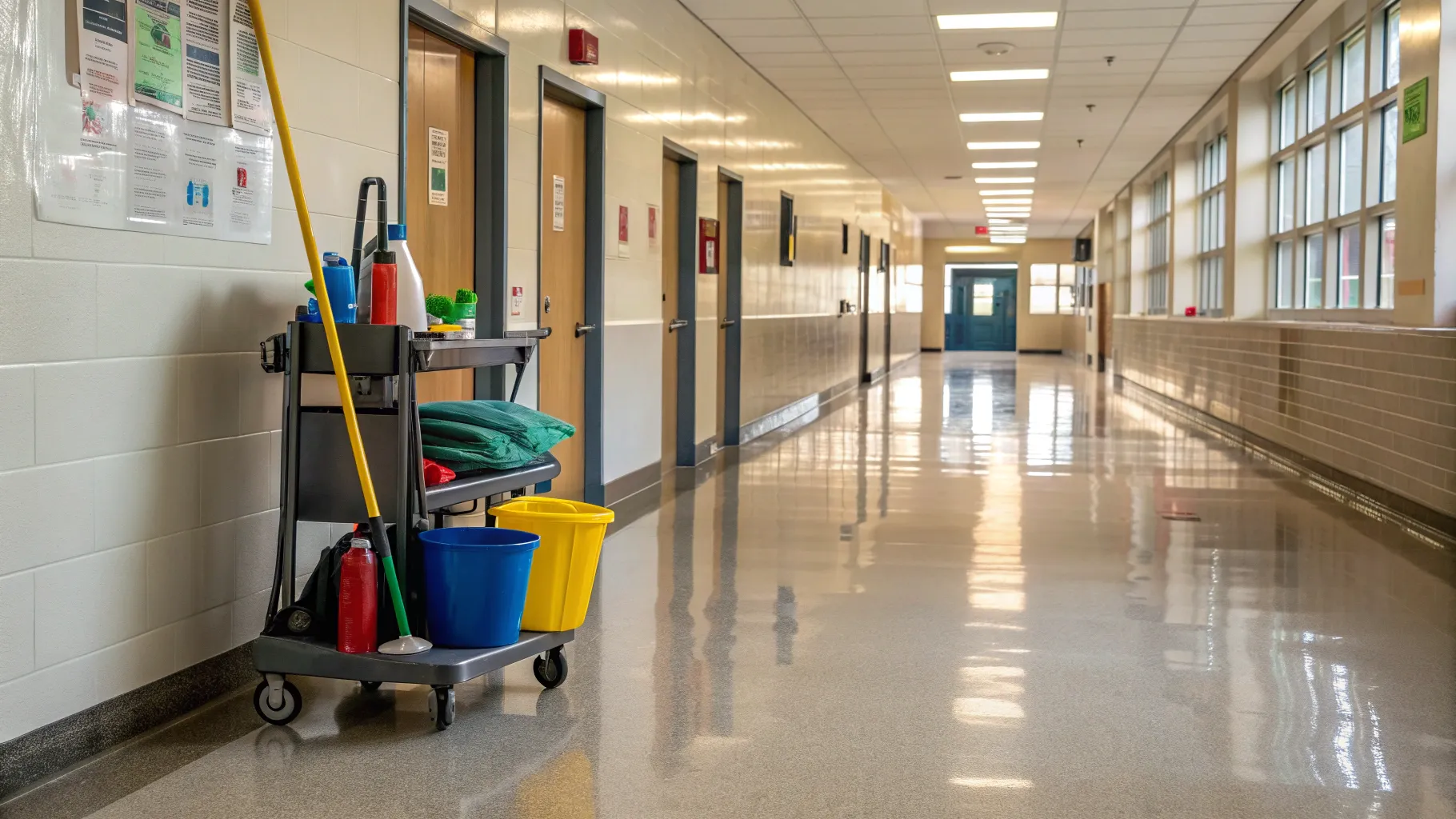
The Essential Roles of School Cleaning Professionals
The scope of responsibilities for school cleaning staff in 2025 has broadened well beyond basic cleaning tasks like sweeping and dusting. These professionals are crucial in curbing the spread of viruses and bacteria, a need underscored by the challenges of recent global health crises.
Everyday and Intensive Cleaning Regimens: Routine cleaning involves daily tasks such as vacuuming, trash disposal, and basic sanitation. However, it’s the intensive cleaning—focused on high-touch areas like door handles, desks, and electronic devices—that is increasingly pivotal. Regular use of advanced disinfectants ensures these areas remain safe, fostering an environment where education thrives.
Integrating Innovations in Health Protocols: Modern cleaning processes make use of biodegradable cleaning agents and technologically advanced equipment. These green solutions safeguard health and reduce exposure to harmful chemicals, promoting overall well-being. With these methods, schools report marked decreases in absenteeism, proving the efficacy of innovative cleaning practices.
Addressing Challenges and Embracing Change
Despite their critical importance, school cleaning roles face numerous challenges, from budgetary limits to staffing shortages. A 2024 educational report noted that 20% of schools face difficulties in recruiting adequate cleaning personnel due to financial and labor constraints. Yet, with every challenge comes an opportunity for improvement through innovation and shift in perspectives.
Financial Limitations in Schools: Budget restrictions can inhibit the hiring and retention of sufficient cleaning staff, thus affecting consistency in cleanliness. Creative budgeting and resource allocation can ensure that schools maintain high standards despite economic limitations, ensuring that cleanliness and student health remain priorities.
Harnessing Technological Advancements: In 2025, the implementation of AI-driven cleaning robots and smart cleaning systems is nothing short of revolutionary. Such technologies handle repetitive and labor-intensive tasks, allowing human staff to focus on detailed, specialized cleaning functions that machines cannot perform effectively.
Ongoing Educational Programs: With ever-changing cleaning technologies and practices, continuous staff training is crucial. Seminars, workshops, and online courses ensure that cleaning personnel stay current, enhancing their skills and improving their contributions to the school environment.
Elevating Educational Experiences Through Cleanliness
Deeply intertwined with academic success, a clean school environment can significantly affect student performance and well-being. Research indicates that students in cleaner environments report higher concentration levels, lower stress rates, and improved overall performance. It is clear that cleanliness plays an integral role in academic achievement as much as it does in health.
The psychological impact of a tidy school is notable. Students are more likely to respect their environments, instilling a sense of pride and responsibility that extends beyond childhood into adulthood. When schools create an inviting, clean setting, it not only optimizes learning but also instills life-long values.
Fostering Community Engagement: Beyond maintaining cleanliness, these roles provide opportunities to strengthen community ties. Schools that hire locally create job opportunities, fostering economic growth and community bonds. When schools become a nucleus of community engagement, everyone benefits. This involvement can even manifest in school-wide cooperative cleaning programs that teach students about responsibility and teamwork.
In essence, cleaning positions in modern schools are far more than maintenance tasks. By valuing these indispensable roles and equipping them with advanced tools and knowledge, schools in 2025 not only safeguard health but also enhance the quality of education. Investing in school cleanliness today means fostering the leaders of tomorrow in a healthy, encouraging environment.
Authored by FreshLifeWire team