School Cafeteria Roles Elevate Nutritional Education
Understanding School Cafeteria Roles: Nurturing Minds with Nutritious Meals
The dynamic world of education is a hive of activity, growth, and learning, where every day opens a new chapter of opportunity. At the heart of this environment is a bustling hub—the school cafeteria, a place where nutrition meets educational nourishment. In 2025, more than ever, our schools emphasize the importance of wholesome, balanced meals. This focus represents an unwavering commitment to fostering a vibrant, health-conscious generation.
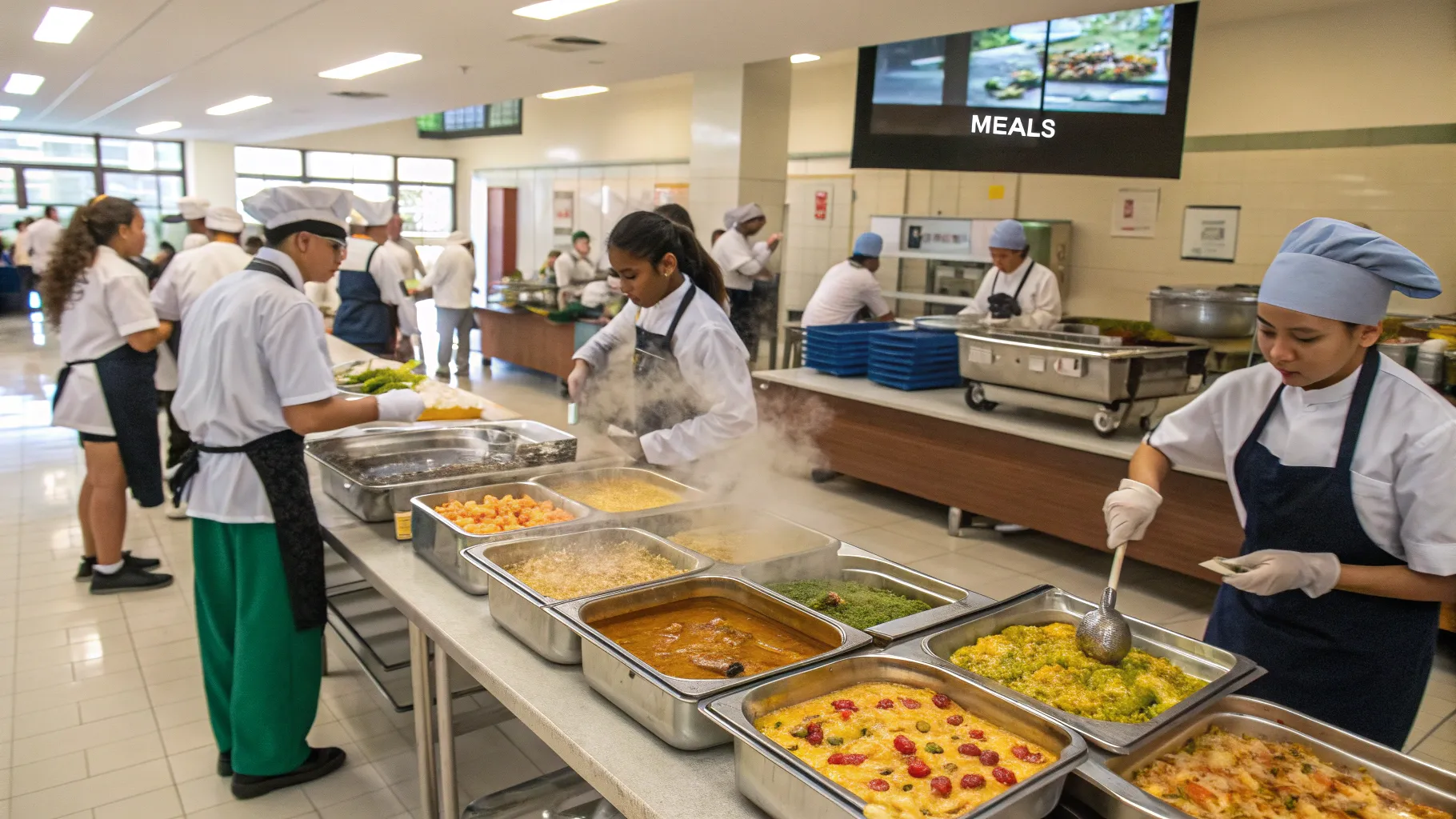
The Impactful Roles in School Cafeterias
School cafeterias aren't just about serving food; they are integral to students' health and development. For many, the cafeteria is a daily haven providing over one-third of their nutritional requirements. This places cafeteria staff in crucial roles as they champion the mission to deliver meals that support physical health and cognitive abilities.
The Cafeteria Manager stands at the heart of operations, balancing the intricacies of budget management, nutrition standards, and team coordination. They are the strategic minds ensuring that each day’s service runs seamlessly and successfully.
Beside them is the Head Cook, whose culinary expertise transforms basic ingredients into delicious, nutritious meals. From finding creative ways to satisfy discerning teen palates to honoring dietary limitations, head cooks are adept at blending innovation with nutrition.
The Backbone: Food Service Workers
The vital role of Food Service Workers cannot be overstated. As the frontline heroes, they prepare and serve meals with precision and warmth, embodying efficiency in an often fast-paced environment. With a 15% rise in demand reflecting growing student enrollments, each interaction is an opportunity to influence and connect with students positively.
Adapting Roles for a Better Future
- Dietitian: In today’s context, dietitians are indispensable. They meticulously craft menus that cater to diverse nutritional needs, safeguard students with allergies, and uphold balance for optimal health.
- Nutrition Educator: Educating students about nutrition can transform eating habits. These educators pursue this mission through engaging workshops, demonstrating the profound connection between food choices and physical well-being.
- Technician: Such roles encompass managing technological solutions that facilitate streamlined service. From quick payment systems to dietary monitoring tools, they enhance the efficiency of dining operations in a digital era.
States like California and Texas exemplify dedication through grants aimed at enhancing cafeteria training, reinforcing skillsets, and opening new career pathways, thus ensuring quality and bolstering the potential of every cafeteria worker.
Commitment to Sustainability and Growth
Amidst a growing emphasis on sustainability, cafeteria teams pioneer efforts to minimize waste, champion local farming, and embrace eco-friendly initiatives. Environmental stewardship training offered to staff translates into actionable green strategies on the ground.
Numerous professional development opportunities further empower staff, focusing on facets ranging from food safety to accommodating diverse dietary preferences. Collaborative efforts with culinary foundations provide workers with fresh learning experiences and exposure to industry innovations.
The influence of these endeavors is powerful: school cafeterias have transcended their original purpose of merely satiating hunger. Today, they are platforms for nurturing intelligence and fostering community, elevating each meal into an unforgettable fusion of vitality and learning.
Authored by FreshLifeWire team