Safe Home Remedies for Constipation: A Guide to Natural Relief
Facts:
- Nearly 16 out of 100 adults have symptoms of constipation.
- A renewed focus on gut health is a top trend for natural constipation relief.
Finding Gentle Relief: Your Guide to Digestive Wellness
Dealing with infrequent or difficult bowel movements can be uncomfortable and disruptive. Fortunately, many effective and safe home remedies for constipation can provide significant relief without resorting to harsh laxatives. Understanding the root causes, from diet to lifestyle, is the first step toward achieving regularity. This comprehensive guide explores various methods for natural constipation relief, focusing on sustainable changes to your diet and habits that support better overall digestive health and help establish healthy daily bowel habits.
The Crucial Role of Hydration in Digestion
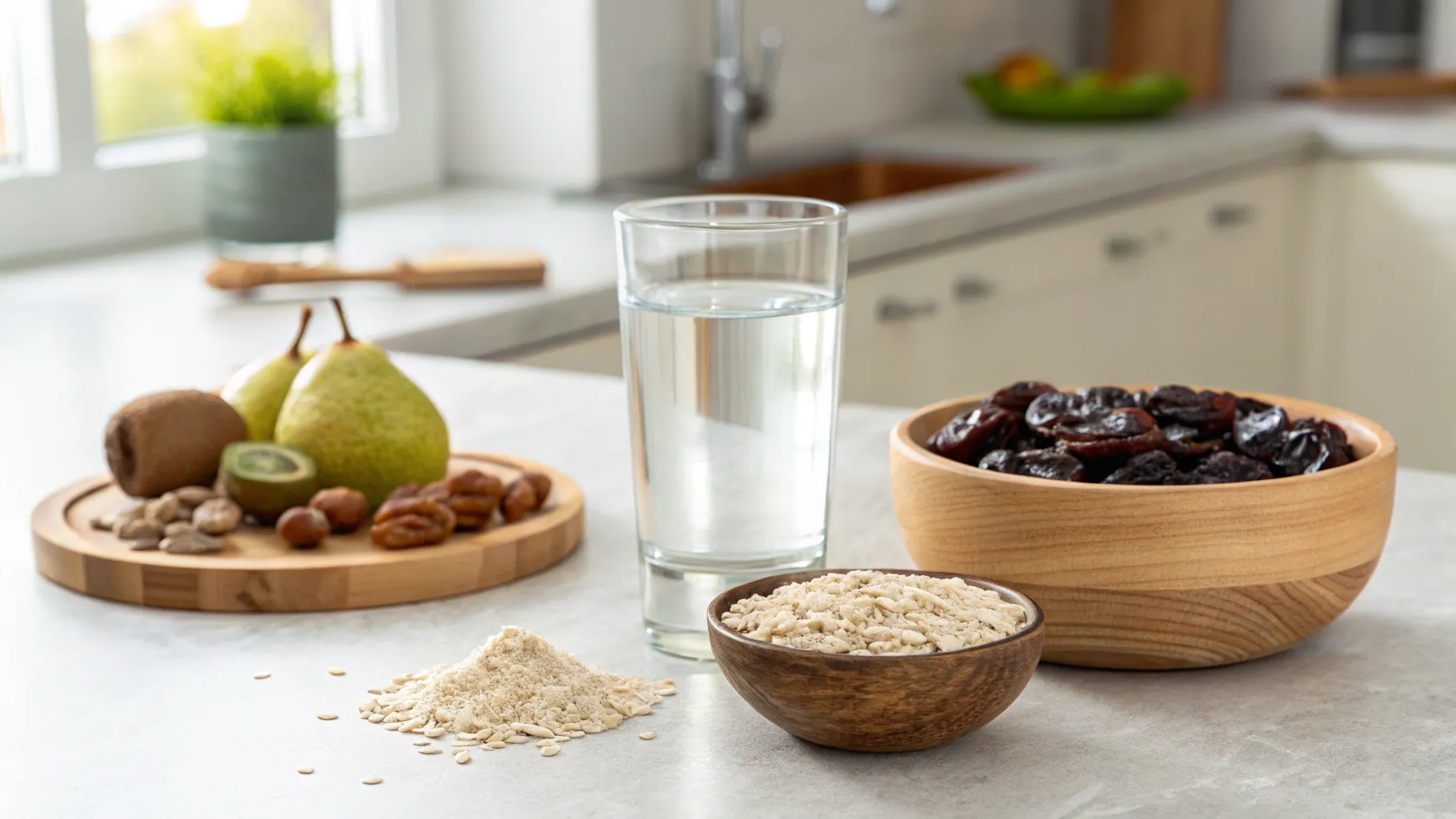
One of the most fundamental yet often overlooked aspects of digestive health is proper hydration. Water is essential for the entire process of hydration and digestion. When you are dehydrated, your body pulls water from the colon, resulting in harder, drier stools that are difficult to pass. This directly contributes to constipation. To combat this, it's vital to drink an adequate amount of water throughout the day. For most adults, this means at least 8-10 glasses. Increasing your fluid intake can soften stool, making it easier to move through your digestive tract and promoting more regular bowel movements. This is a cornerstone of any strategy for natural constipation relief and is essential for maintaining healthy daily bowel habits.
Harnessing the Power of Dietary Fiber Sources
Dietary fiber is perhaps the most well-known remedy for constipation, and for good reason. It works by increasing the weight and size of your stool and softening it, making it easier to pass. There are two types of fiber, both important for digestion. Soluble fiber dissolves in water to form a gel-like substance, while insoluble fiber adds bulk to the stool. Incorporating a variety of dietary fiber sources is a primary strategy for finding natural constipation relief.
Prunes and Prune Juice
Prunes are a classic remedy, rich in both fiber and sorbitol, a natural sugar alcohol that has a laxative effect. Eating a few prunes or drinking a small glass of prune juice can stimulate the bowels effectively.
Legumes
Beans, lentils, and chickpeas are excellent dietary fiber sources. A single cup of cooked lentils can provide more than half of your daily recommended fiber intake. They are a powerful tool in your arsenal of safe home remedies for constipation.
Fruits and Vegetables
Apples, pears, and kiwis are particularly high in fiber and water content. The pectin in apples, for example, is a type of soluble fiber known to promote regularity. Keeping the skin on these fruits maximizes their fiber content.
Flaxseed and Chia Seeds
These tiny seeds are nutritional powerhouses and potent dietary fiber sources. A tablespoon of ground flaxseed or whole chia seeds can be easily added to oatmeal, smoothies, or yogurt to significantly boost your fiber intake and support healthy hydration and digestion.
The Impact of Movement on Daily Bowel Habits
A sedentary lifestyle can slow down your digestive system. Regular physical activity, on the other hand, helps stimulate the natural contraction of intestinal muscles, which helps move stool through the colon more quickly. You don't need to engage in strenuous exercise; even a daily 20-30 minute walk can make a significant difference. Establishing a routine that includes consistent physical activity is key to improving your daily bowel habits. This simple lifestyle change complements dietary adjustments and is one of the most effective safe home remedies for constipation, helping your body's systems function optimally.
Gentle Teas and Supplements for Natural Relief
Beyond diet and exercise, certain herbal teas and supplements can offer gentle, natural constipation relief. Peppermint and ginger teas are known to have a soothing effect on the digestive system. Senna tea is a more potent natural laxative, but it should be used with caution and only for short periods. Magnesium citrate is a supplement that works as an osmotic laxative, drawing water into the intestines to soften stool. Before starting any new supplement, especially if you have underlying health conditions, it's always wise to consult with a healthcare provider to ensure it's a safe choice for you. These options can be valuable components of a broader strategy for managing constipation.
When to Consult a Doctor About Constipation
While many cases of constipation can be resolved with safe home remedies for constipation, it's important to recognize when professional medical advice is needed. If your constipation is severe, lasts longer than three weeks, or is accompanied by symptoms like severe abdominal pain, blood in the stool, or unexplained weight loss, you should see a doctor. Chronic constipation can sometimes be a symptom of an underlying medical condition. A healthcare professional can help you rule out other issues and recommend a more targeted treatment plan if lifestyle changes and home remedies are not providing adequate natural constipation relief.
Frequently Asked Questions
How quickly do safe home remedies for constipation work?
The time it takes for remedies to work can vary. Increasing hydration and fiber intake might show results in a day or two, but it can sometimes take a few days to fully regulate your system. It's important to introduce high-fiber foods gradually to avoid bloating and gas. Consistency is key for long-term natural constipation relief.
Can stress impact my daily bowel habits?
Absolutely. The gut-brain axis is a powerful connection. High levels of stress and anxiety can significantly disrupt your digestive system, slowing down colon contractions and leading to constipation. Practicing stress-management techniques like meditation, deep breathing, or yoga can positively impact your daily bowel habits.
References
- National Institute of Diabetes and Digestive and Kidney Diseases (NIDDK) - Constipation.
- American Gastroenterological Association - Understanding Constipation.
- Harvard Health Publishing - Simple steps to relieve constipation.
Authored by FreshLifeWire team