Safe and Healthy Human Foods Dogs Can Eat in 2025
Foods That Are Safe and Healthy for Dogs
In 2025, it's essential to understand that keeping our canine companions healthy goes beyond just providing commercial dog food. While these diets are tailored for a dog's nutritional needs, many human foods can also offer great benefits and can be safely added to your dog's diet. Below are some safe and nutritious options you can consider as enriching supplements or treats for your furry friend:
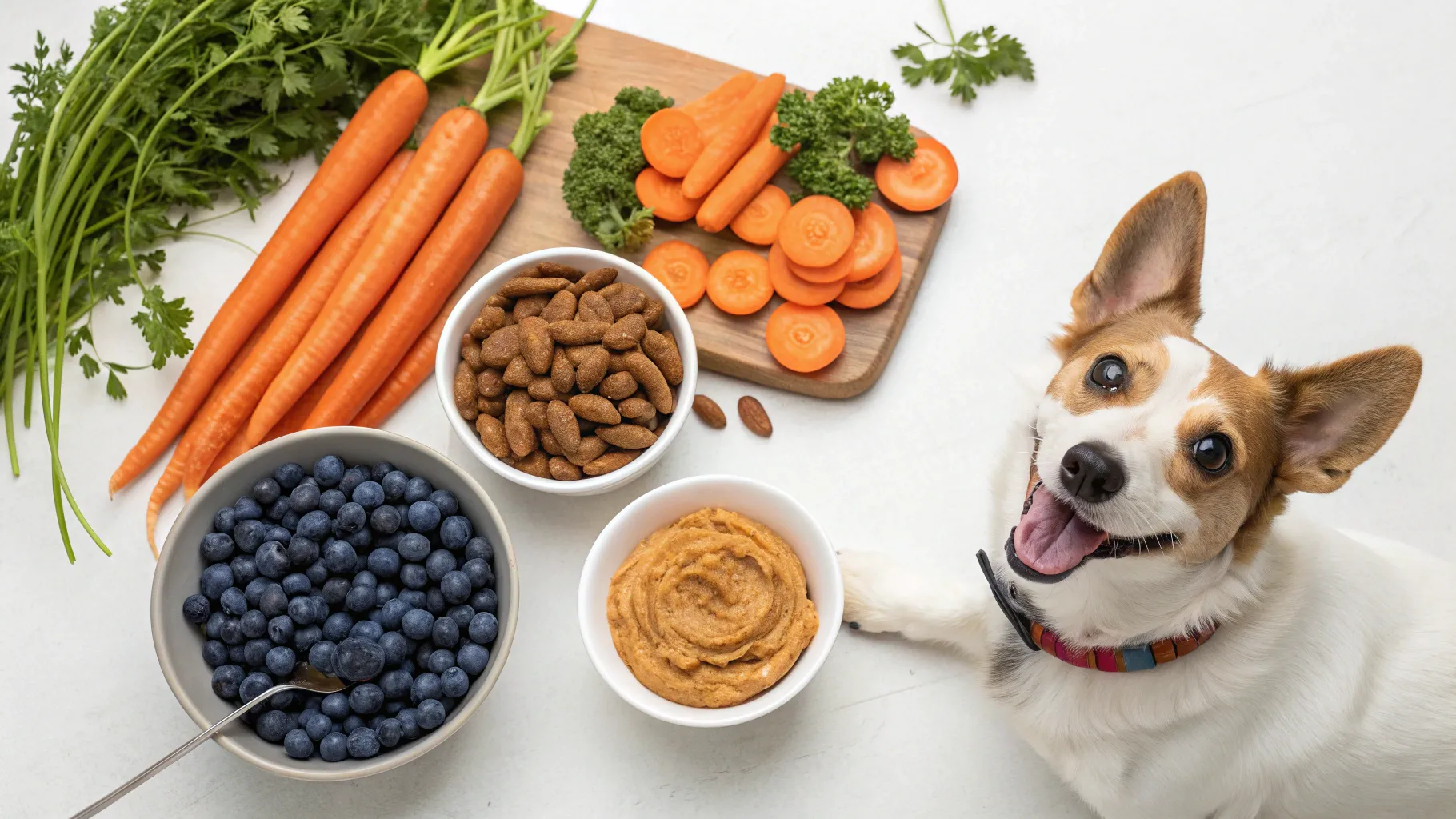
- Carrots: High in fiber and beta-carotene, carrots are a perfect treat for dogs. Their crunchy texture not only makes them enjoyable to chew, but they also help with dental health by reducing plaque and tartar buildup.
- Sweet Potatoes: Rich in vitamins A, B6, and C, along with fiber, cooked sweet potatoes are a superb option for added nutrition. Whether mashed or cut into small pieces, these are an excellent snack that can support digestive health, but raw sweet potatoes should always be avoided.
- Blueberries: These tiny fruits are packed with antioxidants and are a low-calorie snack. Blueberries can be given as is or mixed into your dog’s regular meals for an extra health kick.
- Peanut Butter: A favorite for most dogs, natural peanut butter (without xylitol) not only serves as a delicious treat but is also a rich source of protein and healthy fats. It’s perfect for stuffing into dog toys to keep them entertained, but remember that moderation is key due to its high-calorie content.
- Chicken and Turkey: Plain, cooked chicken or turkey without any seasonings can be a protein-packed addition to your dog's meals. Always make sure to remove all bones and avoid giving them skin or fatty portions, as these can be harmful.
Healthy Nutrition Guide for Dogs
As we dive deeper into the world of dog nutrition, it’s crucial to ensure your pet is consuming a balanced diet. The following foods should be incorporated regularly into your dog's diet to maintain their health and vitality:
- Fish: Varieties like salmon and sardines are loaded with omega-3 fatty acids, which promote a shiny coat and healthy skin. Fish should always be cooked and have all bones removed before being served to your dog.
- Eggs: A fantastic source of high-quality protein, cooked eggs provide essential amino acids. Whether scrambled or hard-boiled, ensure that they are fully cooked to avoid any risk of bacteria.
- Rice and Pasta: Plain cooked rice and pasta can be gentle on your dog’s stomach, providing easy-to-digest energy. They are excellent for mixing in with other more nutritious ingredients to provide balance.
- Green Beans: Low in calories and high in fiber, green beans can be a great addition to your dog’s meals. Served cooked, raw, or even frozen, they make a great crunchy treat, especially in hot weather.
While these food choices can enhance a dog's diet, always introduce new items gradually and watch for any adverse reactions. Moreover, consulting with a veterinarian can provide you with tailored advice to fit your dog's specific health needs.
Foods That Are Toxic to Dogs
While many human foods are safe, some common household items can pose serious health risks to dogs. Understanding what to avoid is just as important as knowing what foods are safe. Here’s a list of some of the most dangerous foods:
- Chocolate: Chocolate contains theobromine, which is toxic to dogs. Even small amounts can lead to severe symptoms like vomiting, diarrhea, and in extreme cases, seizures or even death.
- Grapes and Raisins: These seemingly harmless fruits can lead to acute kidney failure in dogs. It’s crucial to keep grapes and raisins well out of reach, as even small quantities can be deadly.
- Onions and Garlic: Both can damage dogs’ red blood cells, leading to anemia. Even small quantities can be harmful, so it’s best to steer clear of any food seasoned with these ingredients.
- Xylitol: Found in sugar-free products, xylitol can cause a dangerous drop in blood sugar leading to potential seizures or liver failure. Be vigilant about reading ingredient labels on commercial treats.
To safeguard your pet, always keep potentially harmful foods out of reach. Proper education on dog nutrition is the first step in preventing accidental poisoning.
Choosing Natural Treats for Your Dog
Selecting the right treats for your dog is just as important as their meals. Many commercial treats are laden with preservatives and unnecessary additives. Instead, consider these wholesome, natural alternatives:
- Dried Meat Treats: Homemade dehydrated treats using lean meats like chicken, beef, or lamb make for a nutritious high-protein snack without harmful chemicals.
- Fruit Snacks: Small pieces of safe fruits like apples, bananas, or watermelon can be a delightfully refreshing treat packed with vitamins. Always remember to remove seeds and pits, which can be harmful.
- Frozen Treats: Blend dog-safe fruits with yogurt, pour into molds, and freeze to create refreshing snacks that help keep your pooch hydrated during warmer seasons.
- Pumpkin Pulp: Canned pumpkin (not the spiced variant) is excellent for digestion, due to its fiber content, and it is a filling yet low-calorie treat that many dogs find irresistible.
Maintaining your dog's health should be an enjoyable journey filled with exploration and experimentation. In 2025, as new pet care products and knowledge emerge, engaging with your dog’s diet can strengthen your bond. Discovering their likes and preferences along the way can lead to joyful moments and a thriving, happy dog. So, prioritize their well-being, consult your vet when in doubt, and watch your furry friend enjoy a nutritious diet that supports their vigor and contentment!
Authored by FreshLifeWire team