Roof Installation Cost in 2026 All You Need to Know
Understanding Roof Installation Cost 2026
The cost of roof installation is an essential consideration for homeowners, especially with the anticipated changes in material prices, labor costs, and regional variations into 2026. As of now in 2025, analyzing these factors will help homeowners plan effectively for their roofing projects.
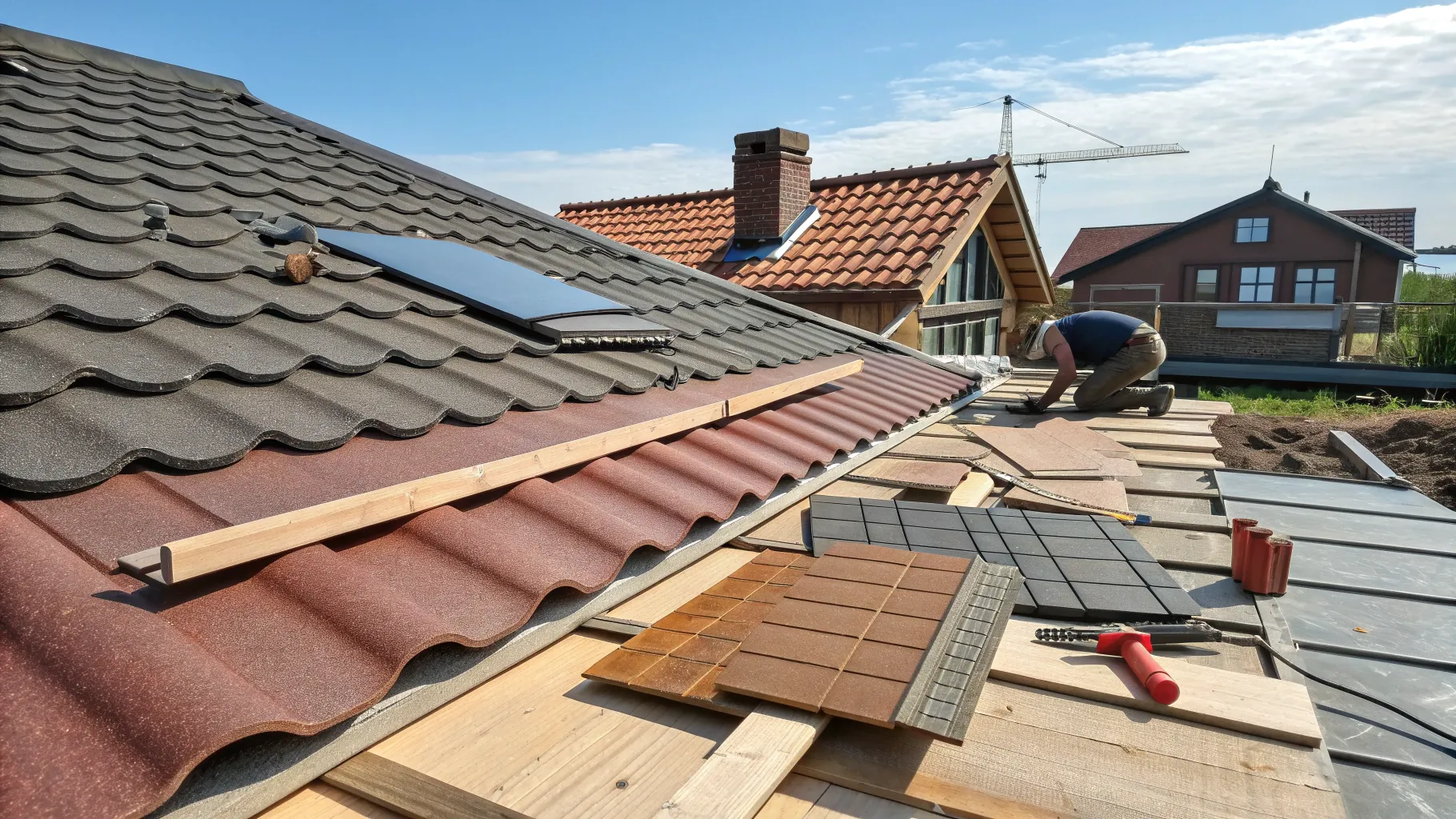
Roofing Material Prices
In 2026, the prices of roofing materials are projected to reflect ongoing economic trends. Currently, materials such as asphalt shingles, metal roofing, and tile are subject to fluctuations. For instance, asphalt shingles average around $90 to $100 per square when purchased. However, recent supply chain issues and increased demand have raised awareness of the potential for further increases. By 2026, industry experts predict a potential 5-10% increase in these costs depending on geopolitical and environmental factors.
- Asphalt Shingles: Typically the most affordable option, but growing prices mean homeowners should be prepared for costs approaching $110 per square.
- Metal Roofing: Known for durability, prices can reach $350 to $700 per square, potentially climbing higher as global steel prices fluctuate.
- Tile Roofs: These luxurious options are the priciest, averaging between $800 to $1,200 per square.
These materials vary not just in price but also in longevity and maintenance requirements. So, while a more expensive roof may seem daunting, it might save costs in repairs and replacements over time.
Labor Costs for Roofing
Labor costs play a significant role in the overall roof installation expense. Currently, skilled labor shortages are pushing rates higher, with average labor costs ranging from $60 to $80 per hour. By 2026, these labor expenses could see a rise by up to 15% due to the growing demand for experienced roofing professionals and the overall economy's recovery. It’s crucial to factor in not just the daily labor rates, but also potential overtime costs for larger installations.
For complex installations or specialty roofing options, labor could lead to added charges, which homeowners must keep in mind. It’s wise to obtain multiple quotes and ensure that estimates are thorough, covering all aspects of the installation, including cleanup and disposal of the old materials.
Regional Price Variations
Another key element in determining roof installation cost in 2026 is the regional variations in pricing. Depending on where you live, material and labor costs can vary significantly. For example:
- East Coast: Areas like New York and New Jersey tend to have higher labor costs, often exceeding $100 per hour due to union rates and a larger cost of living.
- Midwest: States like Ohio and Michigan may offer lower labor rates, but roofing materials are still affected by transportation costs from production to site.
- West Coast: California has high material costs due to stringent regulations and demand, which also affects contractor rates.
These pricing disparities highlight the importance of considering your local market when estimating overall costs. Homeowners should be aware that the costs reflected online or in national averages may not apply to their specific situation.
Financing and Payment Options
For many homeowners, the cost of roof installation can be daunting. Fortunately, various financing options are available that can ease the burden. Companies often provide financing plans, allowing for monthly payments that fit comfortably within a household budget.
Such options can include:
- Installment Plans: Allows payments to be spread over a specified period, reducing upfront costs.
- Home Equity Loans: Tapping into home equity can provide necessary funds for substantial renovations, but this comes with its own risks.
- Credit Card Financing: While convenient, it’s important to be cautious of high-interest rates.
Always read the fine print and understand what kind of repayments will be expected. Assess your financial situation carefully before committing to any agreements. It’s also wise to consult a financial advisor to determine the best strategy for your circumstances.
Warranty and Maintenance Costs
Considering warranties and ongoing maintenance are crucial parts of the roof installation cost equation. Many roofing materials come with manufacturer warranties ranging from 25 years for asphalt shingles to lifetime warranties for some tile and metal products. However, the cost for maintenance will vary based on the type of roofing material chosen and its durability.
For example, while metal roofs require less frequent maintenance, other materials may need annual inspections to ensure longevity. The average homeowner spends around $300 annually on maintenance, which is something to consider in the overall budgeting for roof upkeep in future years.
- Routine Inspections: Essential to identify and address problems before they escalate.
- Repairs: Budgeting for unexpected repairs can save money in the long run, especially in regions prone to severe weather.
Ultimately, understanding the long-term costs associated with any roofing installation will allow homeowners to make informed decisions that balance immediate costs with long-lasting value.
As 2026 draws closer, staying informed about these varied aspects of roof installation costs not only helps in planning your budget but also ensures that your home remains a safe, protected space for years to come. Investing in a new roof is an important decision that requires thorough research and consideration of all related costs to maximize value and satisfaction.
Authored by FreshLifeWire team