Robotic Knee Replacements Transforming Orthopedic Surgery
Understanding Robotic Knee Replacements
The world of orthopedic surgery has undergone significant transformations in recent years, particularly with the introduction of robotic knee replacements. As of 2025, this innovative technology continues to revolutionize how surgeons approach knee arthroplasty, providing enhanced precision and better outcomes for patients.
What are Robotic Knee Replacements?
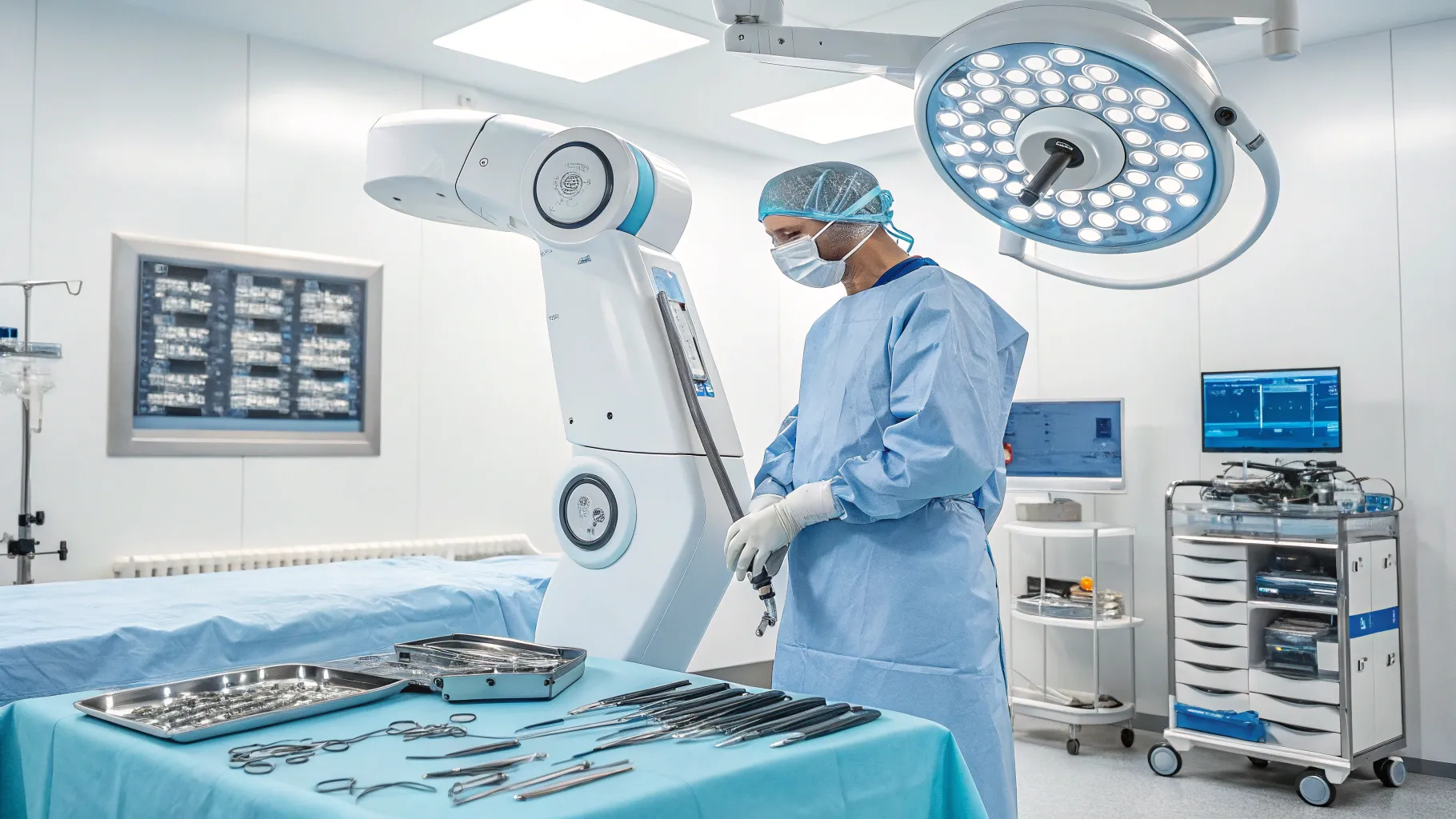
Robotic knee replacement involves the use of advanced robotic systems that assist surgeons in replacing damaged knee joints with artificial implants. Unlike traditional knee surgeries, which rely heavily on the surgeon’s skill and experience, robotic-assisted procedures utilize computer guidance and robotic arms to ensure optimal alignment and placement of the implants. This technology minimizes human error and enhances consistency in surgical outcomes.
Statistics show that around 70% of knee replacement surgeries now incorporate robotic assistance, reflecting the growing trust in this technology among both doctors and patients. Recent studies reveal that patients who undergo robotic knee replacements experience shorter recovery times and improved mobility compared to those who have traditional procedures.
Benefits of Robotic Knee Replacements
There are numerous advantages to opting for a robotic knee replacement, which can greatly improve the patient experience:
- Precision and Accuracy: The robotic system creates a detailed, 3D map of the patient's joint anatomy, allowing surgeons to customize the procedure based on individual needs. This precision leads to better fitting implants, enhancing the longevity of the replacement.
- Less Pain: Many patients report experiencing less postoperative pain when they receive robotic knee replacements, attributed to minimized soft tissue damage during surgery.
- Faster Recovery: Patients often find they can return to normal activities in a fraction of the time compared to traditional knee replacements. On average, recovery times have improved by about 30%, allowing individuals to regain their mobility and return to their pre-surgery routines quicker.
- Lower Risk of Complications: The increased precision of robotic systems reduces the risks associated with misalignment and other common complications usually seen in traditional surgeries.
The adoption of robotic systems is making waves not only in patient outcomes but also in overall satisfaction. Approximately 90% of patients who have had robotic procedures expressed satisfaction with their results within six months of surgery.
How Robotic Knee Replacement Works
The process of robotic knee replacement begins with a thorough assessment of the patient's knee. Utilizing advanced imaging techniques, the surgeon creates a detailed 3D model of the knee, which is used to plan the surgery.
During the actual procedure, the surgeon controls a robotic arm to perform precise movements based on the preoperative planning and real-time data. The robot aids in ensuring the implant is positioned accurately, significantly improving the fit and alignment.
Postoperatively, patients benefit from a tailored rehabilitation program that continues to leverage the data gathered from the robotic system, leading to adaptive and effective recovery plans.
Technological Advances in Robotic Knee Replacement
As technology continues to advance, so do the capabilities of robotic knee replacements. Innovative systems like MAKO SmartRobotics and ROSA Knee Systems are leading the way by integrating AI and machine learning. These systems can learn from each procedure, continuously improving their algorithms and making them even more responsive to unique patient needs.
Recent data indicates that advancements in robotic-assisted surgeries could lead to even higher success rates and lower complication rates in the coming years, with suggestions that robots will eventually be able to complete certain parts of the surgery autonomously under surgeon supervision.
Patient Experiences
Patients across the globe are sharing their positive experiences with robotic knee replacements. Take, for example, Mr. Johnson, a 67-year-old retired teacher who struggled with severe arthritis in his knee. After opting for a robotic knee replacement, he was amazed at the difference just a few weeks made. "I was walking without pain within a week," he said. "It’s incredible what technology has made possible. I can even play with my grandkids again."
This is just one of many inspiring stories. Similarly, recent surveys have shown that about 85% of individuals who undergo robotic knee replacements notice significant improvements in their quality of life, with many stating that they feel more active and engaged with their daily activities.
The Future of Robotic Knee Replacements
Looking ahead, the future of robotic knee replacements is bright. Emerging technologies, including augmented reality (AR) and virtual reality (VR), are poised to play significant roles in enhancing surgical precision and patient education. With AR, surgeons can visualize the knee anatomy and surgical plan in real-time, leading to even better outcomes.
In addition, as robotic systems become more widely adopted, it is expected that costs will decrease, making this advanced technology accessible to more patients. As we continue in 2025, driving forward the integration of robotics in healthcare, these innovations herald a new era in orthopedic surgery that promises improved patient outcomes.
In summary, the advancements in robotic knee replacements signify a considerable leap in orthopedic surgery. With benefits ranging from enhanced precision and less pain to faster recovery, this technology is changing lives. As robotics continue to evolve, so too does the potential to reshape patient experiences for the better, making knee replacements safer, more effective, and even more reliable. Embracing these advancements will undoubtedly mean a brighter, more mobile future for many individuals suffering from knee ailments.
Authored by FreshLifeWire team