Robotic Hip Replacement Benefits Recovery Costs Risks
Robotic-Assisted Hip Replacement A New Era in Senior Hip Surgery
As we advance into 2025, the medical field has made great leaps forward, particularly in the realm of robotic-assisted hip surgery. These innovative techniques are transforming how we approach hip replacements, providing a blend of enhanced precision, reduced recovery times, and improved outcomes for patients, particularly seniors who are often the recipients of these surgeries.
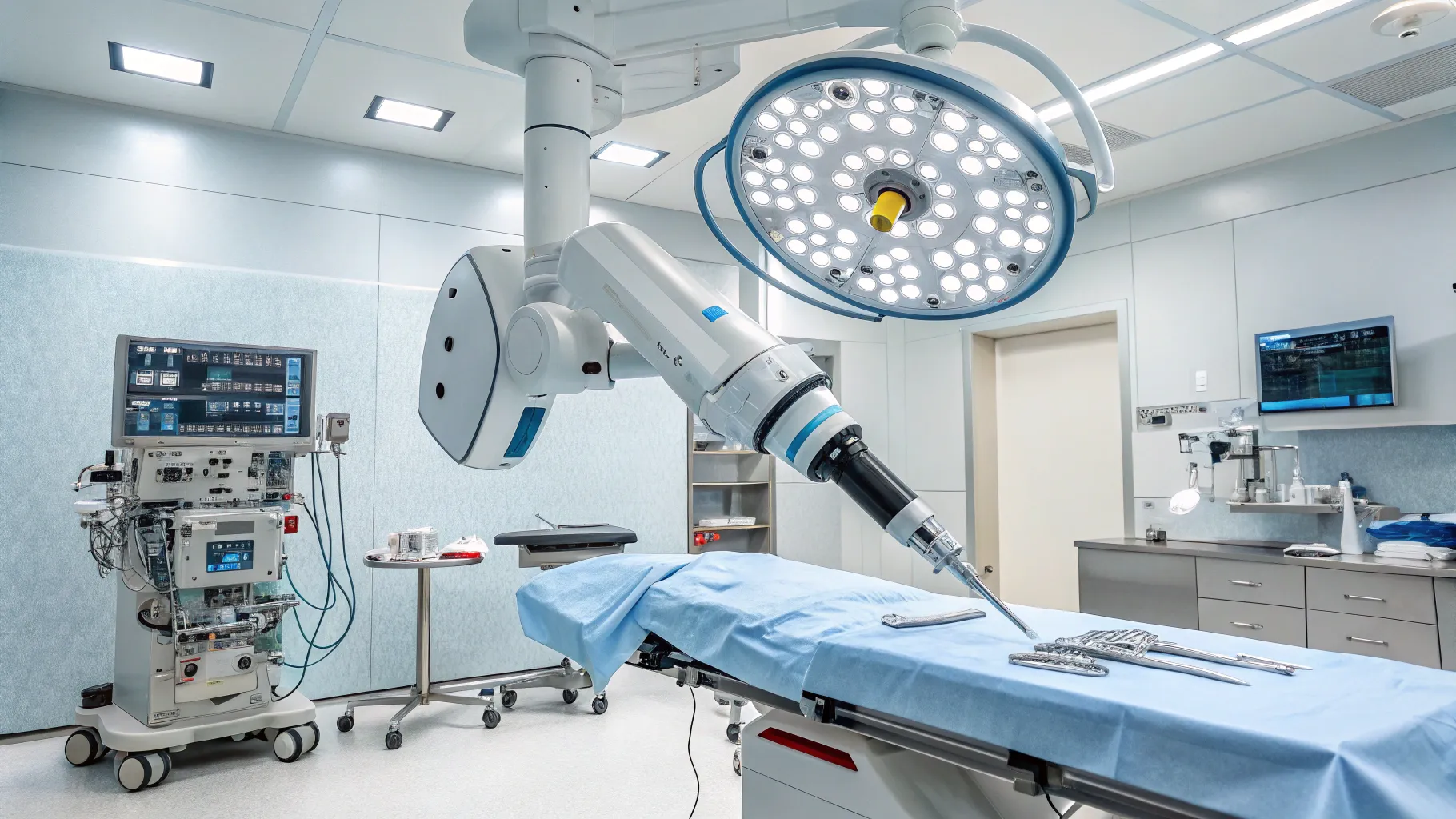
Robotic hip replacement technology allows orthopedic surgeons to perform procedures with remarkable accuracy. Utilizing advanced imaging systems and robotic arms, these surgeries minimize human error, leading to better alignment of implants and lower complication rates. This is especially significant for seniors, whose recovery may be complicated by various underlying health conditions.
Understanding the Benefits of Robotic Hip Surgery
Robotic-assisted procedures offer a multitude of advantages that set them apart from traditional methods. Some of the primary benefits include:
- Enhanced Precision: The robotic technology allows for precise measurements and real-time imaging, leading to greater accuracy in implant placement.
- Minimally Invasive Techniques: Many robotic procedures are less invasive, which typically results in smaller incisions, reduced blood loss, and a lower risk of infection.
- Faster Recovery: Patients often experience a quicker path to recovery compared to conventional surgery. Many individuals leave the hospital within a day or two, and rehab can progress faster, allowing seniors to return to their daily activities sooner.
- Improved Outcomes: Studies indicate that robotic hip replacements have a lower rate of complications, such as dislocation or implant failure, thus enhancing the long-term success rates for patients.
Cost Considerations for Robotic-Assisted Hip Replacement
While the advantages are evident, potential patients should consider the costs associated with robotic hip replacement surgery. As of 2025, the average cost of this advanced surgery ranges between $40,000 to $70,000, depending on the facility and geographic location. This price is generally higher than traditional hip surgeries, which can be attributed to the sophisticated technology and training required.
However, many patients find the investment worthwhile due to the reduced overall recovery costs and less time spent away from work or responsibilities. Furthermore, insurance plans increasingly cover a portion of robotic surgeries as evidence of their effectiveness grows. Patients should consult with their insurance providers to understand coverage and out-of-pocket expenses.
Real-World Examples of Robotic Hip Surgery
A significant case study emerges from a hospital in Michigan that implemented robotic-assisted hip replacements in late 2024. In the first six months of using this technology, the institution reported a 30% decrease in post-operative complications compared to traditional methods. Patients also noted considerably less pain during recovery and a greater range of motion after surgery.
Another inspiring example comes from a 67-year-old lady who underwent robotic-assisted hip replacement earlier this year. She reported resuming her normal activities within weeks, something her physician noted typically takes much longer with traditional methods. This highlights how the innovative approach is not only a technological advancement but one that markedly improves the quality of life for seniors.
Rehabilitation and Recovery after Robotic Hip Surgery
Recovery and rehabilitation following robotic hip replacement surgery involve a personalized care plan tailored to each patient's unique needs. Using minimally invasive techniques, patients often experience less postoperative pain, allowing for earlier commencement of rehabilitation exercises.
Physical therapy typically begins within days post-surgery. This early intervention can significantly enhance recovery, helping seniors regain strength and mobility. Therapists often employ specialized programs that build on the client's existing abilities, addressing mobility and strength issues with targeted exercises.
The process can vary, but many patients find they can resume normal daily activities with minimal assistance within weeks. It is essential for patients to adhere to the prescribed rehabilitation routine, including exercises to strengthen the hip area, flexibility training, and walking regimens. The commitment to rehab is critical in achieving optimal outcomes.
Risks Involved in Robotic-Assisted Surgery
While the benefits are substantial, it is also important to discuss the risks associated with robotic hip replacement surgeries. As with any surgical procedure, complications can arise, including:
- Infection: Despite improvements in surgical techniques, there remains a risk of infection post-operatively.
- Blood Clots: Patients may develop deep vein thrombosis due to reduced mobility during recovery.
- Implant Issues: Although rare, complications can occur related to the implant, necessitating further surgery.
Patients should engage in thorough discussions with their orthopedic surgeons to weigh the risks against the potential benefits. Understanding that robotic-assisted surgery is not a one-size-fits-all solution is crucial. Surgeons can provide personalized assessments based on individual health history and activity levels.
In summary, robotic-assisted hip replacement is revolutionizing the way hip surgeries are performed, particularly for seniors. By focusing on precision, minimally invasive techniques, and faster recovery times, it presents a compelling option in hip surgery, despite certain costs and risks involved. As this technology continues to evolve, the positive outcomes it offers could reshape the future of hip surgery for countless patients in need.
Authored by FreshLifeWire team