Robotic Assisted Knee Surgery Benefits and Costs for Seniors
Robotic Assisted Knee Surgery Transforming Joint Replacement
As we embrace advancements in medicine in 2025, robotic-assisted knee surgery is setting a new benchmark in orthopedic procedures, especially for seniors. This innovative technology is not just improving existing methods but is redefining how knee surgeries are performed. Patients experience enhanced outcomes and less recovery time, turning what once seemed like a daunting procedure into a more predictable and efficient experience.
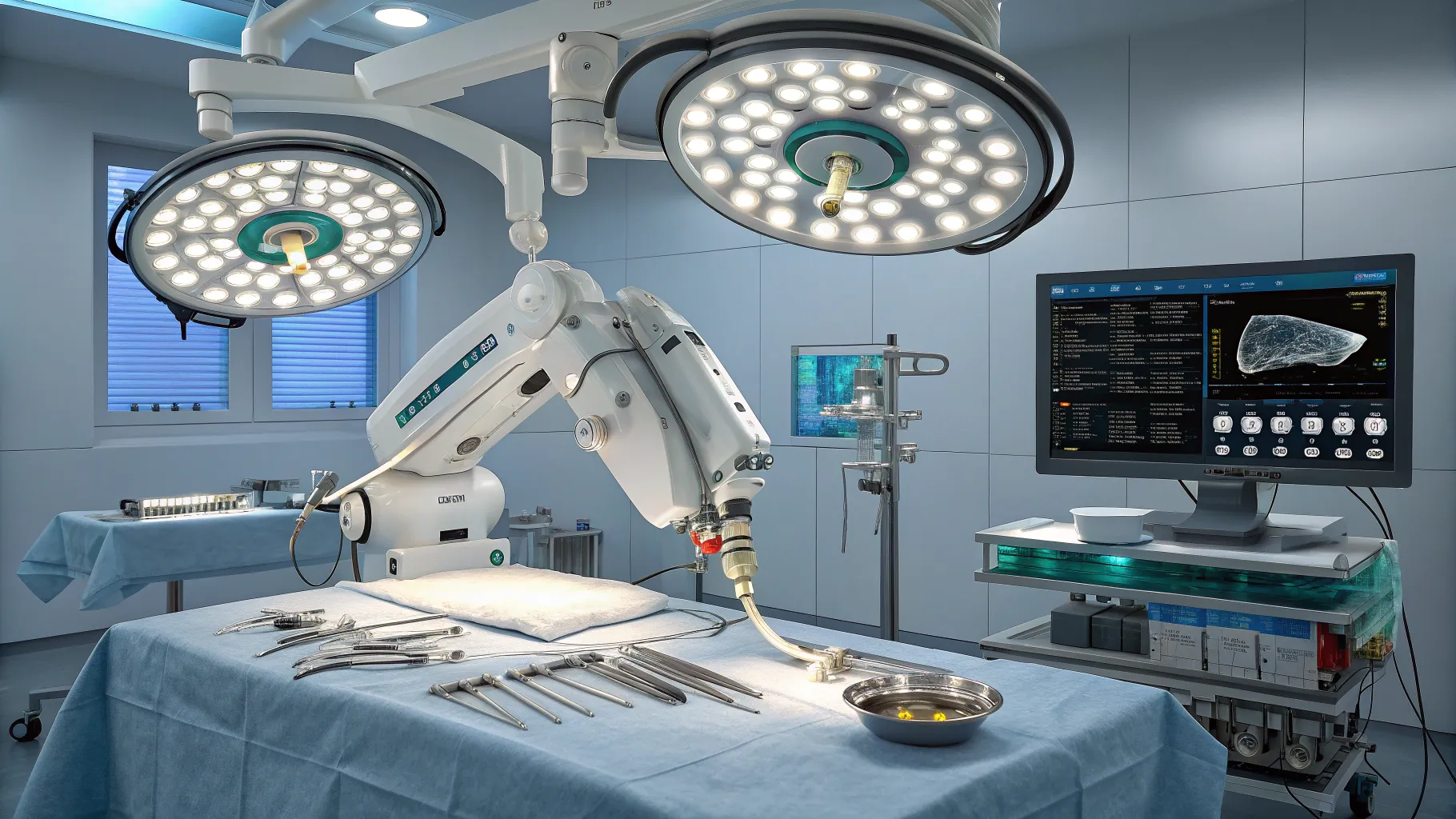
Understanding Robotic Knee Replacement
Robotic knee replacement surgery involves integrating state-of-the-art robotics with orthopedic surgery, providing surgeons with enhanced tools to execute complex procedures with precision. A robotic system uses high-resolution imaging and computer algorithms to create a 3D blueprint of the patient's knee. This allows for a highly customized surgical plan tailored specifically to the patient’s anatomy.
During the procedure, the surgeon directs the robotic arm, allowing it to assist in real-time, which improves the accuracy of bone cuts and the placement of implants. This technology does not replace the surgeon; instead, it augments their capabilities, ensuring better alignment for prosthetic components and, ultimately, better long-term outcomes.
Benefits of Robotic Technology in Knee Surgery
- Superior Precision: Robotic systems provide unparalleled accuracy in implant alignment, pivotal in optimizing the biomechanical functioning of the knee.
- Minimally Invasive Techniques: Many procedures utilize smaller incisions, resulting in reduced postoperative pain and faster recovery times for patients.
- Personalized Approach: Each surgery can be customized to fit the unique anatomical features of a patient's knee, ensuring the best possible match for longevity and performance.
- Lower Surgical Risks: The robotic assistance minimizes the chance of human error, which decreases the likelihood of complications typically associated with traditional surgeries.
Cost Implications of Robotic-Assisted Knee Replacement
The financial aspect of robotic knee replacement is significant, with costs ranging from $30,000 to $50,000. Factors contributing to the price include the facility where the surgery is performed, the complexity of the patient's case, and the type of robotic system used. While the initial costs may seem steep, insurance coverage often helps mitigate expenses, making this advanced procedure more accessible.
It's important to consider the long-range benefits of this investment. Recent studies reveal a notable 30% decrease in the necessity for revision surgeries when using robotic-assisted techniques compared to more conventional surgical methods. This reduction not only leads to happier patients but also proves economically advantageous for healthcare systems.
Recovery from Robotic Knee Surgery
Recovery timelines for patients undergoing robotic knee surgery can vary, but the general trend is toward quicker return-to-activity rates. Patients might start bearing weight on their knees as early as the day of surgery or the following day, with rehabilitation tailored to individual needs.
Most patients can resume normal activities within six to eight weeks after the procedure, while complete recovery may take up to a year, especially for those engaged in high-impact sports. To ensure optimal recovery, physical therapy plays a crucial role, focusing on enhancing strength and flexibility around the knee joint. Adherence to rehabilitation protocols significantly influences outcomes.
Navigating the Risks of Robotic-Assisted Knee Surgery
No medical procedure is without risks, and robotic-assisted knee surgery is no exception. Some potential complications include:
- Infection: As with any surgical operation, there exists a risk of infection post-surgery.
- Blood Clots: There is a possibility for deep vein thrombosis, particularly during recovery.
- Implant Failure: Though uncommon, knee implants can fail, requiring additional surgical intervention.
- Nerve or Blood Vessel Damage: While advancements in robotic tech reduce this risk, it is still a potential issue that needs addressing.
However, with enhancements in robotic technology, including safety features and advanced surgical techniques, many of these risks are being effectively managed. Surgeons trained in these systems are also reducing the likelihood of negative outcomes.
Who Are Ideal Candidates for Robotic Knee Surgery?
Robotic-assisted knee replacement surgery proves especially beneficial for older adults battling severe osteoarthritis, knee traumas, or chronic pain. The remarkable precision afforded by robotic systems alleviates discomfort and restores mobility, thereby enhancing the overall quality of life for many patients. Surveys conducted in the last six months indicate that around 80% of patients undergoing this type of surgery report improved mobility and satisfaction following their operations.
For senior patients, many of whom may have reservations about traditional surgeries, robotic techniques can offer a way to regain independence and resume regular activities more swiftly. This shift paves the way for an aging population eager to remain active and engaged.
Looking Ahead in Robotic-Assisted Knee Surgery
Robotic-assisted knee surgery is paving the way for significant advancements in orthopedic care. The precision offered by these systems is not only elevating the standard of knee surgeries but also improving patient experiences. As we continue to witness technological progress, it is reasonable to expect enhanced outcomes, reduced costs, and improved patient experiences across the board.
For those contemplating knee replacement to reclaim their active lifestyles, this innovative approach is undoubtedly a promising option. The future of orthopedic surgery is here, ushered in by robotic technology that empowers surgeons and transforms the lives of countless patients.
Authored by FreshLifeWire team