Robot Vacuums vs Traditional Vacuums A Complete Guide
Understanding the Difference Between Robot Vacuums and Traditional Vacuum Cleaners
The home cleaning landscape has shifted dramatically in recent years, leading to a crucial comparison between robot vacuums and traditional vacuum cleaners. Each has its own unique features, functionalities, and intended uses that contribute to a cleaner, more comfortable home. The question arises: what is the difference between robot vacuums and traditional vacuum cleaners?
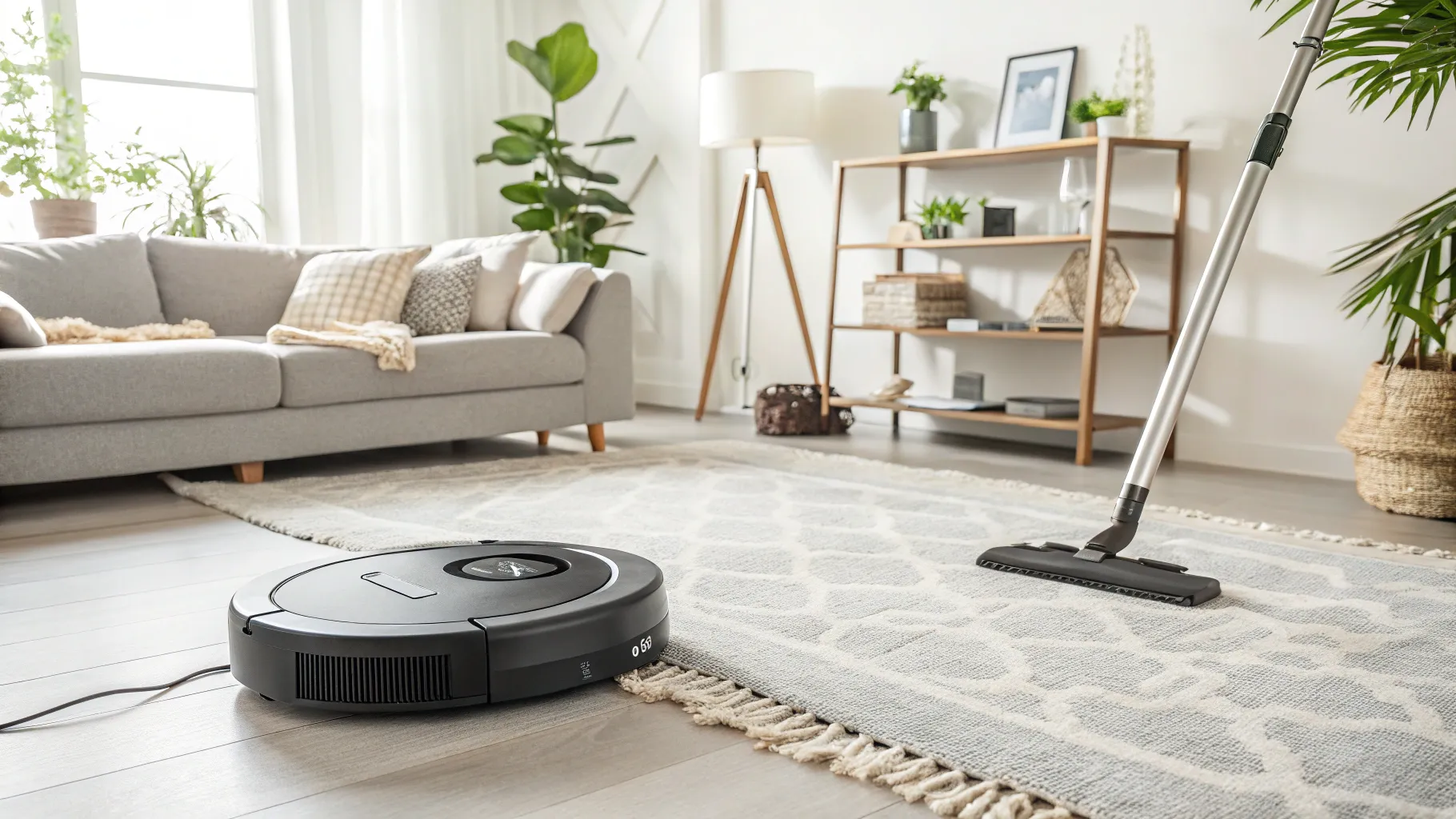
How Do Robot Vacuums Navigate Compared to Traditional Vacuums?
Robot vacuums utilize advanced technology like sensors, cameras, and mapping algorithms to navigate your home. They can detect obstacles, find their way around furniture, and even create a map of your floors as they clean. For example, models like the iRobot Roomba have sophisticated navigation systems that can efficiently clean different floor types, remembering where they've already been, which keeps them from re-cleaning the same areas.
In contrast, traditional vacuums are manual appliances requiring physical movement across your floors. Users must navigate around furniture and obstacles themselves, potentially missing spots or having to go over the same area multiple times for effective cleaning.
Advantages and Disadvantages of Robot Vacuums Versus Traditional Vacuums
When you think about the advantages of robot vacuums, convenience tops the list. They operate autonomously, allowing for hands-free cleaning, and can be set to run at times that suit you best, such as when you're at work or asleep. Some recent models have even included integration with smart home systems for added control.
- Advantages of Robot Vacuums:
- Autonomous cleaning capabilities
- Recharge automatically
- Compact design for easy storage
- Can clean while you are away
- Disadvantages of Robot Vacuums:
- May struggle with high-pile carpets
- Small dustbins fill quickly
- Can be more expensive than traditional vacuums
Are Robot Vacuums as Effective on Carpets as Traditional Vacuums?
This question often arises among potential buyers. While robots have improved significantly, they aren’t all created equal regarding carpet cleaning. Models with more powerful suction and specialized brushes can perform quite well. For instance, recent reviews show that some high-end robot vacuums manage to pull dirt from carpets effectively. However, they generally have a harder time with thicker or shag carpets when compared directly to traditional upright or canister models. If your home has significant carpet coverage, a traditional vacuum may be the better choice.
Energy Consumption of Robot Vacuums Compared to Traditional Vacuum Cleaners
In the context of energy efficiency, robot vacuums typically consume less power than traditional vacuum cleaners. Most robot vacuums use around 30 to 50 watts during operation, while traditional models can draw anywhere from 500 to 1200 watts depending on the model and purpose. Over a month’s worth of cleaning, the energy savings from using a robot vacuum may lead to a noticeable difference in your electricity bill. Thus, if you are environmentally conscious or looking to save costs, robot vacuums can offer long-term benefits.
History and Development of Robot Vacuum Technology
The concept of robotic vacuum cleaners began taking shape in the early 1990s, but it wasn't until the early 2000s that these machines hit the market. The first widely recognized robotic vacuum was the Roomba, launched in 2002 by iRobot. This innovative product captivated homeowners with the promise of automated cleaning. Over the years, advancements in battery life, sensors, and even artificial intelligence have led to the cutting-edge models available today. In 2025, the evolution continues, with many models featuring self-emptying capabilities and enhanced suction power.
Lifespan of Robot Vacuums Versus Traditional Vacuum Cleaners
When comparing lifespan, traditional vacuum cleaners generally offer a longer service life. They can last between 5 to 10 years with proper care, while robot vacuums may have a lifespan of about 3 to 5 years. However, as technology progresses, some high-end models are breaking these norms and can last longer with consistent updates and maintenance. Investing in a good quality robot vacuum could yield years of hassle-free cleaning, but regular upkeep is essential for optimal performance and longevity.
How to Maintain Robot Vacuums Compared to Traditional Vacuums
Maintaining robot vacuums can be quite simple yet must be done regularly to ensure that they work efficiently. It often involves emptying the dustbin after each use, cleaning the filters every few weeks, and checking the brushes for hair or debris that might impede performance. Tools and replacement parts are typically designed for easy access and replacement.
In contrast, traditional vacuums require differing levels of care based on whether they are bagged or bagless. Bagged vacuums need their bags changed regularly, while bagless models require you to clean and maintain filters in a manner similar to robot vacuums. Moreover, traditional vacuum motors may require more significant care and may necessitate professional servicing after prolonged use.
As you decide between robot vacuums and traditional vacuum cleaners, it’s essential to weigh these differences, advantages, and maintenance requirements. Your specific cleaning needs, such as the type of flooring in your home or how often you want to clean, should guide you to the best choice tailored to your lifestyle.
Authored by FreshLifeWire team