Ultimate Review of Perennials that Bloom All Summer: A Gardener's Guide
Facts:
- Proper deadheading can double the bloom period for many perennials.
- The trend for low-maintenance, high-impact gardens is increasing demand for continuous bloom perennials.
Creating a Non-Stop Floral Display: The Best Perennials that Bloom All Summer
Designing a garden that remains vibrant from the first days of June until the first frost of autumn is the ultimate goal for many enthusiasts. The secret lies in selecting the right plants, specifically summer blooming perennials that offer a long and prolific flowering season. Unlike annuals that complete their life cycle in one year, these hardy plants return year after year, becoming the reliable backbone of any landscape design. This comprehensive perennial bloom guide will explore a variety of choices, ensuring your garden is filled with an abundance of all season flowers and captivating color throughout the warmest months. We'll delve into top performers that provide a stunning display with minimal fuss, transforming your outdoor space into a continuous botanical showcase.
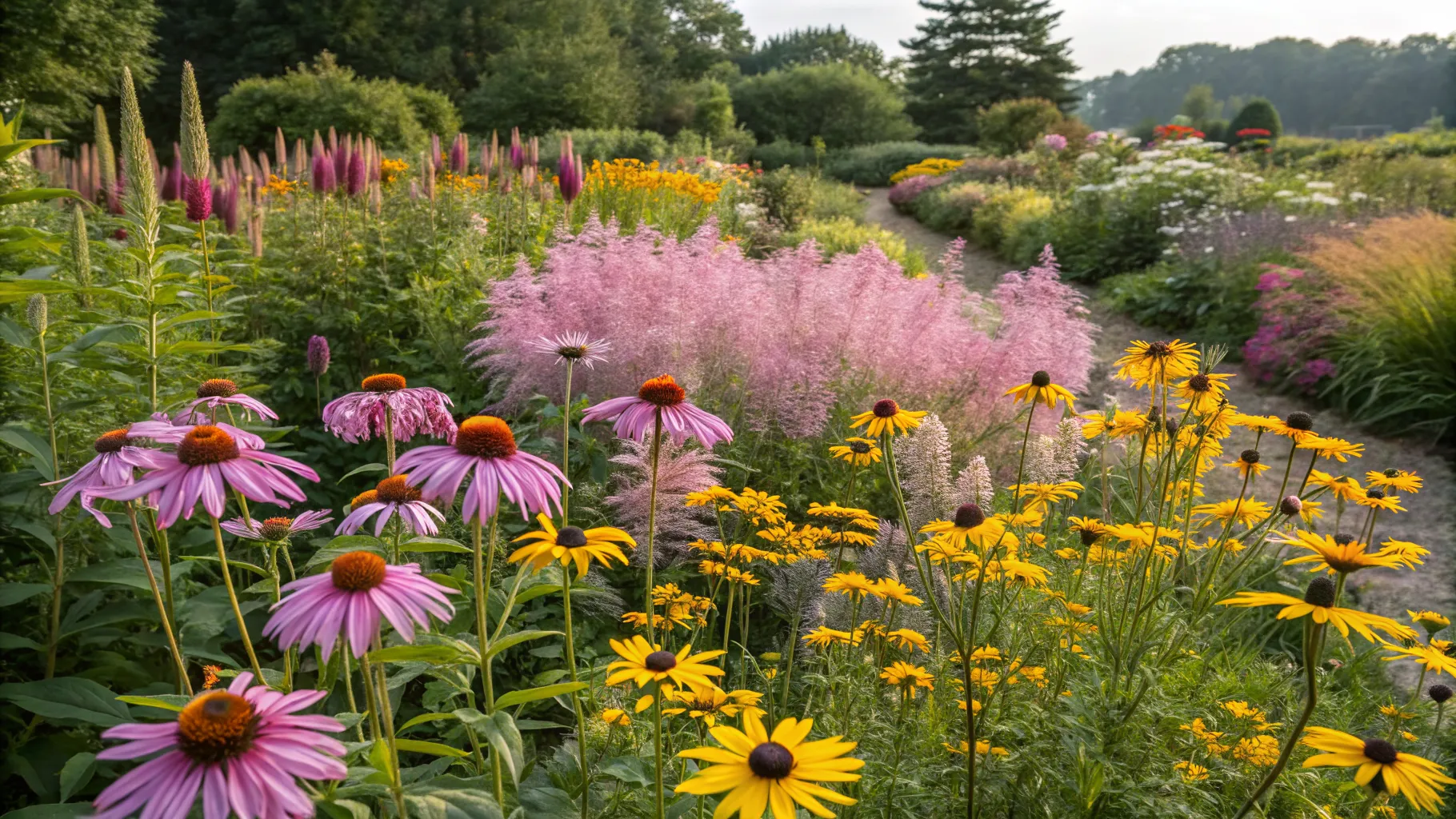
Top Picks for Sun-Loving Continuous Bloom Perennials
For those areas of your garden that receive six or more hours of direct sunlight, the options for long-blooming perennials are abundant. These sun-worshippers thrive in the heat and produce a spectacular show of color. Selecting the right summer garden flowers is crucial for achieving that coveted all-season appeal. Below are some of the most reliable and beautiful choices for sunny spots.
Rudbeckia (Black-Eyed Susan)
A quintessential summer flower, Rudbeckia offers cheerful, daisy-like golden-yellow blooms with a dark brown center. Varieties like 'Goldsturm' are famously long-blooming, starting in mid-summer and often continuing until the first hard frost. They are drought-tolerant once established and are a fantastic choice for attracting pollinators, making them a cornerstone of any collection of Perennials that Bloom All Summer.
Echinacea (Coneflower)
Once known primarily for its classic purple hue, Echinacea is now available in a dazzling array of colors, including pink, white, yellow, and orange. These sturdy summer blooming perennials not only bloom for months but also provide winter interest with their seed heads, which are a favorite of goldfinches. They are tough, low-maintenance, and a must-have for any sunny border.
Salvia nemorosa (Meadow Sage)
The spiky, vibrant purple-blue flowers of Meadow Sage are a magnet for bees and butterflies. Varieties like 'Caradonna' and 'May Night' are renowned for their ability to rebloom vigorously if sheared back after their first flush of flowers. This makes them one of the most effective continuous bloom perennials for adding vertical interest and rich color to the garden.
Shade-Tolerant Perennials for All-Season Color
Gardens with shady spots don't have to miss out on summer-long color. While the options may be fewer than for full sun, several remarkable perennials thrive in lower light conditions and provide beautiful blooms. Choosing the right plants is key to illuminating these darker corners of your landscape. These all season flowers prove that shade gardening can be just as exciting and colorful.
Astilbe (False Spirea)
With their feathery, plume-like flowers in shades of pink, red, and white, Astilbes bring texture and elegance to shade gardens. By planting a mix of early, mid-season, and late-blooming varieties, you can create a succession of blooms that lasts all summer. They prefer consistently moist soil and will reward you with a graceful, long-lasting display.
Heuchera (Coral Bells)
While primarily grown for their stunning foliage, which comes in nearly every color imaginable, many modern Heuchera varieties also produce delicate, airy sprays of flowers on tall stems throughout the summer. These flowers, often in shades of pink or white, attract hummingbirds and add a whimsical touch, making them excellent multi-purpose summer garden flowers.
A Gardener's Comparison: Low-Maintenance vs. High-Performance Bloomers
When planning your garden, it's essential to understand the trade-offs between different types of Perennials that Bloom All Summer. Some, like Yarrow (Achillea) and Russian Sage (Perovskia), are incredibly drought-tolerant and thrive on neglect once established, offering reliable color with minimal water or fertilizer. They are perfect for hot, dry areas and gardeners seeking a low-maintenance landscape. On the other hand, high-performance bloomers like Delphiniums and certain varieties of Phlox may require more attention, including regular watering, staking, and deadheading, to achieve their spectacular, continuous floral displays. While these continuous bloom perennials demand more work, the payoff is often a more lush, classic cottage-garden aesthetic. A successful perennial bloom guide will always advise balancing these types to match your climate, soil, and the amount of time you wish to dedicate to garden chores.
Actionable Guide to Maximizing Blooms All Summer
Getting the most out of your summer blooming perennials involves more than just planting them. Proper care and maintenance are crucial for encouraging a long and healthy flowering season. Follow these steps to ensure your garden is a riot of color from June to September.
- Consistent Deadheading: This is the single most important task. Regularly remove spent flowers before they set seed. This tricks the plant into producing more blooms in an effort to reproduce. For plants like Salvia and Coreopsis, this can stimulate multiple new waves of flowering.
- Appropriate Fertilizing: Use a balanced, slow-release fertilizer in the spring as new growth emerges. Avoid high-nitrogen fertilizers, which can promote lush foliage at the expense of flowers. A light compost top-dressing mid-season can also provide a gentle boost to all season flowers.
- Proper Watering: Water deeply but infrequently to encourage deep root growth. Most perennials prefer about one inch of water per week, either from rainfall or irrigation. Morning watering is best to reduce the risk of fungal diseases.
- Divide and Conquer: Every few years, divide overgrown perennial clumps in the spring or fall. This reinvigorates the plant, improves air circulation, and provides you with new plants to expand your garden or share with friends.
Designing Your Garden with Summer Garden Flowers
A successful garden design using Perennials that Bloom All Summer goes beyond simply choosing the right plants; it involves arranging them thoughtfully. Consider the principles of layering, planting taller perennials like Delphinium or Hollyhocks at the back of the border, mid-height plants like Echinacea and Phlox in the middle, and low-growing options like Geranium 'Rozanne' at the front. This creates depth and a full, lush look. Also, think about color theory. You can create a harmonious look with analogous colors (like blues and purples) or a dynamic, exciting feel with complementary colors (like purple and yellow). By strategically placing your summer garden flowers, you can create a cohesive and visually stunning landscape that provides joy all season long.
Frequently Asked Questions
What are the easiest summer blooming perennials to grow for beginners?
For beginners, some of the most forgiving and reliable choices include Black-Eyed Susans (Rudbeckia), Coneflowers (Echinacea), and Daylilies (Hemerocallis). These plants are adaptable to a wide range of soil types, are relatively drought-tolerant once established, and require minimal care to produce a profusion of blooms.
How do I ensure my all season flowers come back every year?
The key to perennial longevity is choosing plants rated for your specific hardiness zone. Ensure they have the correct light and soil conditions. In the fall, after the first hard frost, you can cut back most perennial foliage, but leaving some stems can provide winter interest and protection. Applying a layer of mulch after the ground freezes can help insulate the roots from harsh winter temperatures.
Can I plant Perennials that Bloom All Summer in containers?
Absolutely! Many perennials thrive in containers. Choose compact varieties like dwarf Salvia, Coreopsis 'Nana', or Catmint (Nepeta). Ensure the pot has excellent drainage and is large enough to accommodate the plant's mature root system. Remember that container plants require more frequent watering and fertilizing than those in the ground.
References
- The Royal Horticultural Society Encyclopedia of Perennials
- American Horticultural Society A-Z Encyclopedia of Garden Plants
- Local University Extension Gardening Guides
- The Well-Tended Perennial Garden by Tracy DiSabato-Aust
Authored by FreshLifeWire team