A Comprehensive Review of the Most Popular Perennial Plants for Your Garden
Facts:
- Perennials are plants that can live for more than two years.
- Low-maintenance landscaping is a major trend for home gardens.
Your Ultimate Guide to the Most Popular Perennials
Creating a vibrant garden that returns year after year is a dream for many, and the key lies in selecting the right plants. This comprehensive perennial plant guide is designed to navigate you through the world of lasting blooms. We will explore the most popular perennials that offer not only stunning beauty but also remarkable resilience, making your gardening journey both rewarding and manageable. From sun-loving blossoms to shade-tolerant foliage, understanding these popular garden perennials is the first step towards a flourishing, low-maintenance landscape.
In-Depth Reviews of Top-Rated Perennial Flowers
1. Coneflower (Echinacea)
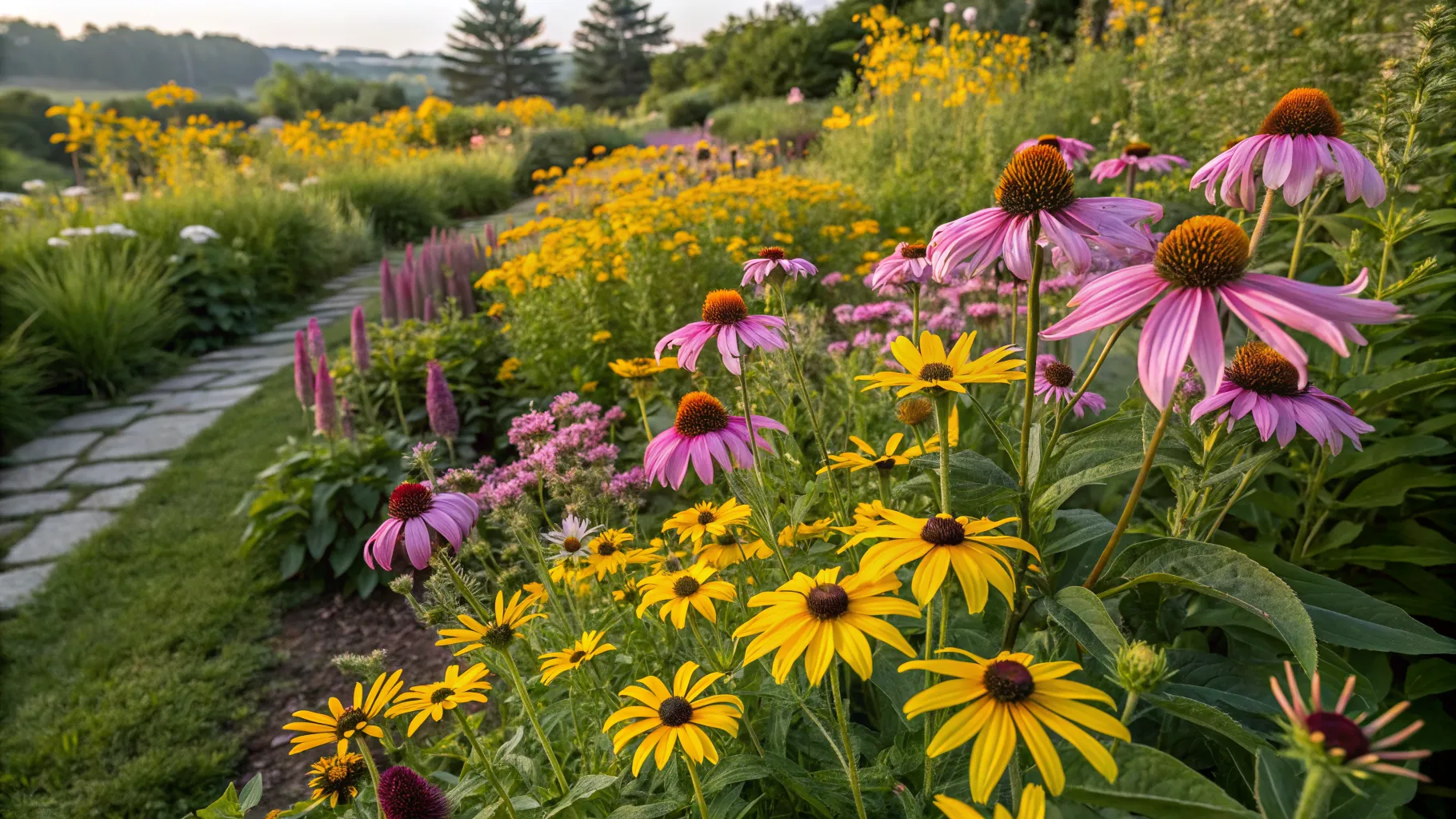
A classic choice for any sunny garden, Coneflowers are renowned for their daisy-like blooms and prominent central cones. These hardy flowering perennials are drought-tolerant once established, making them perfect examples of easy care perennials. They attract pollinators like bees and butterflies, adding life and movement to your garden from mid-summer until frost. Their long stems also make them excellent for cut flower arrangements.
2. Hosta (Plantain Lily)
For those shady corners of the garden, Hostas are unparalleled. Valued primarily for their lush foliage, which comes in a vast array of greens, blues, and variegated patterns, they are among the most popular perennials for low-light areas. While some varieties produce delicate lavender or white flowers, their main appeal is the texture and color they provide all season long. Hostas are incredibly low-maintenance, requiring only consistent moisture to thrive.
3. Daylily (Hemerocallis)
Daylilies are the workhorses of the perennial world. Each flower lasts only a day, but they produce them in such abundance that the plant remains in bloom for weeks. This is one of the most adaptable popular garden perennials, tolerating a wide range of soil conditions and light levels. With thousands of cultivars available, you can find a daylily in almost any color imaginable, making them a versatile and reliable choice for any garden design.
4. Black-Eyed Susan (Rudbeckia)
Bringing a cheerful splash of golden-yellow to the late-summer garden, Black-Eyed Susans are a must-have. These quintessential perennial flowers are exceptionally tough and resilient, often self-seeding to create beautiful, naturalized drifts over time. They are fantastic for adding height and bold color, and they pair wonderfully with other late-season bloomers like asters and ornamental grasses. Their carefree nature makes them a top pick for beginner gardeners.
5. Peony (Paeonia)
Peonies are cherished for their large, fragrant, and incredibly showy blooms in late spring. These long-lived plants can thrive for decades with minimal attention, making them a treasured investment for any garden. While their flowering season is relatively short, the spectacular display is well worth the wait. After blooming, their deep green foliage remains attractive, serving as a lush backdrop for other flowering perennials that bloom later in the season.
Choosing the Right Perennial: A Quick Comparison
When planning your garden, it's crucial to compare these top contenders. For instance, while Coneflowers and Black-Eyed Susans thrive in full sun and offer extended bloom times, Hostas are the go-to solution for shady areas where foliage takes center stage. Daylilies offer unparalleled adaptability, but Peonies provide a spectacular, albeit shorter, burst of fragrance and color. This perennial plant guide emphasizes matching the plant's needs with your garden's conditions. Considering factors like bloom time, light requirements, and mature size will ensure you select the best easy care perennials for a harmonious and successful garden design.
Tips for a Thriving Perennial Garden
- Soil Preparation: Before planting any popular garden perennials, amend your soil with compost or other organic matter. Good drainage and rich nutrients are the foundation for healthy root systems and vigorous growth.
- Proper Spacing: Pay close attention to the mature size indicated on the plant tag. Giving your perennial flowers enough space to grow will improve air circulation, reduce the risk of disease, and prevent overcrowding.
- Watering Wisely: Most perennials prefer deep, infrequent watering over shallow, frequent sprays. This encourages roots to grow deeper into the soil, making the plants more drought-tolerant over time. Water in the morning to allow foliage to dry before evening.
- Mulching Benefits: Apply a 2-3 inch layer of mulch around your plants. This helps retain soil moisture, suppress weeds, and regulate soil temperature, creating an ideal environment for the most popular perennials.
Frequently Asked Questions
What are the easiest easy care perennials for beginners?
For beginners, it's hard to beat Daylilies (Hemerocallis) and Hostas. Daylilies are incredibly forgiving of different soil and light conditions, while Hostas are the perfect solution for shady spots that many other plants can't handle. Both establish quickly and require very little maintenance beyond initial watering.
How often should I divide my popular garden perennials?
Most perennials benefit from being divided every 3 to 5 years. You'll know it's time when you see reduced flowering or the center of the plant starts to die out. Dividing perennials like Hostas and Daylilies not only reinvigorates the plant but also gives you more plants to expand your garden for free.
References
- Royal Horticultural Society - Perennial Plant Guides
- The Old Farmer's Almanac - Garden Planning Resources
- University Extension Gardening Handbooks
Authored by FreshLifeWire team