A Comprehensive Review of Long Lasting Perennial Plants for All Seasons
Facts:
- Some perennials can live for over 70 years.
- Sustainable gardening with low maintenance perennials is a growing trend for homeowners.
Choosing the Best Long Lasting Perennials for a Vibrant Garden
Creating a garden that offers continuous beauty with minimal effort is the ultimate goal for many homeowners. The key lies in selecting the right plants, specifically Long Lasting Perennials that return year after year with stunning displays. Unlike annuals that require replanting each season, these hardy plants establish deep root systems, making them resilient and cost-effective over time. This review focuses on the most reliable and durable perennial flowers, providing you with the knowledge to cultivate a garden that is not only beautiful but also sustainable. We will explore top choices, essential care tips, and design strategies to ensure your garden thrives from spring through fall.
Top Picks for Perennials That Bloom All Season
The foundation of a continuously vibrant garden is a selection of perennials that bloom all season or have staggered, extended bloom times. Choosing the right combination ensures there's always something in flower. These workhorses of the garden are celebrated for their stamina and visual appeal.
Coneflower (Echinacea)
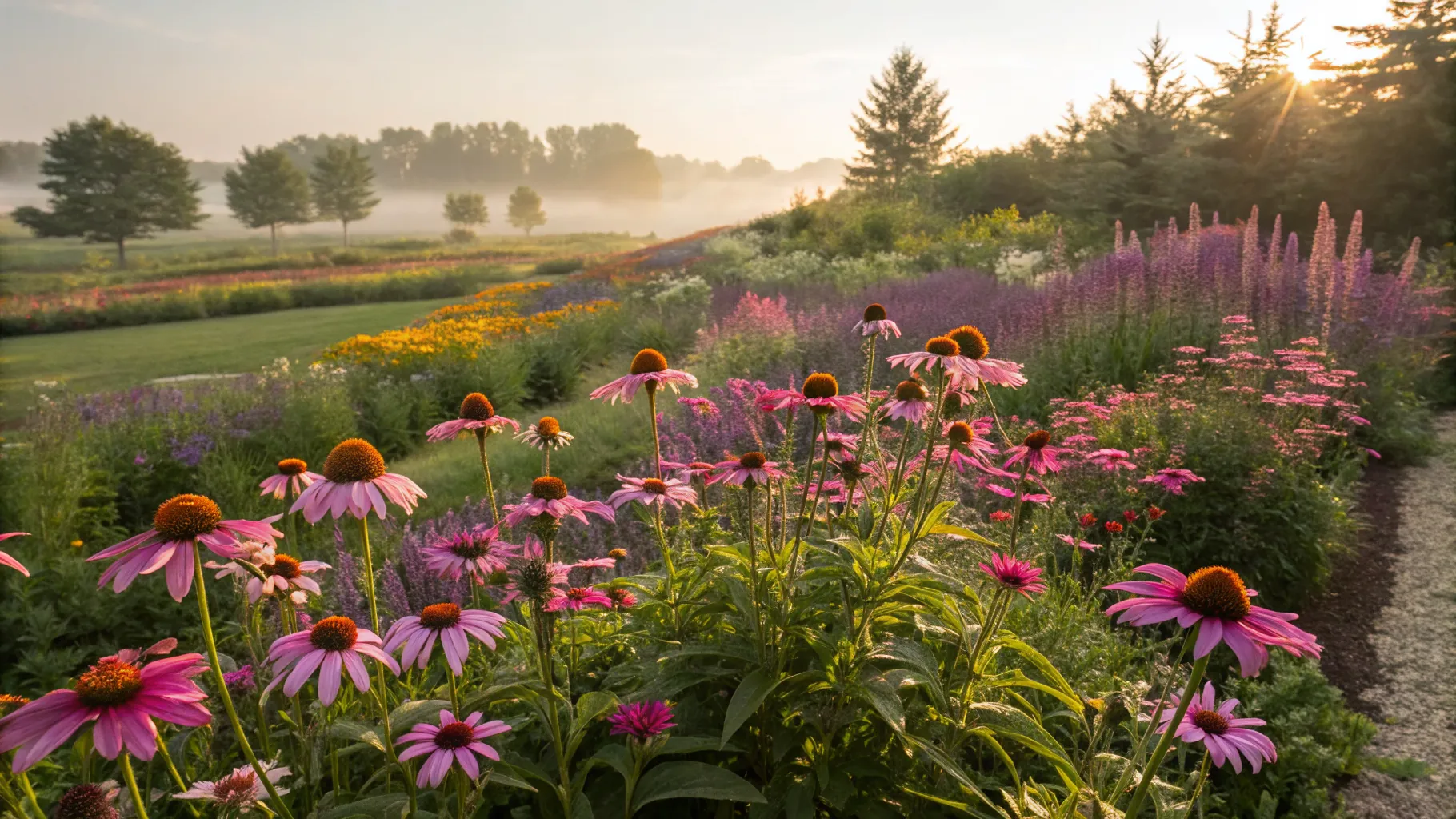
A quintessential choice for any sunny garden, the Coneflower is a champion among durable perennial flowers. Known for its iconic daisy-like flowers with raised centers, Echinacea blooms from early summer until the first frost. It's incredibly drought-tolerant once established and attracts a host of pollinators, including bees and butterflies. Proper perennial plant care for coneflowers is simple: provide full sun and well-drained soil, and they will reward you with a spectacular show year after year.
Black-Eyed Susan (Rudbeckia)
With their cheerful golden-yellow petals and dark brown centers, Black-Eyed Susans bring a burst of sunshine to any landscape. These are classic low maintenance perennials that thrive on neglect. They bloom profusely from mid-summer to fall and are excellent for cutting. As one of the most recognized Long Lasting Perennials, Rudbeckia self-seeds readily but is not aggressive, ensuring your garden remains full and vibrant without becoming overgrown.
Salvia (Sage)
For those seeking spiky, vertical interest and intense color, Salvia is an unbeatable option. Varieties like 'May Night' and 'Caradonna' produce deep violet-blue flower spikes for months on end. They are true long bloom perennials, often reblooming if deadheaded after the first flush. Salvia is deer-resistant, drought-tolerant, and a magnet for hummingbirds, making it a functional and beautiful addition to any perennial border.
Comparing Durable Perennial Flowers: Sun vs. Shade
Selecting the right plant for the right place is the most critical rule in gardening. The performance of durable perennial flowers is heavily dependent on light conditions. For sun-drenched areas, plants like Sedum 'Autumn Joy', Yarrow (Achillea), and Russian Sage (Perovskia) are excellent choices. They thrive in heat and require minimal water once established. In contrast, for shady corners of your garden, Hostas, Coral Bells (Heuchera), and Astilbe provide lush foliage and delicate flowers. While Hostas are grown primarily for their leaves, they are incredibly Long Lasting Perennials that offer texture and color where other plants might fail. Understanding these light requirements is a core component of effective perennial plant care and ensures a thriving, balanced garden.
Essential Perennial Plant Care for Year-Round Beauty
While many of these plants are considered low maintenance perennials, a little bit of care goes a long way in maximizing their health and bloom production. Following a few key steps in your perennial plant care routine will ensure your garden remains a showstopper.
- Soil Preparation: Before planting, amend your soil with compost. Good drainage is crucial for most Long Lasting Perennials to prevent root rot. Healthy soil is the foundation for healthy plants.
- Watering Wisely: Water new plants regularly to help them establish. Once mature, most drought-tolerant perennials prefer deep, infrequent watering, which encourages strong root growth, making them more resilient.
- Mulching: Apply a 2-3 inch layer of mulch around your plants. Mulch helps retain soil moisture, suppresses weeds, and regulates soil temperature, significantly reducing maintenance tasks.
- Deadheading and Pruning: Removing spent blooms (deadheading) from long bloom perennials like Salvia and Coreopsis encourages the plant to produce more flowers instead of setting seed. Some perennials benefit from being cut back mid-season to promote bushier growth.
- Seasonal Division: Every few years, clumps of perennials like Daylilies or Hostas may become overcrowded. Dividing them in the spring or fall reinvigorates the plant and gives you more plants for other areas of your garden.
Creating a Low Maintenance Perennial Garden Design
A successful garden is about more than just individual plants; it's about thoughtful design. To create a truly effortless garden, focus on grouping plants with similar light and water needs together. This is a cornerstone of designing with low maintenance perennials. Use groundcover perennials like Creeping Thyme or Sedum to fill in gaps, which helps to smother weeds and reduce the need for mulching. Incorporate a mix of textures and forms—the feathery foliage of Ferns, the bold leaves of Hostas, and the upright spikes of Liatris—to create visual interest throughout the year. By planning your garden around these principles, you ensure your investment in Long Lasting Perennials pays off with maximum beauty and minimal work.
The Long-Term Value of Investing in Long Lasting Perennials
Choosing to plant Long Lasting Perennials is an investment in the future of your garden. While the initial cost might be slightly higher than for a flat of annuals, the long-term savings are significant. You eliminate the yearly expense and labor of replanting. Furthermore, a garden filled with perennials that bloom all season provides a stable habitat for pollinators and beneficial insects, contributing to local ecosystem health. These resilient plants mature and expand over time, creating a lush, established landscape that increases your property's curb appeal and your personal enjoyment for years to come.
Frequently Asked Questions
What are the easiest low maintenance perennials for beginners?
For beginners, some of the most forgiving and rewarding perennials include Daylilies (Hemerocallis), Hostas (for shade), and Sedum 'Autumn Joy'. These plants tolerate a wide range of conditions, are not prone to pests or diseases, and require very little intervention to thrive.
How do I ensure I have perennials that bloom all season?
The key is succession planting. Choose a variety of plants with different bloom times. For example, plant early spring bloomers like Peonies, followed by early summer bloomers like Salvia, mid-summer stars like Coneflowers, and fall-blooming giants like Asters and Sedum. This layering ensures a continuous wave of color.
What does proper perennial plant care involve in the fall?
Fall care is mostly about cleanup and preparation for winter. Many gardeners cut back the dead foliage of perennials after the first hard frost to tidy up the garden and reduce overwintering sites for pests. However, leaving the seed heads of plants like Coneflowers and Rudbeckia can provide food for birds and add winter interest. Applying a fresh layer of mulch after the ground freezes can also protect plant roots from harsh temperature fluctuations.
References
- The Royal Horticultural Society's Guide to Perennials
- Journal of Sustainable Gardening Practices
- American Perennial Plant Association Database
- Designing with Plants by Piet Oudolf
Authored by FreshLifeWire team