Restore Sun Faded Car Paint with DIY Techniques and Tips
How to Restore Sun Faded Car Paint
Sun faded car paint can be a real eyesore for car enthusiasts and daily drivers alike. Over time, UV rays and environmental factors can cause oxidation, dulling your car's finish and reducing its appeal. Fortunately, there are effective methods to restore sun faded car paint and bring that shine back to life. In this guide, we will cover the most effective ways to restore oxidized paint, using both DIY approaches and professional paint correction detailing, ensuring you have all the information you need at your fingertips.
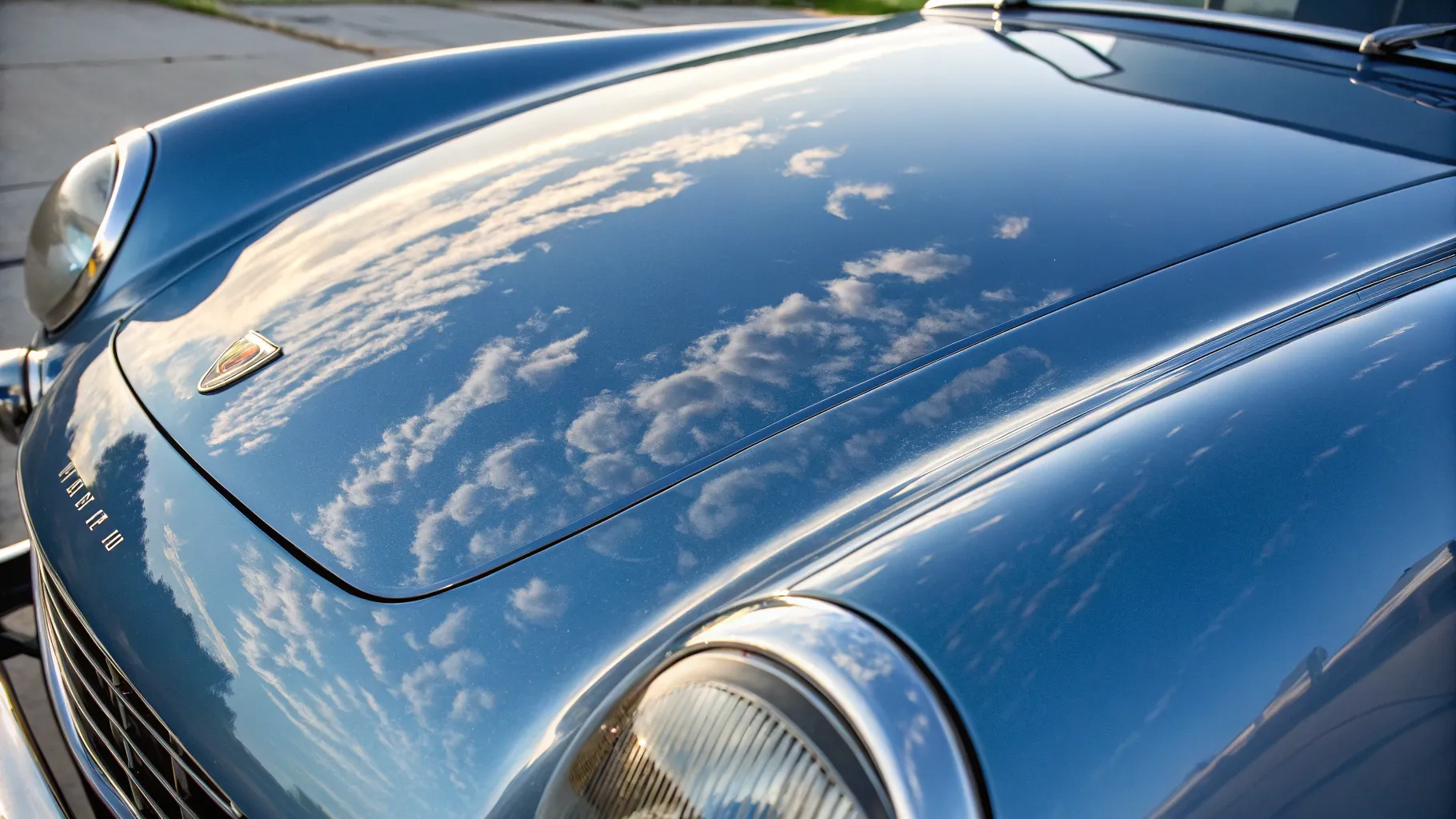
Understanding Car Paint Oxidation
Before diving into restoration methods, it’s important to understand what causes car paint oxidation. Oxidation occurs when the paint on your vehicle reacts with oxygen, often accelerated by factors like sunlight, air pollutants, and harsh weather conditions. As a result, the paint surface loses its luster, becoming dull and often chalky. According to recent data, over 45% of car owners have reported paint deterioration due to UV exposure within three to five years of vehicle ownership.
The signs of oxidized paint include a rough texture, discoloration, and the loss of the glossy finish. Addressing these issues promptly not only enhances the aesthetic appeal of your vehicle but can also help maintain its value.
DIY Car Paint Restoration Techniques
If you’re looking for budget-friendly ways to restore your car paint, DIY methods can be very effective. Here are some steps you can take:
- Wash Your Car Thoroughly: Begin with a complete wash using a gentle car soap to remove dirt and grime. This will prepare the surface for restoration and ensure you are not rubbing dirt into the paint during the restoration process.
- Assess the Damage: After washing, carefully inspect the paint. Determine the extent of the oxidation. Light oxidization can often be corrected with polishing, while heavy oxidation may require more extensive treatments.
- Use a Clay Bar: A clay bar can effectively lift contaminants from the paint surface, which allows for a smoother finish. Simply spray a lubricant on a small area and gently rub the clay bar over the surface.
- Applying Rubbing Compound: For surface oxidation, using a high-quality rubbing compound can work wonders. Apply a small amount on a foam pad and work it into the surface in a circular motion. This technique helps to cut through the oxidized layer.
- Polishing the Surface: After the compound, use a polishing compound to restore gloss. Polishing fills in the micro-scratches and further smooths out the surface. Make sure to use a clean sponge or applicator pad.
- Sealing with Wax or a Sealant: Once you've achieved the desired shine, it is crucial to protect your work. Use a car wax or paint sealant to provide a protective barrier against UV rays and other environmental elements.
- Consider a Clear Coat Repair: If your car paint is heavily damaged, applying a clear coat specifically designed for automotive paint may be necessary. Clear coats provide added UV protection and enhance the appearance.
Remember, when engaging in DIY car paint restoration, patience is key. Each step requires time and effort to ensure lasting results. Recent surveys indicate that successful DIY restorations can save car owners upwards of $300 compared to professional detailing services.
Professional Paint Correction Detailing
For those who prefer a hands-off approach or have more severe oxidation issues, enlisting the help of professionals can yield stunning results. Professional paint correction involves a comprehensive series of detailed steps, utilizing advanced tools and products that many DIY enthusiasts may not have access to.
- Assessment and Testing: Professionals start by assessing the condition of the paint. They often conduct a test spot to understand the level of oxidation and determine the best products to use.
- Multi-Step Polishing: Unlike DIY approaches, professionals can offer multi-stage polishing that includes aggressive cutting compounds followed by finer polishes to perfect the finish.
- Advanced Techniques: Many detailers utilize machines such as dual-action polishers or rotary polishers, which can provide a higher level of correction compared to hand-polishing methods.
- Protection Application: After paint correction, professional detailing usually concludes with the application of high-quality wax or sealants. Many professionals now also offer ceramic coatings that can provide unprecedented levels of shine and protection.
Investing in professional services can often lead to better longevity. Reports show that professionally restored cars can maintain their aesthetic appeal for 3-5 years longer than those restored through conventional DIY methods.
Maintaining Your Restored Car Paint
Once you’ve successfully restored your car's paint, the next step is proper maintenance. Regular washing with pH-balanced soap, parking in the shade, or using a car cover can significantly extend the life of your paint. Additionally, consider applying a UV protection product specifically designed for car paints every six months. This provides an extra layer of defense against sunlight and environmental damage.
In summary, whether you choose to tackle how to restore sun faded car paint on your own or seek out professional help, there are plenty of options available in 2025. With the right approach, you can rejuvenate your vehicle’s exterior, enhance its appearance, and ensure the paint remains protected for years to come. Regular care and the right techniques will guarantee your vehicle stands out on the road while retaining its value.
Authored by FreshLifeWire team