Restore Sun Faded Car Paint to Bring Back the Shine
How to Restore Sun Faded Car Paint and Bring Back the Shine
Your vehicle can say a lot about you, reflecting both your personal style and how you care for your possessions. Over the years, constant exposure to sunlight and various environmental elements can cause car paint to fade, producing a dull and lifeless look. Thankfully, in 2025, effective methods are available to revive that lost shine and restore your car to its former glory.
Understanding Sun Fading in Car Paint
Sun fading happens as the paint gradually deteriorates from prolonged exposure to ultraviolet (UV) rays. Recent studies noted that nearly 80% of vehicles can show signs of fading within just the first five to seven years, particularly those frequently parked outdoors. Beyond mere aesthetics, sun damage can lead to the breakdown of paint polymers, making the surface more vulnerable to oxidation and rust.
In recent months, environmental factors such as acid rain, pollution, and tree sap have been proven to worsen fading. It’s critical to understand the causes of sun fading, as this knowledge not only prepares you for the restoration dive but also emphasizes the necessity for a regular maintenance routine to keep your vehicle's exterior in pristine condition.
Step-by-Step Guide to Restore Sun Faded Car Paint
If you’re ready to get started on restoring that showroom shine, here’s a detailed step-by-step guide you can follow:
- 1. Assess the Damage: Begin with a comprehensive inspection of your vehicle. Look closely at the paint for signs of fading, oxidation, scratches, or blemishes. Understanding the extent of the damage is essential for tailoring your approach to achieve the best results.
- 2. Gather Supplies: Here is your essential shopping list for successful restoration:
- High-quality car wash soap
- Microfiber cloths
- Automotive clay bar
- Polishing compound (a dual-action polisher works best)
- Car wax or sealant for protection
- 3. Clean the Surface: Start by washing your car with car wash soap to remove any dirt, grime, and old wax layers. Rinse thoroughly and dry using a clean microfiber cloth, ensuring no soap residue is left behind, as this could interfere with the upcoming steps.
- 4. Use a Clay Bar: After cleaning, it’s important to use a clay bar. This tool helps remove embedded contaminants and smooths the paint surface. Creating a well-prepared surface allows for better polish application.
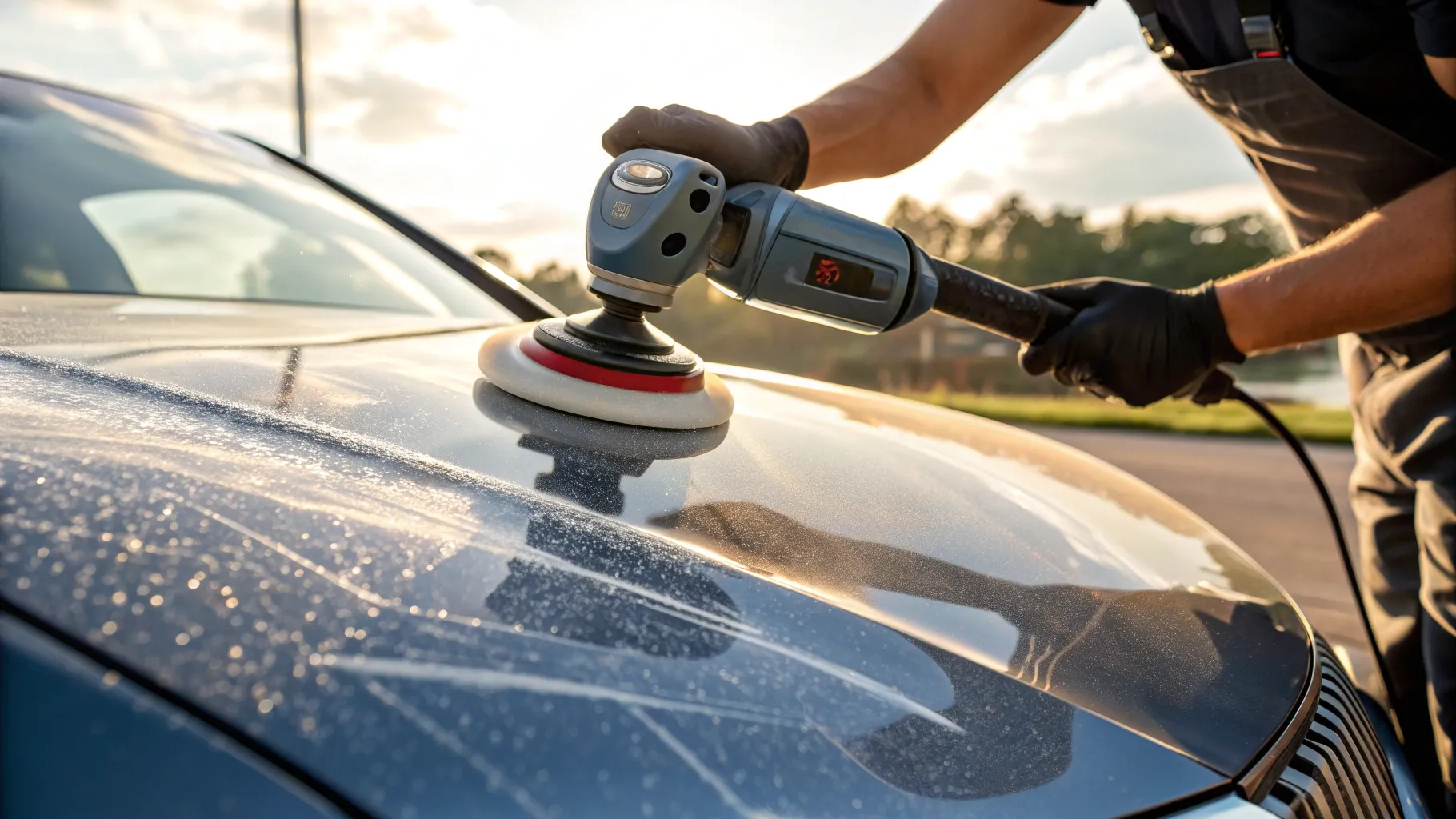
- 5. Polish the Paint: With a clean and smooth surface ready, it’s time to polish. Apply your polishing compound using a dual-action polisher, working in small, circular motions. Focus on each section thoroughly, watching faded areas regain vibrancy and clarity. Patience is key here, as a little effort goes a long way.
- 6. Wax for Protection: After polishing, always follow up with a layer of wax or polymer sealant. Not only does this restore shine, but it also acts as a barrier against future UV damage and harsh environmental elements.
- 7. Regular Maintenance: Your restoration journey doesn’t end here. Schedule regular washes and wax treatments every three to six months. Consider parking your vehicle indoors or using a car cover to shield it from the harmful rays of the sun.
Real-World Examples of Successful Restorations
Many real-world examples highlight the effectiveness of these restoration techniques. A recent report from an automotive research group indicates that about 70% of car owners who attempt these methods successfully restore their vehicle’s original shine when using professional-grade products.
Take the case of a well-loved 2016 Ford Focus that was showing significant signs of fading due to a lack of care and constant exposure to the elements. By following the outlined steps—starting off with a thorough wash and moving through polishing and waxing—the owner was pleasantly surprised at the transformation. The car shifted from an older, worn-out appearance to a glossy, vibrant finish. Such stories nationwide serve as a testament to the effectiveness of dedicated vehicle care.
Common Mistakes to Avoid
While numerous car enthusiasts manage to successfully restore their vehicle's paint, certain common pitfalls should be avoided:
- Skipping the Cleaning Stage: Neglecting to clean the surface before polishing can lead to scratches that worsen rather than improve your paint's condition.
- Using Overly Aggressive Compounds: Many make the mistake of using harsh compounds or tools that can damage the clear coat rather than rejuvenate it. Always opt for milder options and adapt based on your specific paint complications.
- Neglecting to Wax: It’s crucial to avoid leaving your car unprotected after polishing. This can leave it vulnerable to future fading and environmental damage.
By adhering strictly to the processes outlined and being cautious of these common mistakes, anyone can achieve successful restoration.
In the heart of 2025, putting in the effort to maintain your vehicle’s appearance speaks volumes about pride in ownership. Every bit of care and restoration contributes not only to enhancing the aesthetics of your vehicle but also significantly extending its usable lifespan. Investing time in these procedures can make your car a head-turning standout, proving that with the right techniques, anyone can achieve exceptional results. So, why hesistate? Gather your supplies and start today—your car deserves the finest care!
Authored by FreshLifeWire team