Rent to Own Refrigerators Process Benefits and Pricing
Understanding the Rent to Own Process for Refrigerators
In today's fast-paced world, acquiring essential household appliances like refrigerators can sometimes present challenges, especially when financial resources are limited. The rent to own process has become a popular alternative, allowing consumers to enjoy the use of a refrigerator without the burden of a hefty upfront payment. As we navigate through 2025, it's crucial to understand how this process works, what types of refrigerators are available, and the various advantages and disadvantages associated with this purchasing method.
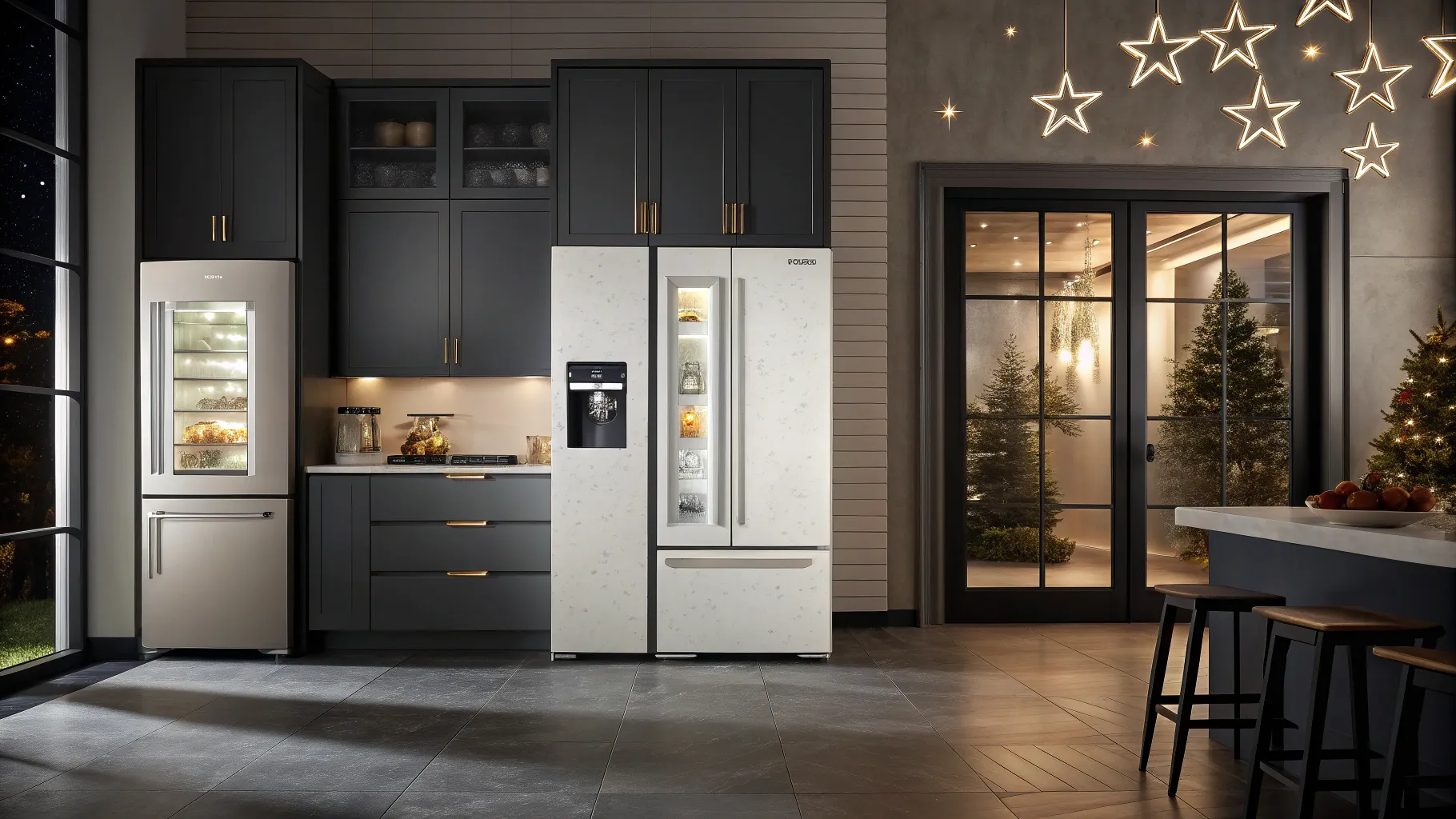
How Rent to Own Works
The rent to own model allows consumers to lease a refrigerator for a predetermined period, with the option to purchase it at the end of the lease agreement. This approach typically involves making monthly payments for a period that can range from 12 to 24 months. Once the total cost of the fridge is covered through these payments, the renter has the opportunity to buy the appliance outright. If they choose not to purchase it, they simply return the refrigerator at the end of the rental period.
Many rent to own retailers have simplified their application requirements, making it easier for shoppers to qualify. Generally, customers need to provide proof of income, identification, and sometimes a social security number. This inclusivity has made it appealing for those who may not have favorable credit scores or who are seeking to avoid significant debt upfront.
Types of Refrigerators Available for Rent to Own
When considering a rent to own option, consumers can find a variety of refrigerator types. The key categories include:
- Top Freezer Refrigerators: These classic styles feature a fridge on the bottom and a freezer above, often providing ample storage space at an affordable price.
- Side-by-Side Refrigerators: These models position the fridge and freezer next to each other, making access convenient and often featuring advanced technology.
- French Door Refrigerators: A modern favorite, these come with double doors for the fridge and a pull-out freezer drawer, designed for style and functionality.
- Compact Refrigerators: Ideal for small spaces, compact fridges are a great option for dorm rooms or apartments, and they can easily qualify for rent to own agreements.
Shoppers should carefully consider their needs and space before choosing a refrigerator type. Many retailers offer online tools for sizing and compatibility, ensuring that the selected fridge fits perfectly into the intended spot.
Pricing Comparison and Monthly Payments
When assessing pricing comparison for rent to own refrigerators, it is important to note that costs can vary significantly depending on the model, brand, and features. On average, monthly payments can range from $40 to $150, depending on the refrigerated size and type. For example, a high-end French door model might command higher monthly payments due to advanced features like smart technology, energy efficiency, and larger capacities.
This model provides financial flexibility, allowing consumers to budget accordingly. With rental agreements often including maintenance and reparations, this could result in potential savings compared to purchasing a fridge outright, where unforeseen repair costs can significantly increase overall expenses.
However, potential renters should be aware that making the total payment can often lead to a price point that exceeds the retail price of the refrigerator itself, especially if extended rentals are involved. Therefore, it’s essential to calculate the total cost before making a commitment. For example, a rent-to-own transaction for a deluxe model might start at $78 a month for 24 months, totaling $1,872. In contrast, purchasing the same fridge could be around $1,200 in standard retail.
Benefits and Drawbacks of Rent to Own Refrigerators
Understanding the advantages and disadvantages of the rent to own model can help consumers make informed decisions. Some of the main benefits include:
- No Large Upfront Cost: Rent to own agreements allow consumers to avoid immediate financial strain.
- Flexible Payment Options: Monthly payments can often be adjusted based on the consumer's financial situation.
- Access to New Models: Renting allows users to have higher-end models that may not be affordable to purchase outright.
On the flip side, there are some notable drawbacks:
- Overall Higher Cost: In the long run, total payments can exceed the actual retail price.
- Maintenance Responsibility: While some agreements cover damages, consumers might still bear repair and maintenance costs.
- Possibility of Repossession: Failure to make payments can lead to the repossession of the appliance, causing inconvenience.
Ultimately, the decision to choose a rent to own refrigerator should be based on individual financial situations and preferences. While the model offers immediate access to necessary appliances, careful consideration of total costs and terms is essential to avoid pitfalls.
The landscape of rent to own appliances, particularly refrigerators, continues to evolve in 2025. Consumers now more than ever are seeking both accessibility and affordability, and the rent to own option presents a viable solution for many. With more brands recognizing this demand, a wider selection of models and competitive pricing structures are making this option increasingly attractive. Always do your homework, compare costs, and understand all terms and conditions before signing on the dotted line.
Authored by FreshLifeWire team