Rent to Own Forklifts Benefits Costs and Types Explained
Discover the Benefits of Rent to Own Forklifts
In 2025, rent to own forklifts has emerged as a popular choice for businesses aiming to acquire essential material handling equipment without needing to make a hefty upfront investment. This financial model allows companies to rent a forklift over an agreed period, while also providing the opportunity to purchase the equipment upon the rental’s conclusion. This flexibility is particularly attractive to startups or growing businesses that may face budget constraints but need the functionality that forklifts provide to scale.
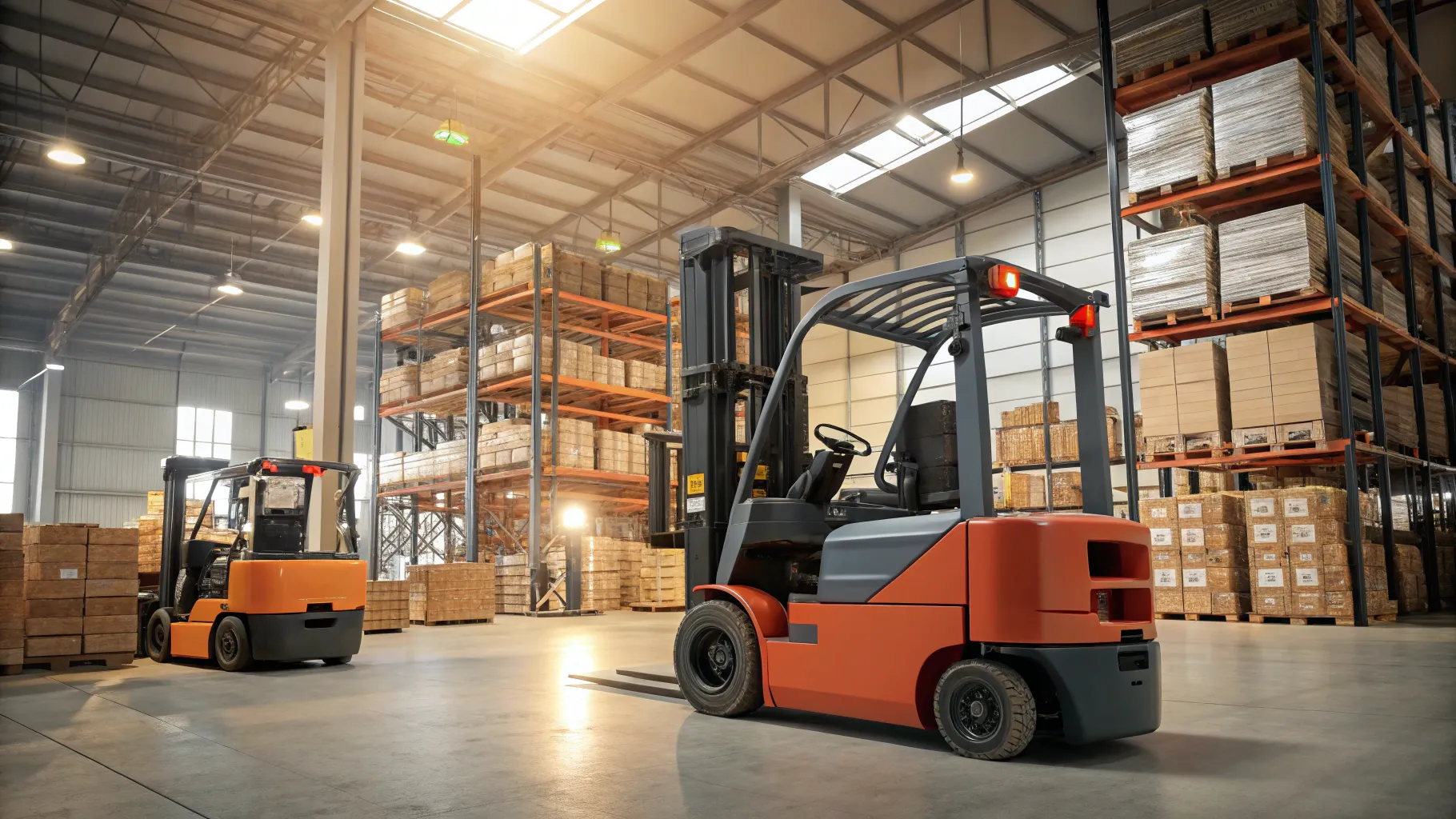
Understanding Rent to Own Forklift Agreements
The core of a rent to own forklift agreement lies in its terms and conditions, which typically highlight the rental duration, payment structure, and options for purchasing the forklift after the rental term. Not only do businesses gain access to the necessary equipment without draining their cash reserves, but they can also evaluate the forklift’s performance during the rental phase before committing to a purchase. This is especially useful given the diverse range of forklifts available today.
Key Eligibility Criteria and Terms
Before venturing into a rent to own forklift agreement, it is crucial for businesses to understand the eligibility requirements as well as the terms involved. Here are several key factors that usually come into play:
- Business Credit History: Rental companies generally assess the creditworthiness of your business. A strong credit history signals that you have the ability to meet your financial responsibilities, making it easier to secure favorable rental terms.
- Business Track Record: Companies with solid profitability histories and consistent operational stability are often prioritized. This is because lenders have greater confidence in established businesses.
- Business Size: Smaller businesses may encounter stricter requirements or need to provide more documentation than larger firms, which can afford to take bigger financial risks.
Rental terms generally range from 12 to 60 months, during which businesses may be required to pay an initial down payment followed by manageable monthly installments. These payments are often structured so that a portion goes towards the eventual purchase of the forklift.
Comparing Rent to Own and Leasing Forklifts
A critical consideration in deciding between renting to own versus leasing is the difference in monthly costs. Typically, leasing a forklift involves lower monthly payments because lessees are primarily covering depreciation and interest. However, rent to own arrangements may entail slightly higher payments, as a portion is allocated towards the future purchase. For instance, as of early 2025, the average monthly payment for renting to own a forklift ranges from $300 to $800, depending on various factors such as forklift type and specific financing terms.
To illustrate, an essential electric forklift might command a certain fee, while a heavy-duty diesel forklift could incur significantly higher costs—this variability highlights why businesses should thoroughly compare these options to find the best financial fit.
Maintenance Responsibilities in Rent to Own Agreements
Another vital aspect of rent to own forklift agreements is understanding maintenance responsibilities. Typically, the agreements will specify who is responsible for the equipment’s upkeep during the rental period. Many forklifts come with a manufacturer’s warranty that often covers routine maintenance during the rental term. This means businesses can focus more on operations rather than worrying about unplanned maintenance expenses.
However, it is essential to be aware that if any damage occurs due to misuse or lack of care, the cost for repairs may fall on the rental business. Therefore, clarifying these maintenance terms before finalizing any agreement is wise to prevent financial surprises later on.
Types of Forklifts Available for Rent to Own
The variety of forklifts available through rent to own programs continues to grow, catering to diverse operational needs. Here are some common types:
- Electric Forklifts: Enviro-friendly machines with lower operating costs, perfect for indoor applications where a clean solution is essential. They are especially favored in many warehouse settings.
- Diesel Forklifts: Often utilized outdoors, these powerful machines excel at heavy-duty tasks, making them a necessity for construction sites or outdoor warehouses.
- Pallet Jacks: A fundamental piece of equipment for smaller operations, perfect for moving pallets efficiently without the need for a larger forklift.
- Rough Terrain Forklifts: Built to handle uneven surfaces, these forklifts are indispensable on construction sites where stability and traction are key.
With these diverse options, businesses have the flexibility to select a forklift solution that best meets their specific requirements, no matter the working environment.
Pros and Cons of Rent to Own Forklifts
When weighing the decision to utilize rent to own forklifts, businesses should consider both the advantages and potential downsides:
- Pros:
- Immediate Access: Companies can get their hands on necessary equipment without the immediate financial burden of a large purchase.
- Option to Purchase: At the end of the rental period, having the choice to buy provides businesses with full control over their operational assets.
- Flexible Payments: Monthly plans are often easier on cash flow compared to a single, large payment.
- Cons:
- Total Costs: Overall, you might spend more over time compared to paying upfront for the equipment.
- Complex Contracts: Some rental agreements can be intricate, necessitating careful reading to fully understand all terms.
- Responsibility for Damage: Any repairs resulting from mishandling can lead to unexpected costs that add to the overall financial responsibility.
Ultimately, the best material handling solution will align with your business’s current needs, financial health, and growth projections. In 2025, many companies find that rent to own forklift agreements are not only a pathway to equipment access but also a strategic move towards operational efficiency and sustainable expansion.
Authored by FreshLifeWire team