Remove Water Spots from Car Paint Safely and Easily
How to Remove Water Spots from Car Paint Effectively
If you're a car owner, you know that keeping your vehicle looking pristine can be a challenge. One of the most frustrating issues you may encounter is the presence of water spots. Those unsightly marks can appear after a rainfall or after washing your car, leaving behind dull, hazy patches on your paint. In this article, we will explore how to remove water spots from car paint safely and effectively, ensuring your vehicle retains its shine and appeal.
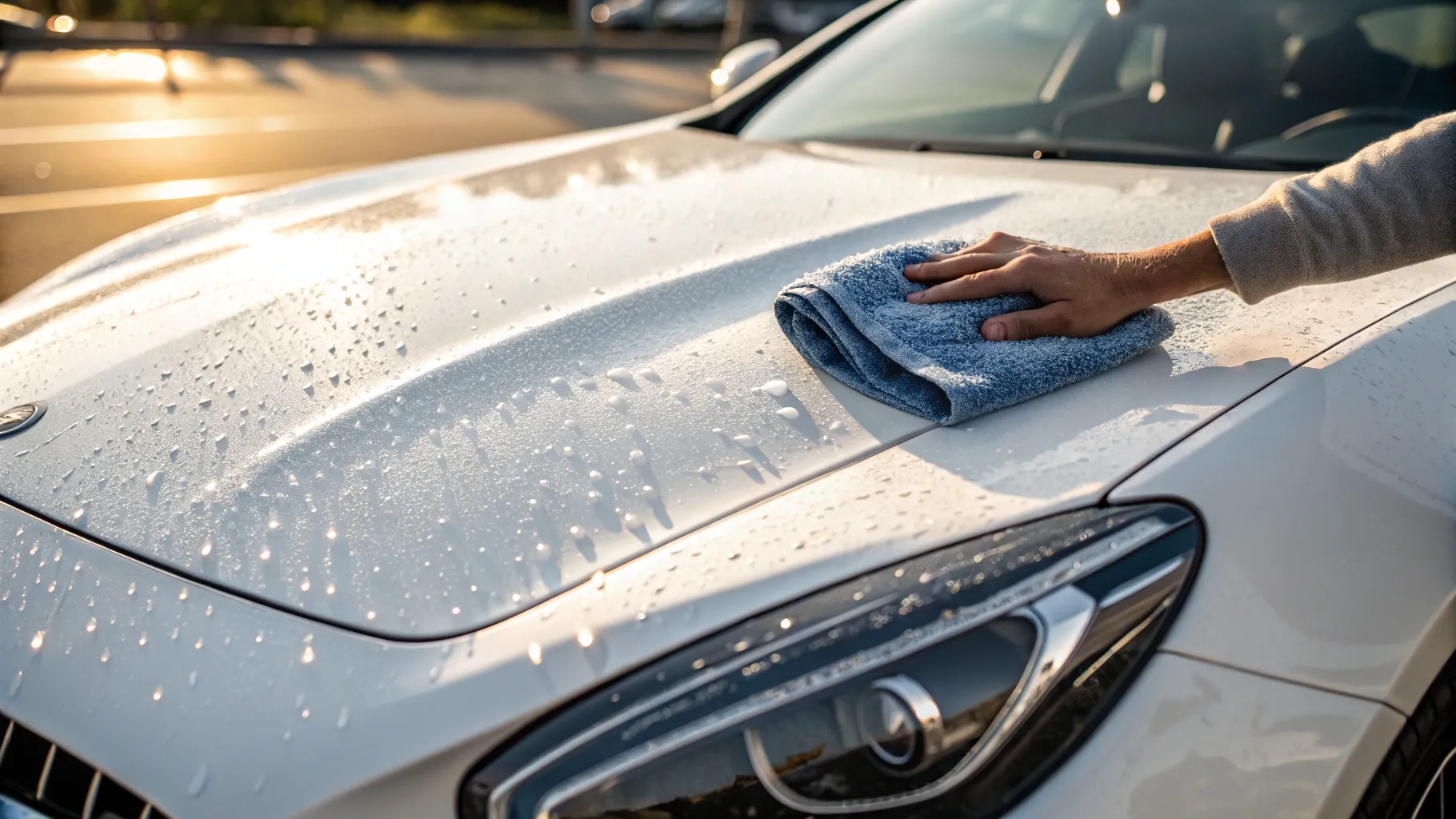
Understanding Water Spots
Water spots are typically residues left behind by minerals found in water. When water droplets evaporate, they can leave behind calcium, magnesium, and other minerals that etch into the clear coat of your car's paint. Over time, if these spots aren't addressed, they can cause more permanent damage.
According to recent surveys from the automotive detailing industry, it’s estimated that over 70% of car owners face water spot issues at some point. This statistic underscores the importance of knowing how to deal with them effectively.
Identifying the Type of Water Spots
Before you dive into removing those pesky spots, you should identify whether they are hard water spots or bird droppings, as different methods may be required based on the type. Hard water spots are usually whitish and have a raised appearance. In contrast, spots from bird droppings are generally darker and might require a different treatment to avoid damaging your paint.
Once you've identified the culprits, you can choose the best method to handle them.
Safe Methods to Remove Water Spots from Car Paint
Now that you're equipped with the knowledge of what you're dealing with, let's explore some effective techniques for removing those unsightly water spots without damaging your car's finish.
- Use a pH-Neutral Car Wash Solution: Begin by washing your car with a pH-neutral car wash solution. This gentle approach can remove loose dirt and help minimize the spots before trying anything stronger. Make sure to use a microfiber wash mitt to prevent scratching the paint.
- Detailing Clay: If soap and water aren't cutting it, you can use detailing clay. This special clay bar will pick up contaminants, including water spots, from the surface of your paint. Simply moisten the area with a clay lubricant and gently rub the clay over the water spots.
- Vinegar Solution: A simple solution of equal parts vinegar and water can work wonders on water spots. Spray it onto the affected area and allow it to sit for a couple of minutes before wiping it off with a soft cloth. This method is effective because the acidity in vinegar helps break down the minerals causing the spots.
- Commercial Water Spot Removers: There are now various commercial water spot removers available specifically designed for automotive surfaces. Look for reputable brands and read reviews to find a product that works well. Carefully follow the manufacturer’s instructions for effective application.
Polishing and Waxing
If the water spots persist even after trying these methods, consider polishing your car's paint. A fine polish can help remove a thin layer of your clear coat, which can eliminate stubborn spots. Use a dual-action polisher for the best results and apply polish in a circular motion.
Once you've achieved a smooth finish, it’s essential to protect your paint. Wax your car with a high-quality wax to create a barrier against future water spots and contaminants. Regular waxing will help maintain your car’s shine and make cleaning easier in the future.
Preventing Future Water Spots
Now that you know how to remove water spots from car paint, let's discuss how you can prevent them from coming back. Prevention is often the most effective strategy.
- Regular Washing: Keep your car clean by washing it regularly to prevent build-up of minerals. Aim for a wash at least every two weeks, or sooner if you live in a very hard water area.
- Dry Your Car Properly: After a wash or rain, dry your car using microfiber towels specifically designed for drying to remove leftover water droplets that could leave spots. A quick detailing spray can also assist in this process.
- Park Smart: Whenever possible, park your car in a garage or under a carport to reduce exposure to rain and direct sunlight. This will minimize the chances of water spots forming from rain and evaporation.
- Use a Water Softener: If you live in an area with particularly hard water, consider using a water softener or rainwater catchment system for washing your car.
Incorporating these habits into your car maintenance routine can significantly reduce the likelihood of water spots and keep your paint looking shiny and new.
While water spots can be a nuisance, with the right knowledge and tools, you can keep your vehicle looking immaculate. Regular care and attention to detail will not only enhance the appearance of your car but also increase its value over time.
Authored by FreshLifeWire team