5 Easy Ways to Remove Car Scratches at Home DIY Tips
5 Effective Ways To Remove Scratches From Your Car At Home
Scratches on your vehicle are an inevitable part of car ownership. Whether it's a minor scratch from a quick shopping trip or a deeper mark from an unfortunate encounter with a tree branch, those blemishes can significantly affect the overall aesthetic of your car. With some easy, at-home solutions, you can address these scratches effectively and keep your vehicle looking brand new. Here’s a look at five ways to remove scratches from your car at home.
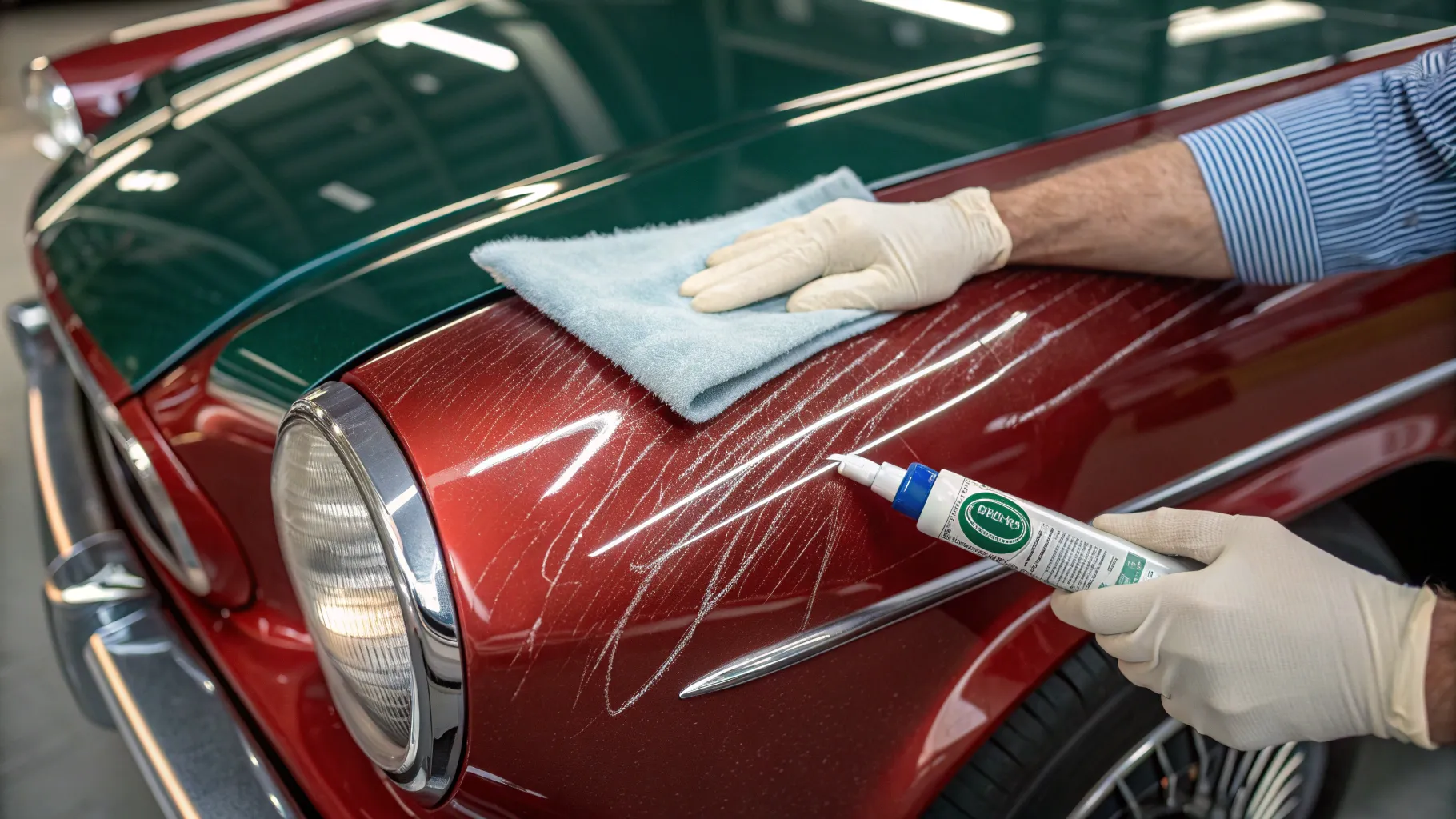
1. Remove Minor Scratches with Toothpaste
Believe it or not, toothpaste can do more than just keep your pearly whites shining. Its gentle abrasiveness makes it a viable option to tackle minor scratches on your car’s surface. Over the last six months, many car owners have reported successful outcomes using this method.
- Materials Needed: Non-gel toothpaste, a soft cloth or microfiber towel.
Follow these simple steps:
- Start by cleaning the scratched area thoroughly with soap and water. Make sure to dry it completely.
- Squeeze a small amount of non-gel toothpaste onto a soft cloth.
- Gently rub the toothpaste into the scratch using circular motions. Be patient and focus on the damaged area.
- Once done, wipe away any excessive toothpaste with a damp cloth and let it dry.
This method is primarily effective for superficial scratches, and while it won't work for every imperfection, many users report satisfactory results within minutes.
2. Baking Soda Paste for Car Scratch Removal
Baking soda is a versatile household staple that can also serve as an effective scratch remover. Its mild abrasive nature helps to buff out lighter scratches effectively. In fact, just last month, a popular automotive blog emphasized the affordability and efficiency of this technique.
- Materials Needed: Baking soda, water, a small bowl, and a soft rag.
To apply this method:
- Combine two parts baking soda with one part water in a small bowl to create a thick paste.
- Using the soft rag, apply the paste directly to the scratched area.
- Gently scrub the scratch in circular motions for about 30 seconds, applying light pressure.
- Wipe the area clean with a damp cloth and check to see if the scratch has diminished in visibility.
This technique costs just a few cents and can yield impressive results if applied correctly.
3. Rubbing Compound for Deeper Scratches
For deeper scratches that require a bit more elbow grease, a rubbing compound is the go-to solution. This type of product is engineered specifically to remove imperfections in automotive paint. A survey from earlier this year revealed that many DIY enthusiasts rely on rubbing compounds as part of their regular car maintenance routine.
- Materials Needed: Rubbing compound, microfiber cloth, and car wax.
Here's how to effectively use a rubbing compound:
- Clean the scratched area thoroughly to remove any dirt or debris.
- Apply a modest amount of rubbing compound onto a microfiber cloth.
- Rub the compound firmly into the scratch, taking care to follow the scratch’s direction.
- Once you see results, wipe away the excess compound and apply car wax for added shine and protection.
This method can drastically improve the appearance of your car's finish, making it look well-maintained and polished.
4. Use Touch-Up Paint for Serious Scratches
When dealing with scratches that have penetrated down to the metal or primer, touch-up paint is often the best fix. Most manufacturers offer color-matched touch-up paint in small bottles. In fact, last quarter, auto parts stores reported a surge in sales of touch-up paints due to rising DIY repairs.
- Materials Needed: Touch-up paint, a clear coat (if needed), and a small applicator brush.
To apply touch-up paint properly:
- Clean the scratch and let it dry completely.
- Apply the touch-up paint with the applicator, carefully filling in the scratched area.
- Allow the paint to dry thoroughly before adding a clear coat for extra protection.
- Once it’s dry, polish the area with a soft cloth for blending.
This method not only camouflages scratches but proactively protects the underlying surface from rust and further damage.
5. Prevent Future Scratches With Smart Care
While it’s important to know how to remove scratches, preventing them in the first place can save you a lot of hassle. Implementing a few smart care strategies can help maintain your vehicle’s pristine look. Statistics from recent surveys indicate that regular automobile maintenance significantly enhances vehicle longevity and resale value.
- Regular Waxing: Wax your car every three months to safeguard the paint and reduce the risk of scratches.
- Smart Parking: Always try to park away from crowded lanes in parking lots to minimize contact with shopping carts and other vehicles.
- Use Car Covers: When your car is parked for an extended period, consider using a car cover to shield it from environmental hazards.
- Install Paint Protection Film: This will create an additional layer of defense against scratches and chips.
Each of these preventive measures is designed to extend the life of your car’s exterior, ensuring it stays looking sharp for years to come.
In summary, taking care of scratches on your car does not require professional help. With these practical DIY methods, you can address minor to moderate scratches yourself, all while saving money on repairs. Remember, caring for your vehicle is not just about solving problems; it's also about preventing them and ensuring your investment holds its value.
By following the tips outlined, you can effortlessly maintain the appearance of your vehicle, ensuring that it remains a source of pride. Whether you choose to use toothpaste, baking soda, rubbing compounds, or touch-up paint, each technique can be a step towards achieving that polished look while keeping within budget.
Authored by FreshLifeWire team