Remote Patient Monitoring for Seniors Improving Outcomes
Remote Patient Monitoring for Seniors: Transforming Healthcare in 2025
The landscape of healthcare has transformed dramatically in recent years. Among the most significant advancements is remote patient monitoring (RPM), particularly for seniors managing chronic conditions like heart failure. As we navigate through 2025, the integration of remote monitoring devices into everyday healthcare is becoming not just beneficial, but perhaps essential for improving health outcomes.
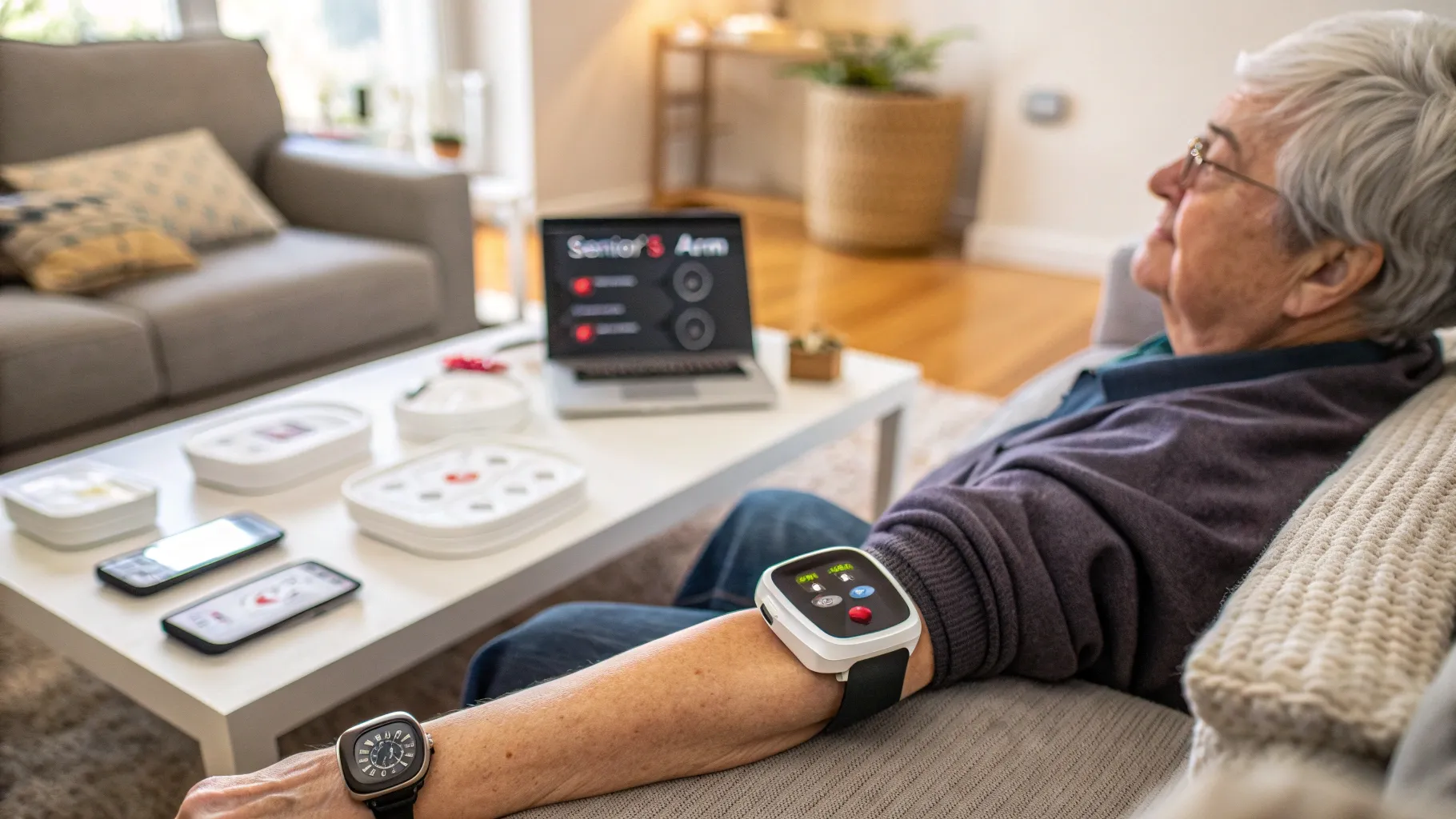
Understanding Remote Patient Monitoring Devices
Remote patient monitoring involves the use of technology to collect health data from individuals outside of traditional clinical settings. For seniors, these devices can be particularly valuable, offering a convenient way to monitor health conditions without the need for frequent hospital visits.
- **Wearable Devices:** Smartwatches and fitness trackers can monitor heart rate, physical activity, and even sleep patterns.
- **Home Monitoring Equipment:** Devices such as blood pressure cuffs and glucose meters allow users to send their health data directly to healthcare providers.
- **Mobile Health Apps:** Many of these devices pair with smartphone applications that provide patients and caregivers with real-time insights.
These technologies enable seniors to manage their health proactively, reducing the need for emergency interventions. The ability to often self-monitor fosters independence and can lead to better medication adherence and lifestyle adjustments.
RPM for Heart Failure: A Game Changer
Heart failure is a common condition among seniors who require constant monitoring. RPM for heart failure involves using devices that automatically track heart rate, weight, and blood pressure. Recent studies indicate that implementing RPM can significantly reduce the rate of hospital readmissions by nearly 30%. For many seniors, this means avoiding the physical and emotional toll of frequent hospital stays.
One of the most inspiring case studies comes from a health network in California, where a pilot program deploying RPM for heart failure patients resulted in a 25% increase in retained heart function over a six-month period. This program used a combination of smart devices and regular telehealth follow-ups, allowing clinicians to adjust treatment plans based on real-time data.
By merging technology with healthcare, RPM for heart failure provides a continuous support system. Doctors can intervene before issues escalate, keeping patients' spirits high and health risks low.
Benefits of RPM for Seniors
The benefits of remote patient monitoring for seniors extend far beyond enhancing individual health. Here are several key advantages:
- Increased Access to Care: For seniors who face mobility challenges, RPM eliminates transportation worries, allowing them to consult providers from the comfort of home.
- Enhanced Care Coordination: Healthcare providers can access a comprehensive view of a patient's health in real-time, facilitating better coordination amongst different specialists and improving treatment outcomes.
- Cost Efficiency: By reducing hospital admissions, RPM can lower healthcare costs for both patients and providers. A study published by the American Hospital Association in early 2025 noted that RPM can cut costs by up to 40% for chronic condition management.
Furthermore, remote patient monitoring can empower seniors and their caregivers. Seniors report feeling more in control of their health, leading to increased confidence and a positive outlook on their wellbeing.
Device Costs and Reimbursement Trends
One of the primary concerns regarding remote monitoring devices is cost. As of 2025, the price range for these devices varies widely, with simple blood pressure monitors costing around $50 to $150 and advanced wearable technology upwards of $350. However, insurers increasingly recognize the value of RPM and are expanding reimbursement policies.
Many Medicare Advantage programs now offer reimbursement for RPM services, as backed by studies demonstrating their effectiveness in improving patient engagement and health outcomes. This trend towards reimbursement signifies a shift in how remote monitoring is viewed—not just as a technological advance, but as a vital component of comprehensive healthcare.
Telehealth Follow-Up
Accompanying the rise of RPM is the prevalence of telehealth follow-ups. Imagine a scenario where a senior monitors their heart rate and shares results through a dedicated app, followed by a video consultation with their healthcare provider. This seamless integration fosters a continuous care cycle.
Research indicates that patients who engage in remote follow-ups show a 20% improvement in treatment adherence. This ongoing access to medical professionals enables timely responses to health concerns, further enhancing health outcomes.
Improved Outcomes Statistics
The statistics surrounding RPM adoption speak volumes. A recent survey highlighted that over 70% of seniors using RPM devices reported feeling more informed about their health status than prior to its use. Furthermore, a significant number noted a perceived improvement in their quality of life.
In essence, incorporating remote patient monitoring has the potential to shape the future of senior healthcare profoundly. With the backing of research showing increased engagement and better health outcomes, RPM is positioned not just as a convenience, but as a necessary evolution in managing chronic conditions among the elderly population.
In summary, remote patient monitoring is revolutionizing how healthcare is delivered to seniors in 2025. As technology continues to advance, so too will the capabilities of RPM, ultimately leading to happier, healthier aging among our senior citizens.
Authored by FreshLifeWire team