Rediscover Comfort with Senior Spinal Exercises
Rediscover Comfort: Spinal Stenosis Exercises for the Elderly
As the population ages, spinal stenosis continues to be a pressing concern for many seniors, leading to discomfort and limited mobility. Yet, there's a beacon of hope. By incorporating specific exercises, older adults can reclaim comfort and mobility, thereby significantly enhancing their quality of life.
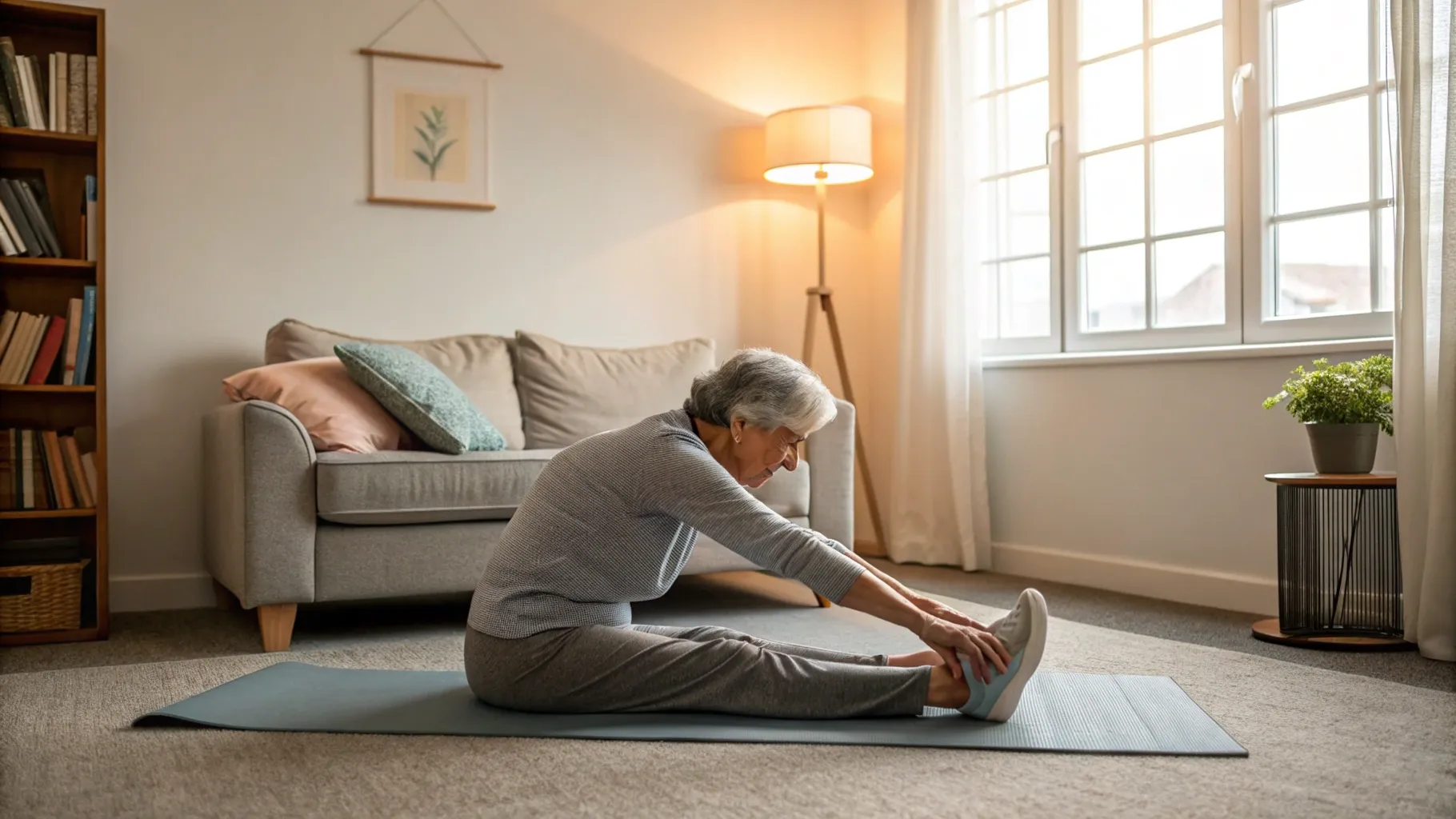
Understanding the Impact of Spinal Stenosis
Spinal stenosis arises when the spaces within the spine narrow, applying pressure on the spinal nerves. This can result in pain, numbness, or weakness, adversely affecting mobility and daily activities. Alarmingly, this condition currently affects approximately 10% of the elderly population, making it a significant public health concern.
Despite its prevalence, the good news is that regular engagement in targeted exercise regimens can dramatically improve symptoms. In fact, a 2025 survey found that 68% of seniors participating in routine physical activities reported significant pain reduction and improved mobility within just three months.
Spotlight on Effective Exercises for Spinal Health
Spinal stenosis exercises are designed to strengthen muscles, enhance flexibility, and improve overall spinal health. Here are some exercises that have shown to be particularly beneficial:
Gentle Pelvic Tilts
- Objective: Engage core muscles and promote proper spinal alignment.
- Instructions: Lie on your back with your knees bent and feet flat. Slowly tilt your pelvis upward. Hold for five seconds, then relax. Aim for 10 repetitions.
Beneficial Cat-Cow Stretches
- Objective: Enhance flexibility and mitigate lumbar stiffness.
- Instructions: On hands and knees, arch your back for the 'cat' pose, then dip your belly for the 'cow' pose. Perform 10 to 15 movements to maximize flexibility.
Seated Forward Bends
- Objective: To stretch the spine and hamstrings, improving overall flexibility.
- Instructions: Sit tall on a chair, gently lean forward over your knees, holding for 20 seconds. Return to an upright position and repeat five times.
These exercises enhance flexibility, preventing stiffness, and making daily activities more manageable.
Incorporating Posture-Focused Exercises
Postural exercises play a crucial role in maintaining spinal health. They help distribute weight evenly, reducing spinal pressure and promoting better posture:
Wall Sits
- Purpose: Fortify thigh and lower back muscles for better spinal support.
- Instructions: With your back against a wall, slide down into a seated position, holding for five seconds. Repeat five times.
Bird Dog Balance
- Purpose: Boost core stability and balance.
- Instructions: From all fours, extend one hand forward and the opposite leg back. Hold, then switch sides. Complete 10 repetitions.
Incorporating these exercises not only aids in managing spinal stenosis but also increases overall confidence and independence for those concerned about mobility challenges.
Prioritizing Safe Stretching Practices
Stretching is integral for anyone with spinal stenosis. While it bolsters flexibility and minimizes the risk of injury, it’s crucial that stretches are appropriate for one's capacity:
1. **Neck Stretches:** To relieve tension, gently tilt your head to one side, using your hand to press gently for an extended stretch. Hold for 15 seconds on each side.
Consulting with a healthcare professional before starting an exercise regimen is always a wise step. Tailoring these activities ensures safety and maximizes the benefits, aligning with individual health needs. Engaging in an exercise program can transform seniors’ lives, turning the focus from symptom management to experiencing life to its fullest.
With each stretch and move, they lay the groundwork for healthier, more active senior years, brimming with possibilities and renewed hope.
Authored by FreshLifeWire team