Red Light Therapy for Eye Health Benefits and Devices
Understanding How Red Light Affects Eyesight
In recent years, there's been a surge of interest in alternative medical therapies, particularly those utilizing light. One of the most exciting areas is red light therapy, which specifically focuses on its potential benefits for eye health. Red light therapy involves using low-level wavelengths of red light, typically between 600 to 700 nanometers, to promote healing and cellular regeneration. But how exactly does red light affect eyesight? Research has shown that red light exposure can stimulate mitochondrial activity within our cells, leading to enhanced energy production. This can potentially improve the health of retinal cells, which are crucial for optimal vision.
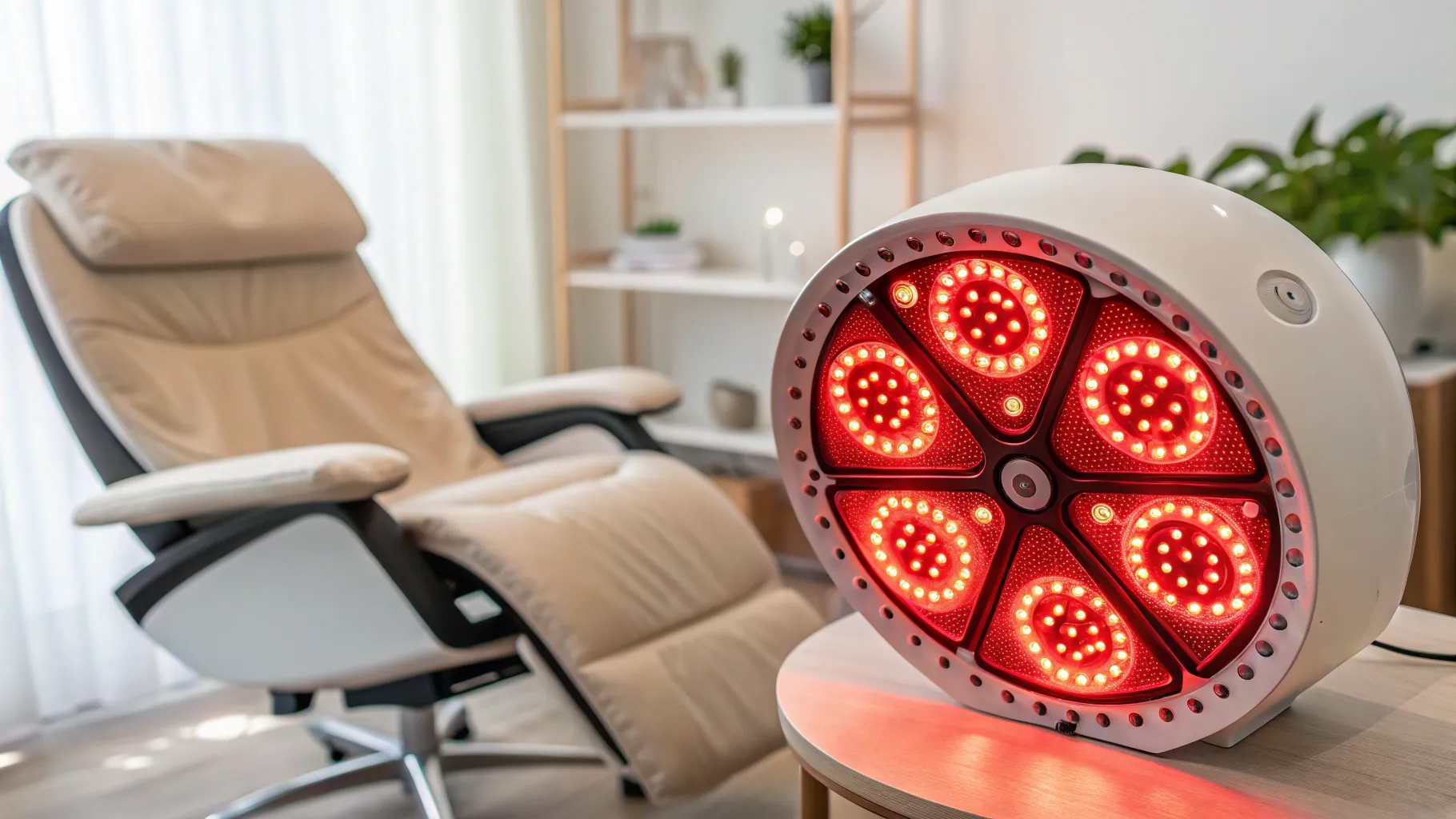
Furthermore, studies have demonstrated that red light can have anti-inflammatory effects and improve blood circulation. By enhancing the blood flow to the eyes, it may alleviate symptoms associated with conditions such as dry eye syndrome or general eye fatigue. Interestingly, many recent clinical trials have also begun exploring the specific benefits of red light therapy for eye conditions like macular degeneration and glaucoma.
Red Light Therapy for Macular Degeneration
Age-related macular degeneration (AMD) is one of the leading causes of vision loss in individuals over 55. Traditional treatments have focused mainly on slowing the disease’s progression; however, new research indicates that red light therapy could be a promising alternative or complementary approach. In a groundbreaking study published in early 2025, researchers found that patients who received red light therapy showed a significant improvement in retinal thickness and visual function.
During this study, participants underwent a series of short red light therapy sessions, using a device designed to deliver targeted wavelengths to the eyes. The results were encouraging: after just a few weeks, many participants reported improved clarity of vision. The scientists believe that red light may stimulate the natural healing processes of the retinal cells, potentially reversing some effects of degeneration.
A clinical case involved a participant in their 70s with advanced macular degeneration who had almost entirely lost their central vision. After regular treatments with a red light device over a span of several months, the patient reported a remarkable restoration of sight, enabling them to read large print comfortably. This kind of anecdotal evidence, combined with clinical studies, is fueling interest in the use of red light therapy as a component of AMD treatment plans.
Red Light Therapy Eye Treatment Methodology
The process of red light therapy for eyesight is generally non-invasive and can be executed either in clinical settings or at home with the right devices. Many devices on the market today are designed specifically for eye treatment, ensuring safety and efficiency. During a typical session, patients will sit comfortably with protective eyewear on while a specialized device emits the red light. Each session may last anywhere from 10 to 20 minutes, depending on the specific protocol being followed.
For those seeking treatment for macular degeneration, finding a reputable supplier of red light therapy devices is essential. When considering the best red light therapy device for eyes, look for features like adjustable wavelengths, intensity, and safety certifications. As more studies validate its effectiveness, the quality and availability of these devices continue to improve.
Red Light Therapy for Glaucoma Prevention
Glaucoma is another prevalent eye condition that affects millions of people worldwide. This disease can lead to irreversible vision loss and is often related to increased intraocular pressure. Recent studies are suggesting that red light therapy may play a role in glaucoma prevention by enhancing the health of optic nerve cells.
In research conducted late last year, scientists discovered that exposure to red light stimulated the protective mechanisms within retinal ganglion cells, significantly reducing cell death associated with elevated pressure in the eyes. This implies that regular application of red light therapy could be a preventive measure for those at risk of developing glaucoma.
During one notable pilot study, participants who received red light treatments over a 12-week period reported improved visual fields and reduced symptoms of ocular pressure. Patients noted that they felt more comfortable and alert, likely due to the combined effects of cellular rejuvenation and better circulation. Additionally, there are now options for patients to use red light therapy devices at home which may provide a valuable adjunct to their existing glaucoma management strategies.
Choosing the Right Red Light Therapy Device for Eyes
- Safety Features: Ensure devices have built-in safety measures to protect your eyes.
- Wavelength Range: Look for devices that emit light in the 600-700 nanometer range for optimal benefits.
- Portability: Many prefer handheld devices or goggles that make the therapy convenient.
- Effectiveness Ratings: Read reviews and testimonials from other users to gauge product effectiveness.
As the field of red light therapy continues to evolve, more innovations and enhanced devices are quickly becoming available. Many researchers believe the future might see personalized red light therapy systems capable of adjusting to individual needs and conditions, leading to optimized healing outcomes.
The exploration of red light therapy for eyesight is just beginning, with substantial developments emerging over the past few months. As awareness grows, there is hope that a wider array of individuals will be able to benefit from this non-invasive treatment, improving their eye health and overall quality of life.
Authored by FreshLifeWire team