Recognizing Warning Signs of Poor Liver Function in 2025
Warning Signs of Poor Liver Function
The liver is a powerhouse of the human body, playing a crucial role in metabolizing nutrients, detoxifying substances, and producing essential proteins. However, many people overlook the importance of maintaining optimal liver health. As we move through 2025, understanding the warning signs of poor liver function has never been more pertinent, especially given the rise in liver-related diseases due to lifestyle choices, environmental factors, and increasing rates of obesity.
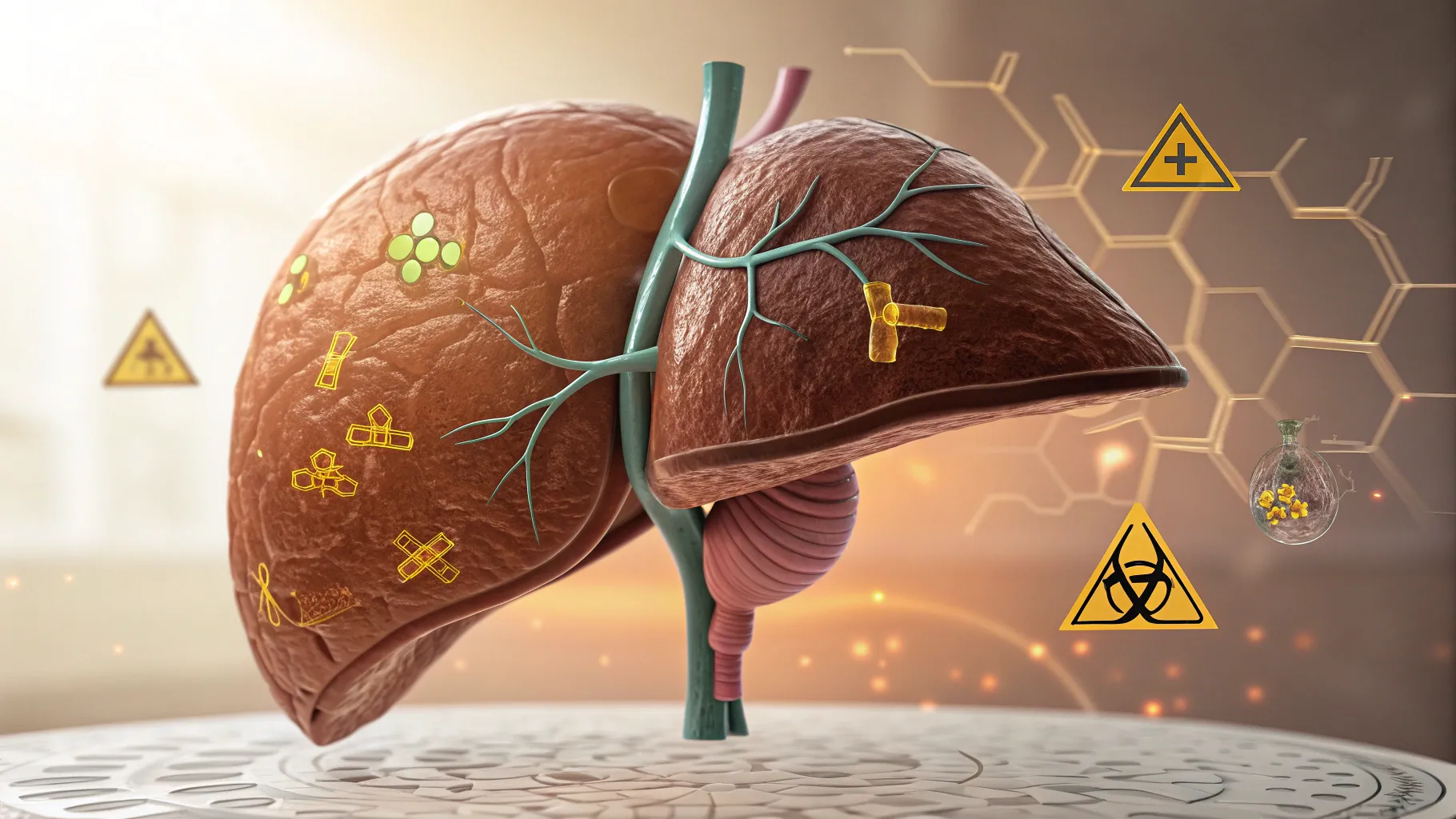
Common Symptoms Indicating Liver Dysfunction
Many people are unaware that their liver is struggling until serious complications arise. Recognizing the warning signs of poor liver function can be key to early intervention and successful treatment. Here are some common symptoms to watch out for:
- Fatigue: Persistent tiredness is one of the earliest signs. If you find yourself feeling exhausted even after a full night’s rest, it could indicate liver issues.
- Jaundice: A yellowing of the skin and eyes is often a visual cue that your liver is unable to effectively filter out toxins and waste.
- Dark Urine: If your urine is darker than usual, this may indicate high levels of bilirubin—concerning when it comes to liver health.
- Pale Stools: Conversely, light-colored stools can suggest that the liver is not producing enough bile, a critical digestive fluid.
- Itchy Skin: Persistent itching, which can feel almost unbearable, may occur due to bile salts accumulating in the bloodstream.
- Abdominal Discomfort: Pain or discomfort in the upper right abdomen is often indicative of liver enlargement or inflammation.
- Nausea and Vomiting: If you consistently feel nauseous after eating, this may signal liver dysfunction and should not be ignored.
- Weight Changes: Unexplained weight loss or gain is another symptom worth noting.
Recognizing these symptoms leads to earlier diagnosis and treatment, helping to safeguard your liver health.
Causes and Risk Factors of Liver Problems
Understanding what puts you at risk for poor liver function is essential in preventing future complications. In the last six months, researchers have identified several critical factors that can contribute to liver health issues:
- Alcohol Abuse: Chronic excessive alcohol consumption remains one of the leading causes of liver disease worldwide.
- Obesity: The rates of non-alcoholic fatty liver disease (NAFLD) continue to rise, largely due to increasing levels of obesity and metabolic syndrome.
- Diabetes: Diabetic individuals are significantly more likely to develop liver complications.
- Viral Hepatitis: Hepatitis B and C infections can lead to chronic liver disease and are critical focus areas for prevention efforts.
With the right lifestyle changes and early intervention, individuals can mitigate these risks and promote healthier liver function.
The Importance of Lifestyle Choices
Taking charge of your liver health starts with embracing healthier lifestyle choices. In 2025, more people are prioritizing fitness and diet, recognizing that prevention is paramount. Regular exercise and a balanced diet rich in fruits, vegetables, lean proteins, and whole grains can drastically improve liver function.
Moreover, avoiding harmful substances such as excessive alcohol and drugs can reduce the risk of liver damage. The growing popularity of liver-supporting supplements, such as milk thistle and turmeric, has also helped people in maintaining liver health. However, it’s essential to consult healthcare professionals before starting any new supplement regimen.
When to Seek Medical Attention
If you experience any combination of the above symptoms, it’s important to consult a healthcare professional or a liver specialist immediately. Early detection of liver problems can significantly impact treatment outcomes. Many healthcare providers are now using evolving technologies in diagnostics, such as advanced imaging techniques and blood tests, to assess liver health accurately. Additionally, the implementation of AI-driven tools helps to predict risks and personalize treatment plans.
Since the liver has a remarkable ability to regenerate, appropriate interventions can lead to significant recovery. For instance, in the past six months, numerous case studies have highlighted how lifestyle modifications, such as implementing a Mediterranean diet, can reverse early-stage liver disease.
Regular Check-ups and Screenings
In the modern era, awareness and prevention are key components of liver health. Routine check-ups can help identify liver dysfunction before serious damage occurs. These screenings may include blood tests to check liver enzymes, imaging studies like ultrasounds, and even biopsies when necessary. Health organizations recommend that individuals at high risk due to factors such as obesity or a family history of liver disease schedule regular liver function tests.
Overall, staying informed about the warning signs of poor liver function can empower individuals to take proactive measures towards their health. With the rising awareness of liver health, the integration of education and proactive care continues to improve health outcomes across populations.
As you embrace healthier habits in 2025, remember that your liver’s health is integral to your overall well-being. Your liver not only affects how you feel day-to-day but is also crucial in maintaining a healthy weight, managing energy levels, and even boosting your immune system. Stay vigilant, stay informed, and take care of your liver—it’s one of those organs you can’t live without!
Authored by FreshLifeWire team