Recognizing the Common Signs of Autism in 2025
Understanding the Signs of Autism in 2025
As we navigate through 2025, the understanding of autism continues to evolve, shedding light on the signs of autism and characteristics that can manifest in individuals. Autism spectrum disorder (ASD) is a neurodevelopmental disorder that affects an individual’s communication, behavior, and social interactions. Recognizing the signs of autism early can be crucial for timely support and interventions.
Common Signs of Autism in Children
- Communication Difficulties: One of the most noticeable signs of autism often lies in communication. Children with autism may struggle to develop language skills, leading to delays in speech or a limited vocabulary. Some may even prefer to use non-verbal methods to communicate, such as gestures or pictures.
- Social Challenges: Interacting with peers can be difficult for children on the autism spectrum. They may not understand social cues such as eye contact, tone of voice, or body language. This can lead to misunderstandings in social situations, resulting in feelings of isolation.
- Repetitive Behaviors: Repetitive movements or activities are common among children with autism. They might engage in hand-flapping, rocking back and forth, or spinning objects. This behavior can serve as a way to cope with sensory overload or anxiety.
- Strong Focus on Specific Interests: Many children with autism exhibit intense focus on particular interests or topics. This could range from dinosaurs to trains, and their enthusiasm can become all-consuming, often neglecting other activities or interests.
Identifying Signs of Autism in Adults
While many associate autism with children, it is important to recognize that individuals can also exhibit signs of autism in adulthood. Studies show that roughly 1 in 44 adults are diagnosed with autism, yet many remain undiagnosed. Here are some signs to look for:
- Difficulty with Social Interactions: Adults on the spectrum may find it challenging to engage in small talk or maintain conversations. They might also struggle with understanding social nuances, such as jokes or sarcasm, leading to confusion.
- Preference for Routine: Predictability is often crucial for adults with autism. A sudden change in routine, whether it’s a change in work schedules or family events, can lead to anxiety. These individuals might create strict schedules or rituals to provide a sense of safety.
- Sensory Sensitivities: Many adults with autism experience sensitivities to sensory stimuli. This could include being overwhelmed by loud noises or bright lights, which can lead to avoidance behaviors in certain environments.
- Focus on Details: An affinity for details rather than the bigger picture is common in adults with autism. This skill can be beneficial in certain professions that require precision, such as engineering or computer programming.
Real-World Examples of Autism Characteristics
In recent months, several case studies have illustrated the diverse manifestations of autism. For instance, a study conducted by the National Autistic Society in January 2025 highlighted that a significant number of adults with autism reported feeling misunderstood at work. Employers can support their autistic staff by fostering an inclusive environment, such as providing clear instructions and flexible work arrangements.
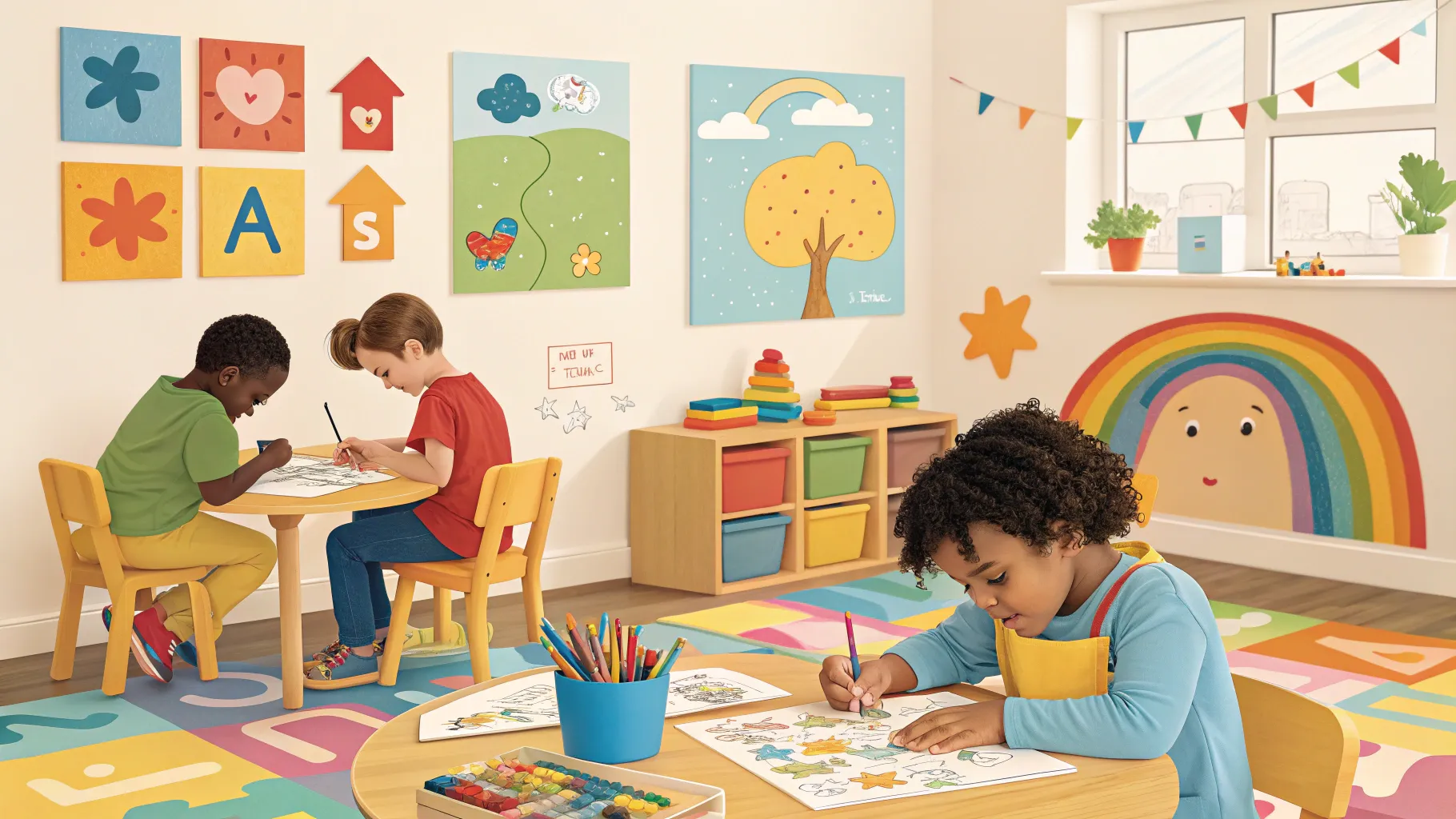
Additionally, a recent project showcased children with autism engaging in art therapy to enhance their communication skills. Through expressive arts, kids demonstrate their thoughts and feelings, often bypassing verbal communication hurdles while sharing their unique perspectives.
Statistics and Research on Autism Awareness
Awareness about autism has seen a notable increase over recent years. According to the Centers for Disease Control and Prevention, as of early 2025, autism prevalence rates continue to rise with approximately 1 in 44 children diagnosed. The focus on early intervention methods, such as behavioral therapy and social skills training, has significantly improved outcomes for many on the spectrum.
Moreover, many schools are now incorporating autism awareness programs into their curricula to better equip teachers and students alike. A recent survey conducted in March 2025 revealed that 80 percent of teachers reported feeling more prepared to handle the diverse needs of their students, thanks to training on recognizing and responding to signs of autism.
Importance of Early Intervention
Recognizing the signs of autism in children is of utmost importance. The earlier a child receives a diagnosis, the sooner they can access essential resources. Interventions such as Applied Behavior Analysis (ABA) and speech therapy have shown promising results in helping children develop crucial skills.
In 2025, parents and caregivers are more empowered with information about autism through a plethora of online resources and support groups. These collaborations foster an environment where families can share experiences and strategies, enhancing the overall understanding of autism while promoting inclusivity.
Seeking Support and Resources
If you suspect that you or your child may exhibit signs of autism, it’s crucial to seek professional guidance. Many healthcare providers specialize in diagnosing and supporting individuals with autism. Resources such as local autism societies offer many services, including counseling, community events, and educational programs.
Online platforms have also emerged, providing virtual support groups where families can connect and share valuable experiences. These communities not only offer support but also empower individuals to advocate for themselves or loved ones effectively.
As we move through 2025, understanding the signs of autism is ever more critical for fostering a compassionate society. By raising awareness about autism spectrum disorder, we contribute to a world where individuals on the spectrum can thrive and feel accepted.
Authored by FreshLifeWire team