Recognizing Parasites in Your Body Symptoms and Tests
Recognizing Parasites in Your Body: Symptoms and Detection
As our understanding of health expands, awareness of parasites and their potential impact on well-being has become increasingly crucial. It’s estimated that approximately 1 billion people globally are infected by one of the many types of parasites that can invade the human body. Knowing how to detect these unwelcome invaders is vital, as many symptoms can easily be dismissed as simple ailments. So, how can you tell if parasites might be a concern for you?
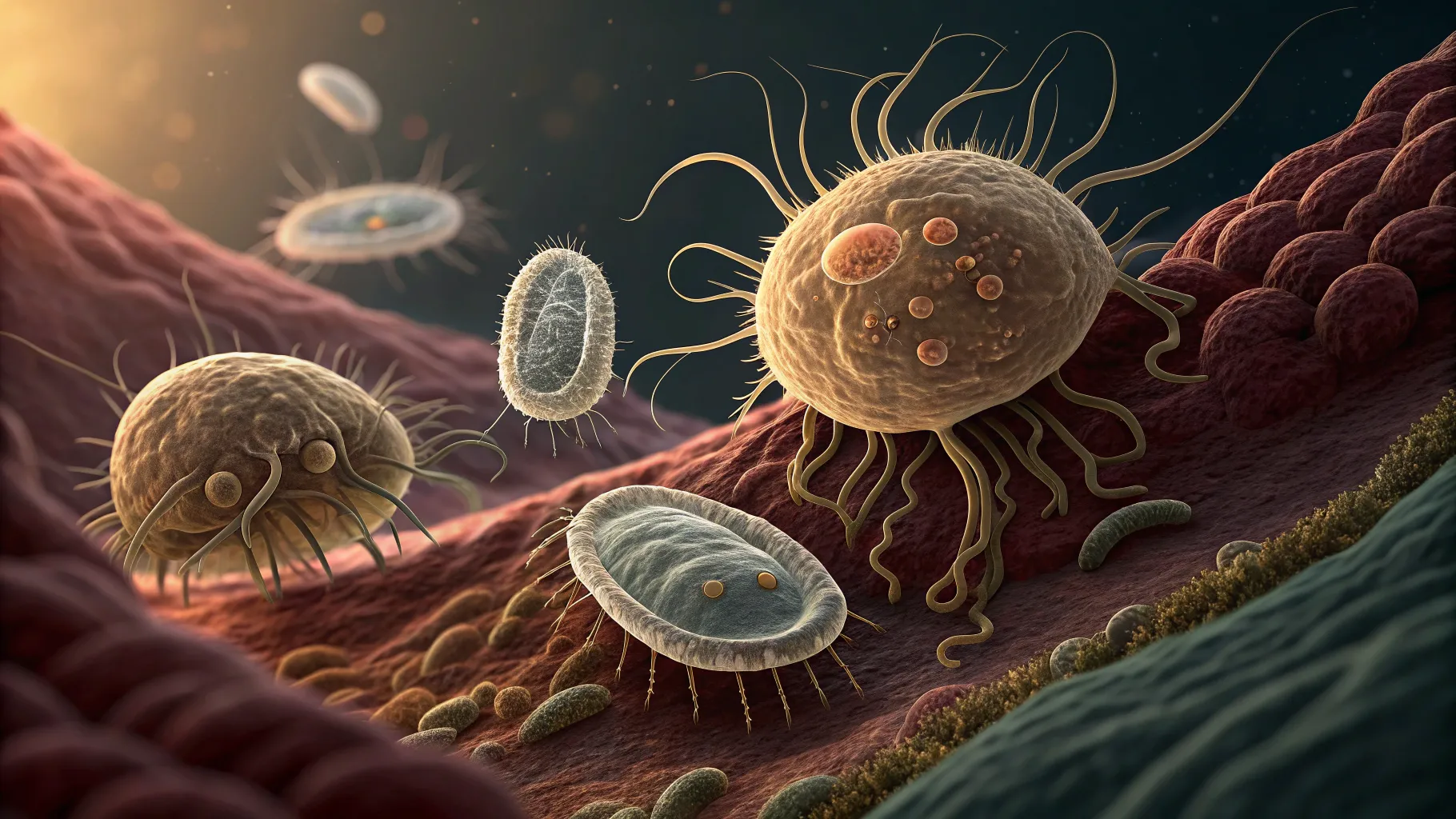
Identifying the Initial Symptoms of Parasites
The signs of a parasitic infection can range from mild to severe and are often mistaken for other health issues. Some of the first signs of parasites include:
- Persistent Fatigue: One of the most common signs of a parasitic infection is chronic fatigue. Many parasites thrive by depriving the host of essential nutrients, resulting in a feeling of constant exhaustion.
- Digestive Disturbances: Regular episodes of bloating, gas, or irregular bowel movements can suggest the presence of intestinal parasites. For instance, if you notice significant fluctuations in your digestive health, it might be worth consulting a healthcare professional.
- Unintentional Weight Loss: If you're noticing a drop in weight without a corresponding change in diet or exercise, it may indicate that parasites are feeding on the nutrients your body needs.
- Skin Issues: Rashes, unexplained itching, or skin irritations can sometimes be linked to parasitic infections. In some cases, you may even experience unusual outbreaks of acne or eczema.
- Appetite Changes: A sudden increase in appetite or cravings for sweets can signal the presence of parasites since they often manipulate the brain's signals to ensure their survival.
Detecting Intestinal Parasites: What You Need to Know
To confirm suspicions of intestinal parasites, relying solely on symptoms is often insufficient. Medical testing plays a crucial role in accurate diagnosis. If you suspect you may have a parasitic infection, here are some effective methods for detection:
Laboratory Testing Methods
Understanding what tests are available can empower you to take the next step in observing your health. The following techniques are commonly used:
- Stool Tests: One of the first diagnostics performed, stool samples are analyzed to detect the presence of parasite eggs, larvae, or the parasites themselves. Recent advancements have significantly increased the accuracy of these tests.
- Blood Tests: Certain types of parasitic infections can be identified through blood work. These tests look for antibodies or specific immune responses triggered by the infection.
- Imaging Tests: In situations where cyst formation is suspected in organs, imaging tools like ultrasound or MRI can help in visualizing the problem and confirming a diagnosis.
Healthcare providers can guide patients concerning the appropriate tests, emphasizing that self-diagnosis is not advisable.
Understanding the Appearance of Parasite Infections
The appearance of parasitic infections can vary greatly depending on the type of invader. For instance, a prevalent infection known as giardiasis, caused by the Giardia lamblia parasite, typically leads to symptoms like diarrhea, bloating, and a general sense of exhaustion. Alternatively, schistosomiasis, caused by a type of flatworm, can manifest with abdominal disorders, fatigue, and occasionally blood in the urine.
Do Parasites Contribute to Fatigue and Bloating?
Absolutely, parasites are known to disrupt your digestive system and overall nutrient absorption, which directly can lead to feelings of fatigue and discomfort. By consuming the body’s nutrients, they cause a depletion that may prevent individuals from feeling energized. Bloating and excessive gas are common as parasites feast on undigested food, making digestion increasingly uncomfortable.
Natural Approaches to Eliminate Parasites
While consulting a medical professional is important, those looking to complement their treatment with natural methods often seek alternative remedies. Some popular natural strategies include:
- Garlic: Renowned for its antibacterial and antifungal properties, garlic can act as a natural deterrent to parasites when added to meals regularly.
- Probiotics: Enhancing your gut flora with probiotics might help restore balance, thereby creating an environment less hospitable to parasites.
- Herbal Remedies: Herbs such as wormwood and black walnut hull have been traditionally used for their anti-parasitic properties, although it’s essential to approach these remedies with caution; the efficacy can vary, and research is ongoing.
- Dietary Adjustments: A focus on high-fiber foods and limiting sugar intake can shift the gut environment, making it less conducive for parasites to thrive.
Before embarking on any new treatment regimen, particularly involving natural remedies, it’s crucial to consult with a healthcare provider.
Identifying Parasites Through Testing
The exact tests that can detect parasites vary depending on the suspected infestation type. As highlighted earlier, stool tests remain the primary approach for diagnosing intestinal parasites, while blood tests can indicate specific parasites.
As science advances, new diagnostic techniques are frequently being introduced, boasting quicker detection rates and more accurate results. Recent developments in rapid testing technology hold the promise of simplifying and accelerating the recognition of parasitic infections.
Staying proactive about your health, maintaining regular check-ups, and being informed of the signs can significantly enhance your chances of early detection and effective treatment of parasitic infections. This approach helps ensure you maintain optimal health and well-being, free from these troublesome parasites.
Authored by FreshLifeWire team