Recognizing Early Symptoms of Leukemia and Diagnosis
Early Symptoms of Leukemia
In the world of hematologic cancers, leukemia stands out as a particularly aggressive and often unpredictable disease. Understanding the early symptoms of leukemia can be crucial for timely diagnosis and intervention. It’s important to recognize that leukemia is not a single disease but rather a group of cancers of the bone marrow and blood, with the most common types being Acute Lymphoblastic Leukemia (ALL), Acute Myeloid Leukemia (AML), Chronic Lymphocytic Leukemia (CLL), and Chronic Myeloid Leukemia (CML).
In essence, early detection plays a pivotal role in improving outcomes for patients. In recent years, research has highlighted several early warning signs that might indicate the presence of leukemia. These symptoms can be vague and might resemble other common conditions, which often leads to delays in seeking medical attention.
Recognizing the Early Stage
- Persistent Fatigue: One of the earliest and most common symptoms. Patients often describe feeling overwhelmingly tired or drained, even after restful sleep.
- Frequent Infections: Due to impaired immune function from faulty blood cells, leukemia patients experience recurrent infections, which may be unusual for their medical history.
- Easy Bruising or Bleeding: A telltale sign of leukemia is the tendency to bruise easily or for cuts to bleed longer than normal due to lowered platelet counts.
- Bone or Joint Pain: Patients may experience discomfort or pain in bones or joints, which can be attributed to the proliferation of abnormal cells.
- Swollen Lymph Nodes: Lumps might form in the neck, underarms, or groin caused by swollen lymph nodes as the body struggles to fight off infections.
- Unexplained Weight Loss: Unintentional weight loss can be alarming and is often linked to increased metabolism related to cancerous cells.
- Night Sweats or Fever: Recurrent fevers and night sweats often go hand in hand, which can be quite disconcerting.
Recognizing these symptoms can be challenging, particularly because they can also be associated with less severe conditions. A visit to a healthcare provider is essential if these symptoms present and persist.
Diagnosis and Blood Tests
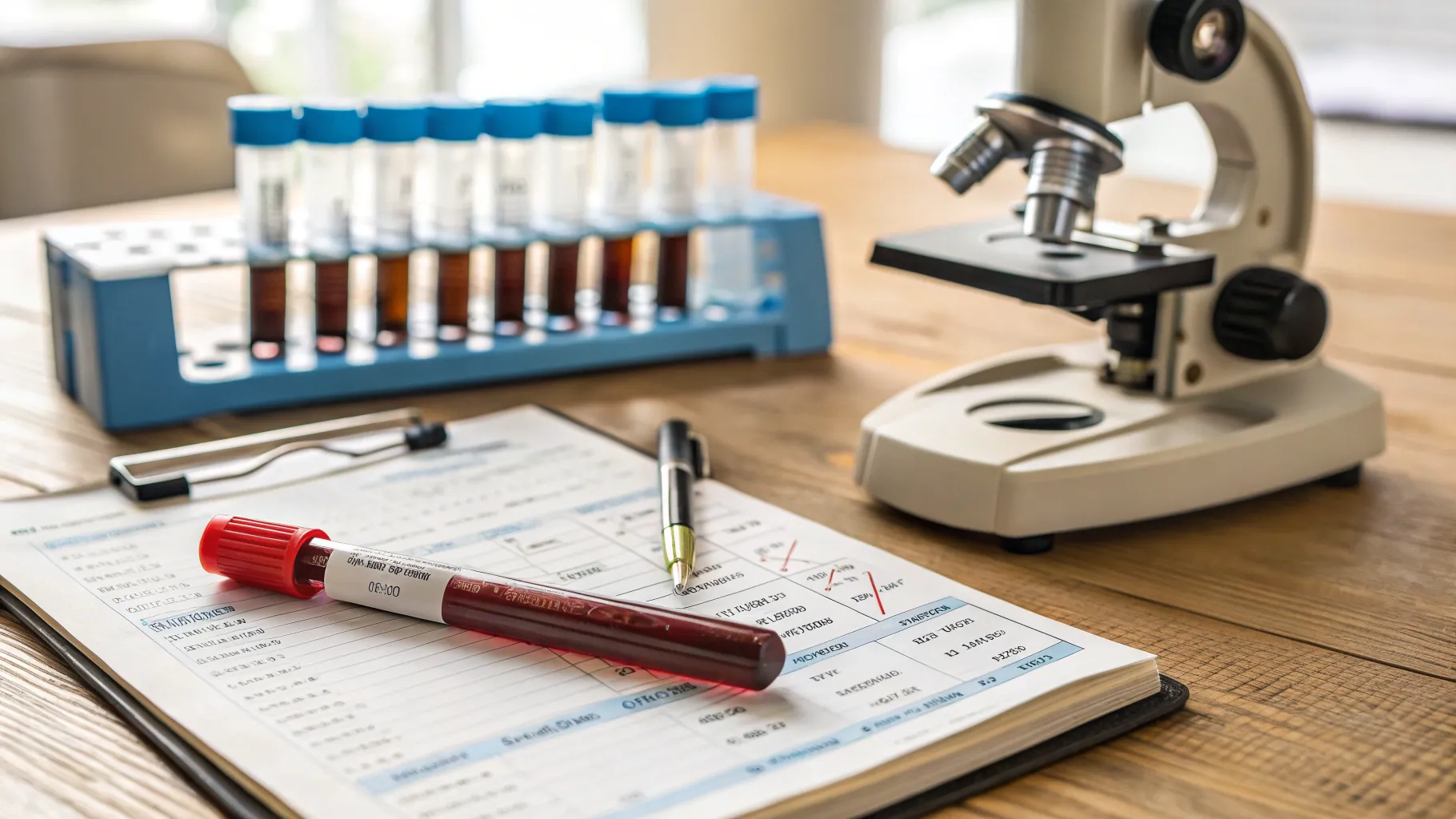
When symptoms suggest leukemia, healthcare professionals typically initiate a series of diagnostic tests to confirm or rule out the disease. Blood tests are among the first steps. A complete blood count (CBC) will measure levels of white blood cells, red blood cells, and platelets, often revealing abnormalities indicative of leukemia.
Additionally, a bone marrow biopsy, where a small sample of bone marrow is extracted and examined, becomes necessary for definitive diagnosis. The insight obtained from the bone marrow can help to determine the type of leukemia and aid in crafting a targeted treatment plan.
The cost of diagnosis can vary significantly, depending on factors such as location, healthcare provider, and whether patients have insurance coverage. On average, initial testing can range from $500 to $3000, including imaging tests and laboratory evaluations. However, early detection can save on extensive treatments later.
Understanding Treatment Costs
Treatment for leukemia often includes chemotherapy, radiation therapy, targeted therapy, and sometimes stem cell transplants. As this is a serious condition, the costs can add up swiftly. Depending on the type of leukemia, the stage at diagnosis, and the patient's health condition, treatment costs might range from $10,000 to over $500,000 over the course of treatment.
Many patients encounter financial hardships due to these associated costs. However, understanding treatment options and working with financial counselors in healthcare facilities can lead to more affordable strategies. Clinical trials may also provide alternative solutions, often at reduced or no cost.
The Path to Recovery and Support
After diagnosis and the commencement of treatment, the journey towards recovery begins. Patients may undergo chemotherapy, which while effective, can come with side effects. Managing these effects through supportive care is crucial. Patients are advised to maintain open lines of communication with their healthcare team to adjust treatment plans as needed and to address any complications that may arise.
Support networks play an invaluable role in the recovery process. Organizations provide resources ranging from nutritional advice to mental health support which can greatly benefit patients and their families. For instance, community groups often hold monthly meetings where individuals battling leukemia can share experiences and coping strategies.
Risks and Complications
Every medical intervention carries risks. With leukemia treatment, these risks can sometimes extend beyond the immediate health issue. Complications such as infections, organ complications, and even secondary cancers can occur due to aggressive treatments. Thus, monitoring during and after treatment is crucial to addressing these potential health challenges.
Moreover, patients must remain vigilant about monitoring their health and reporting any unusual symptoms, as early intervention is vital in managing complications. Regular follow-ups with healthcare providers are essential, as well as adherence to post-treatment protocols.
In summary, early recognition of leukemia symptoms, understanding the diagnostic pathways, treatment options, and recovery support are fundamental for patients and families navigating this challenging landscape. While the journey may be daunting, awareness, education, and community support can empower patients facing leukemia today.
Authored by FreshLifeWire team