Recognizing Early Signs of Vulvar Cancer
Understanding Early Signs of Vulvar Cancer
Vulvar cancer develops in the external area of the genital region and often begins with subtle changes that can be easy to overlook. In many cases, early warning signs are mild or mistaken for common skin irritations, infections or reactions to hygiene products. Persistent itching, burning, tenderness or discomfort in the area are examples of early sensations that deserve attention when they do not improve over time. Some people notice small patches of skin that look or feel different, such as becoming thicker, rougher or discolored compared with the surrounding tissue. Others may see a small lump, sore or growth that does not heal as expected, even after changing soaps, creams or underwear. Because these signs can be similar to those of benign conditions, they are sometimes underestimated, which may delay assessment. Learning to recognize patterns of change and how long symptoms last is an important step in supporting early detection of vulvar cancer.
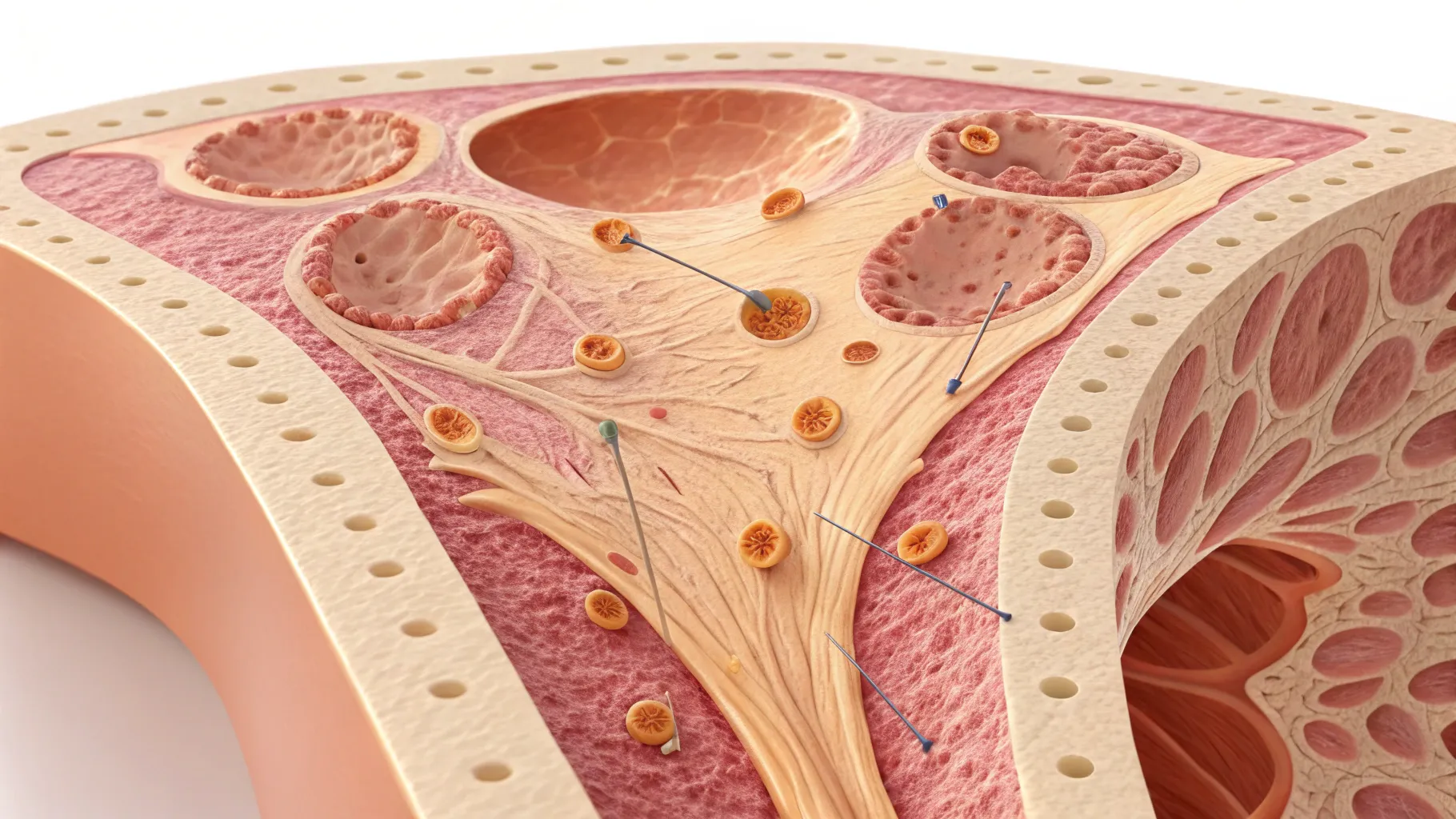
Another key point is that early changes do not always cause pain. A patch of skin may look slightly raised or lighter or darker than usual without causing discomfort at first. A sore that bleeds lightly after friction from clothing can be dismissed as minor irritation, but if it persists, it may represent something more significant. Some people also notice swelling in the groin area related to enlarged lymph nodes, which can appear as small lumps under the skin. Understanding that early signs can be quiet or non-specific helps highlight the value of paying attention to any persistent change, even if it seems small.
Recognizing Early Physical Symptoms
Physical symptoms of vulvar cancer usually involve changes in sensation, appearance or both. Ongoing itching that does not resolve with usual measures, such as switching to mild products or using basic moisturizers, is one of the most commonly reported early complaints. Burning or stinging sensations, particularly when urinating or after contact with clothing, may also appear over time. Some people describe a feeling of soreness or rawness in the area, as if the skin were constantly irritated. Visible signs can include redness, thickening, flaking or scaling of the skin, as well as small open sores that do not heal within a few weeks. Light bleeding or spotting from the vulvar area, especially after intercourse or hygiene routines, is another signal that should not be ignored. Unusual discharge, a persistent sense of pressure or a noticeable lump can further add to the picture of suspicious symptoms.
As the condition progresses, discomfort during sitting, walking or sexual activity can increase. Pain may become more localized to a specific spot that feels different from the surrounding tissue. Some individuals notice that applying over-the-counter creams gives only brief or no relief, which can be a clue that the underlying cause is not a simple rash or infection. While these symptoms can be related to other conditions, such as inflammatory skin disorders or infections, their persistence and combination are important reasons to consider a professional evaluation. Recognizing patterns in intensity, duration and location of physical symptoms is central to acting early.
Changes in Moles and Skin Lesions
Changes in moles and skin lesions on the vulvar area can be a critical early sign of malignancy. Any mole that starts to grow, change color, become irregular in shape or develop an uneven border should be observed carefully. A lesion that becomes darker or shows multiple shades of brown, red, white or black may represent a higher level of concern. New bumps that appear wart-like, cauliflower-like or have a rough surface also deserve attention, particularly if they enlarge or multiply over time. Open sores or ulcers that remain for several weeks without healing, even when friction or trauma is minimized, should always be taken seriously. Small spots that bleed easily or form a crust repeatedly can indicate underlying abnormal cell growth. In the context of vulvar skin, where visibility can be more challenging, occasional self-examination with a mirror can help identify these changes earlier.
It is also useful to note whether a lesion is associated with symptoms such as itching, pain or burning. While not every changing mole or spot represents vulvar cancer, the presence of evolving features makes further assessment important. In some cases, a biopsy is needed to clarify the nature of the lesion, and this is the only way to confirm or exclude cancer cells. Recognizing that persistent, changing moles and skin lesions in this region require medical attention can support earlier diagnosis and, potentially, a wider range of vulvar cancer treatment options.
The Importance of Regular Health Check-Ups
Regular health check-ups play a central role in detecting vulvar cancer at an earlier stage. Even in the absence of symptoms, periodic examinations allow trained professionals to inspect areas that may be difficult to see on a daily basis. During routine gynecologic visits, clinicians can identify subtle skin changes, small lesions or suspicious patches that might otherwise go unnoticed. These appointments also provide an opportunity to discuss new sensations, bleeding patterns or discomfort that might seem minor but are persistent. When changes are identified early, diagnostic steps such as targeted examination and biopsy can be arranged more quickly.
There is no universal screening test specifically designed for vulvar cancer, which makes awareness and clinical evaluation even more important. Self-exams can complement professional check-ups by helping individuals become familiar with their own baseline appearance, making new changes easier to detect. Combining regular visits with personal awareness enhances the chance of early detection of vulvar cancer. Keeping a simple record of when symptoms started, how they evolve and any treatments tried can be very helpful during consultations.
Lifestyle Factors and Risk Reduction
While not all cases of vulvar cancer are linked to lifestyle, certain factors may influence risk. Chronic irritation or inflammation of the vulvar skin, long-standing skin conditions and persistent infections can contribute to changes in cells over time. Infection with high-risk types of human papillomavirus (HPV) is recognized as an important factor for many cancers in the anogenital region. Smoking is another factor associated with increased risk, as it can affect immune responses and the way tissues handle damage. Maintaining a smoke-free lifestyle, practicing safer sexual behaviors and addressing persistent skin problems with professional help can therefore be meaningful steps toward risk reduction.
General health habits also support overall well-being in the context of a cancer diagnosis or risk. A balanced diet for vulvar cancer care and prevention often focuses on maintaining a healthy weight, supporting immune function and providing adequate nutrients. While no specific eating pattern can guarantee prevention, emphasizing fruits, vegetables, whole grains and lean proteins can contribute to better health during and after vulvar cancer treatment. Managing chronic conditions, staying physically active within individual limits and reducing exposure to known irritants can complement medical strategies for lowering risk.
Practical Steps for Early Detection
Practical steps for early detection begin with paying close attention to any long-lasting changes in the vulvar region. Setting aside a moment periodically to check for new lumps, sores, color changes or texture differences can make a significant difference over time. Using a handheld mirror in a comfortable, private setting helps you become familiar with what is normal for your body. If you notice a lesion that does not heal, a patch of skin that continues to thicken, or a new mole that changes in size or color, it is important to bring this up during a medical visit. Keeping track of symptoms such as itching, pain, burning or unusual bleeding, including when they started and what seems to worsen or improve them, can provide useful information for healthcare professionals.
Educational tools, such as a simple vulvar cancer quiz, can help highlight common warning signs and prompt people to take persistent changes seriously. Although these tools cannot diagnose conditions, they can raise awareness of what deserves further evaluation. If someone has undergone radiation for vulvar cancer or another treatment in the past, follow-up schedules are especially important, and any new symptom should be reported promptly. Organizing regular appointments, following recommendations for monitoring and seeking clarification whenever doubts arise are all practical ways to support earlier recognition and response.
When to Seek Medical Advice
Medical advice should be sought whenever symptoms persist beyond a short period or recur despite basic measures. If itching, burning or soreness lasts more than a couple of weeks and does not respond to gentle care and avoidance of irritants, a clinical evaluation is warranted. Any lump, sore, ulcer or growth that remains beyond a few weeks, enlarges or starts to bleed should be examined. Bleeding not related to a menstrual cycle, especially after contact or friction, is an additional signal that deserves timely attention. Pain during urination, intercourse or simple daily activities that does not improve can also indicate that further investigation is needed.
People with a history of precancerous vulvar changes, HPV-related conditions or previous vulvar cancer should be particularly alert to new symptoms. For them, discussing strategies on how to prevent vulvar cancer recurrence or progression is part of ongoing care. In all cases, early consultation does not mean a diagnosis of cancer is certain, but it does allow for prompt assessment and reassurance or targeted management. Acting as soon as there is concern can open the door to a wider range of vulvar cancer treatment options if something significant is found.
Key Takeaways
Key points about early signs of vulvar cancer include the recognition that symptoms can be subtle and easily confused with more common conditions. Persistent itching, burning, pain, skin changes, new lesions and unexplained bleeding are among the most important warning signs. Changes in moles or patches of skin that evolve in size, color, shape or surface texture should never be ignored. Because there is no standard screening test for this disease, regular check-ups and personal awareness are vital for early identification.
Adopting supportive habits such as avoiding tobacco, managing chronic skin irritation and following a balanced diet for vulvar cancer care and recovery can contribute to overall health. Using educational resources, planning routine visits and seeking help promptly when changes arise are practical ways to support early detection of vulvar cancer. While not every symptom will lead to a cancer diagnosis, taking them seriously helps ensure that, if vulvar cancer is present, it can be addressed as early as possible.
References:
https://www.cancer.gov/types/vaginal/patient/vulvar-treatment-pdq
https://www.mayoclinic.org/diseases-conditions/vulvar-cancer/symptoms-causes/syc-20352520
https://www.acog.org/womens-health/faqs/vulvar-cancer
Authored by FreshLifeWire team