Recognizing Early Signs of Stroke and Prevention Tips
What are the Early Signs of a Stroke
Spotting the early signs of a stroke can be a lifesaver. In fact, timely recognition and action can significantly increase the chances of recovery. In 2025, understanding these symptoms remains critical as around 795,000 Americans experience strokes each year according to the Centers for Disease Control and Prevention (CDC).
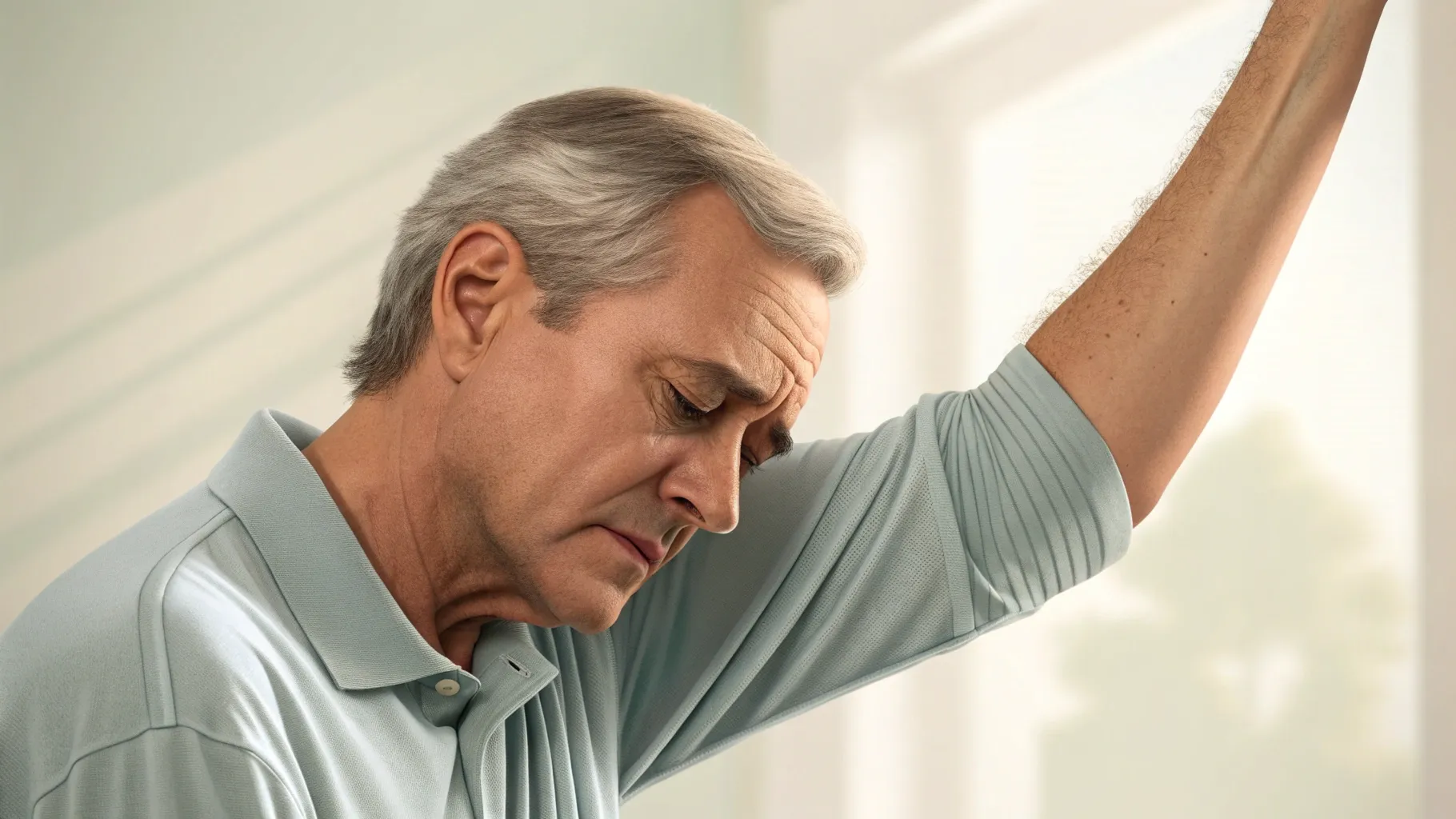
The acronym FAST is widely used to help people remember how to quickly identify if someone might be having a stroke. Here’s what it stands for:
- Face: Ask the person to smile. Does one side of their face droop?
- Arms: Can they raise both arms? Is one arm weaker than the other?
- Speech: Is their speech slurred? Can they repeat a simple sentence?
- Time: If you observe any of these signs, it’s time to call emergency services.
These signs can manifest suddenly and may not be the same for everyone, but they are fundamental indicators that help in recognizing a stroke early. Early detection is essential because it allows for quicker intervention which can mitigate permanent damage.
How to Recognize a Stroke Early
Apart from the FAST acronym, there are other symptoms that can occur:
- Numbness or weakness: This can happen in the face, arms, or legs, especially on one side of the body. For instance, a person may suddenly feel like they can't move one side of their body.
- Confusion: This can come as unexpected problems understanding speech, leading to difficulty in completing conversations.
- Vision problems: Blurry or double vision, especially when occurring suddenly, could indicate a stroke.
- Headache: A sudden, severe headache without an obvious cause can also be a warning sign, especially if it's accompanied by other symptoms.
Statistics indicate that about 20% of all strokes are preceded by a mini stroke or transient ischemic attack (TIA). Recognizing a mini stroke is crucial as it can indicate a higher risk of a full stroke occurring soon after. TIAs may present similar symptoms to those of strokes, but they typically resolve within a few minutes to a few hours. Regular checkups and monitoring of health indicators can significantly reduce stroke risk for elderly individuals, who are often disproportionately affected.
Identifying stroke symptoms early can dramatically influence outcomes. For those experiencing symptoms, seeking immediate medical assistance is crucial. Stroke treatments are most effective within the first few hours of onset, especially in the case of ischemic strokes which are the most common type.
What to Do if Stroke Symptoms Appear
If you or someone else is exhibiting any signs of a stroke, it is vital to act quickly. Calling emergency services is the first and most important step. It is imperative to be aware of the time frame as time lost is brain lost. The effects of a stroke can worsen the longer it takes to receive treatment.
During the wait for medical help, try to stay calm. If the person is conscious, keep them comfortable and do not give them food or drink, as swallowing may be impaired. Providing essential information to emergency responders, such as when symptoms started and whether the person takes medications, can be beneficial.
Risk Factors that Cause Stroke
Understanding the risk factors for stroke is essential for prevention. They can be classified into controllable and uncontrollable factors:
- Controllable risk factors: These include high blood pressure, high cholesterol, diabetes, obesity, smoking, and a sedentary lifestyle. Regular exercise paired with a healthy diet is one of the best preventive steps.
- Uncontrollable risk factors: Age, family history, race, and prior history of strokes or heart attacks are among the factors that cannot be changed but can be monitored closely.
Recent studies highlighted that strokes are becoming more prevalent among younger adults, making it increasingly essential for everyone to be educated about these early signs and the corresponding actions required.
How to Prevent Stroke in the Elderly
Specifically focusing on the elderly, steps can be taken to reduce their risk. Regular medical checkups to monitor blood pressure and cholesterol levels are crucial. Additionally, managing chronic conditions like diabetes through medication and lifestyle changes can significantly lessen the chances of a stroke. Staying physically active, even with light exercise, is tremendously beneficial. A balanced diet rich in fruits, vegetables, whole grains, and lean proteins contributes positively as well.
Also, engaging in mental exercises such as puzzles or reading can keep brain functions sharp. Staying socially active through community groups or family gatherings prevents isolation, which is a contributor to health risks in this age group.
Awareness about facial numbness is another vital point. Many may wonder does facial numbness mean stroke? The answer is yes; combined with other signs, it can indeed indicate the onset of a stroke. Immediate response to these symptoms is critical in decreasing the likelihood of severe effects or even death.
To encapsulate the pressing nature of stroke awareness, it is clear, both education and swift response are essential components in combating this medical emergency that affects so many lives each year.
By understanding the early signs and risk factors of a stroke, we not only protect ourselves but also empower others to act swiftly when faced with these symptoms.
Authored by FreshLifeWire team