Recognizing 10 Common Signs of Anxiety Disorder
10 Common Signs of Anxiety and How to Recognize Them
Anxiety disorders are among the most prevalent mental health challenges today, impacting millions of people globally. In fact, recent statistics reveal that nearly 20% of adults will experience anxiety disorders at some point during their lives. While it is normal to feel anxious occasionally, promptly recognizing the early symptoms of an anxiety disorder is crucial. By understanding these signs, individuals can address their mental health proactively, leading to improved well-being.
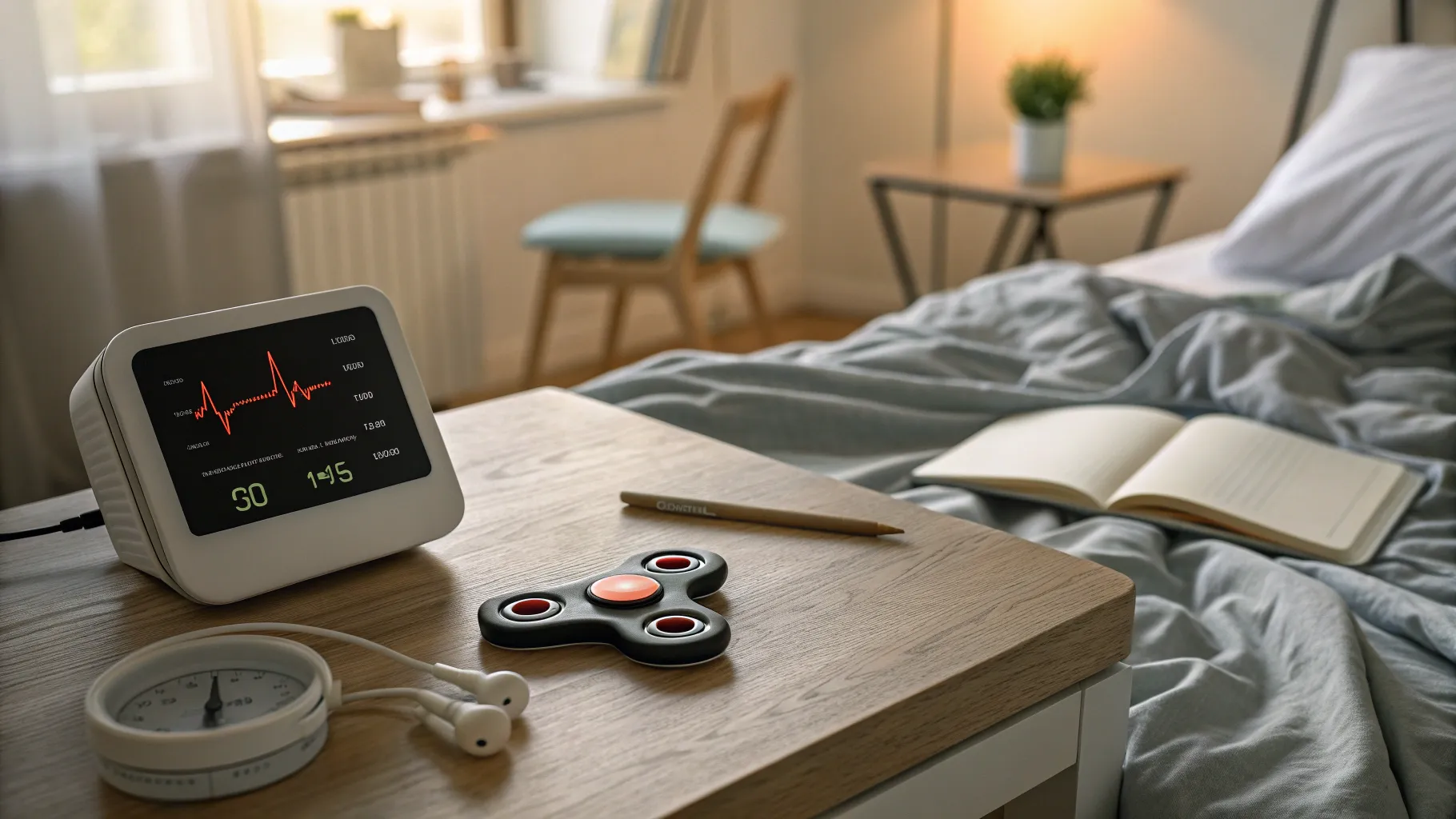
Recognizing the Early Symptoms of Anxiety Disorder
Identifying anxiety is essential for early intervention. Here are ten common signs that may indicate someone is dealing with anxiety:
- Restlessness: One of the key indicators of anxiety is a persistent feeling of restlessness. Individuals may find themselves unable to relax, often fidgeting or feeling a constant urge to keep moving. This physical manifestation can significantly disrupt daily activities.
- Increased Heart Rate: A racing heart is a frequent symptom experienced during anxious moments. The body's fight or flight response kicks in, leading to heightened heart activity, which often accompanies feelings of panic.
- Excessive Worry: One of the hallmark traits of anxiety is a tendency to worry incessantly about various aspects of life, such as health, finances, or even social situations. This excessive worrying can often feel overwhelming, causing individuals to struggle to catch a break from their thoughts.
- Difficulty Concentrating: Feelings of anxiety often make it challenging to focus. Many people report that their minds feel foggy, hindering their ability to complete tasks, both at work and in personal life.
- Sleep Problems: Anxiety can wreak havoc on sleep patterns, leading to conditions like insomnia. Individuals may wrestle with falling asleep or staying asleep due to racing, anxious thoughts echoing in their minds.
- Fatigue: Chronic fatigue is often a silent yet powerful symptom of anxiety. The mental and physical toll that anxiety takes can be exhausting, leading to fatigue that persists, even with adequate sleep.
- Physical Symptoms: Anxiety often presents itself physically. Symptoms such as headaches, stomachaches, and muscle tension can aggravate the situation. These physical discomforts might be mistaken for other medical issues, further complicating recognition.
- Avoidance Behaviors: Individuals grappling with anxiety may begin to avoid certain places, people, or situations that trigger their symptoms. This avoidance can lead to a significant decline in their quality of life and daily functioning.
- Feelings of Panic: Some individuals experience panic attacks—sudden periods of intense fear accompanied by physical symptoms like shortness of breath, sweating, or overwhelming dread. Understanding how to cope with these episodes is crucial for managing anxiety.
- Social Withdrawal: Anxiety can often cause individuals to feel overwhelmed in social settings, prompting withdrawal from interactions and gatherings. This social isolation can foster loneliness and exacerbate anxiety symptoms.
Understanding the Differences Between Stress and Anxiety
It is essential to differentiate between normal stress and anxiety disorders. Stress is typically a reaction to specific challenges or events, while anxiety is characterized by a persistent level of fear or unease that can exist without an identifiable stressor. Recognizing these distinctions is vital in deciding when to seek help for anxiety.
Latest studies show a troubling trend: many people misinterpret their anxiety as mere stress. They often believe it's something that will resolve itself over time. However, if anxiety symptoms persist for over six months or begin interfering significantly with daily life, it’s crucial to consult a mental health professional. Understanding when to reach out for assistance can make a significant difference in recovery.
When to Seek Help for Anxiety
Knowing when to seek professional help can often feel daunting. However, it is one of the most vital steps towards regaining control over your mental health. Here are some signs that indicate it may be time to consult a mental health expert:
- If your anxiety affects your relationships or work performance, it might signal that professional help is necessary.
- If your worries feel overwhelming and out of control, seeking guidance can provide the support you need to manage those feelings effectively.
- Consider reaching out if your anxiety symptoms begin to impact your physical health, leading to persistent headaches or stomach issues.
- If you find yourself distancing from social activities you once enjoyed, this withdrawal can be a major red flag that shouldn’t be ignored.
- If self-help strategies are not alleviating your anxiety symptoms, it’s important to reach out for professional support.
As society gradually enhances mental health awareness, understanding anxiety symptoms and their effects can empower individuals to take charge of their well-being. Awareness campaigns and support networks are increasingly vital in educating people about anxiety disorders, their myriad signs, and the resources available to manage them.
In 2025, recognizing anxiety signs is not only essential for self-awareness but also for supporting those around you. By being attuned to the early symptoms, individuals can prompt timely interventions, particularly as mental health challenges continue to rise globally in today’s fast-paced environment. Taking the steps toward understanding anxiety might just create a healthier community that addresses mental health more effectively.
Authored by FreshLifeWire team