Recognizing Symptoms of Brain Aneurysms for Early Detection
Understanding the Symptoms of Brain Aneurysm
Brain aneurysms, commonly referred to as cerebral aneurysms, often develop without noticeable symptoms, causing many individuals to remain unaware of their presence until it is too late. As we navigate through 2025, healthcare providers are increasingly emphasizing the importance of early recognition of the symptoms of brain aneurysms. It is vital to educate ourselves on these indicators, as they can point to potentially life-threatening situations. In this article, we will explore key symptoms that should never be ignored, as well as some crucial steps to take if they arise.
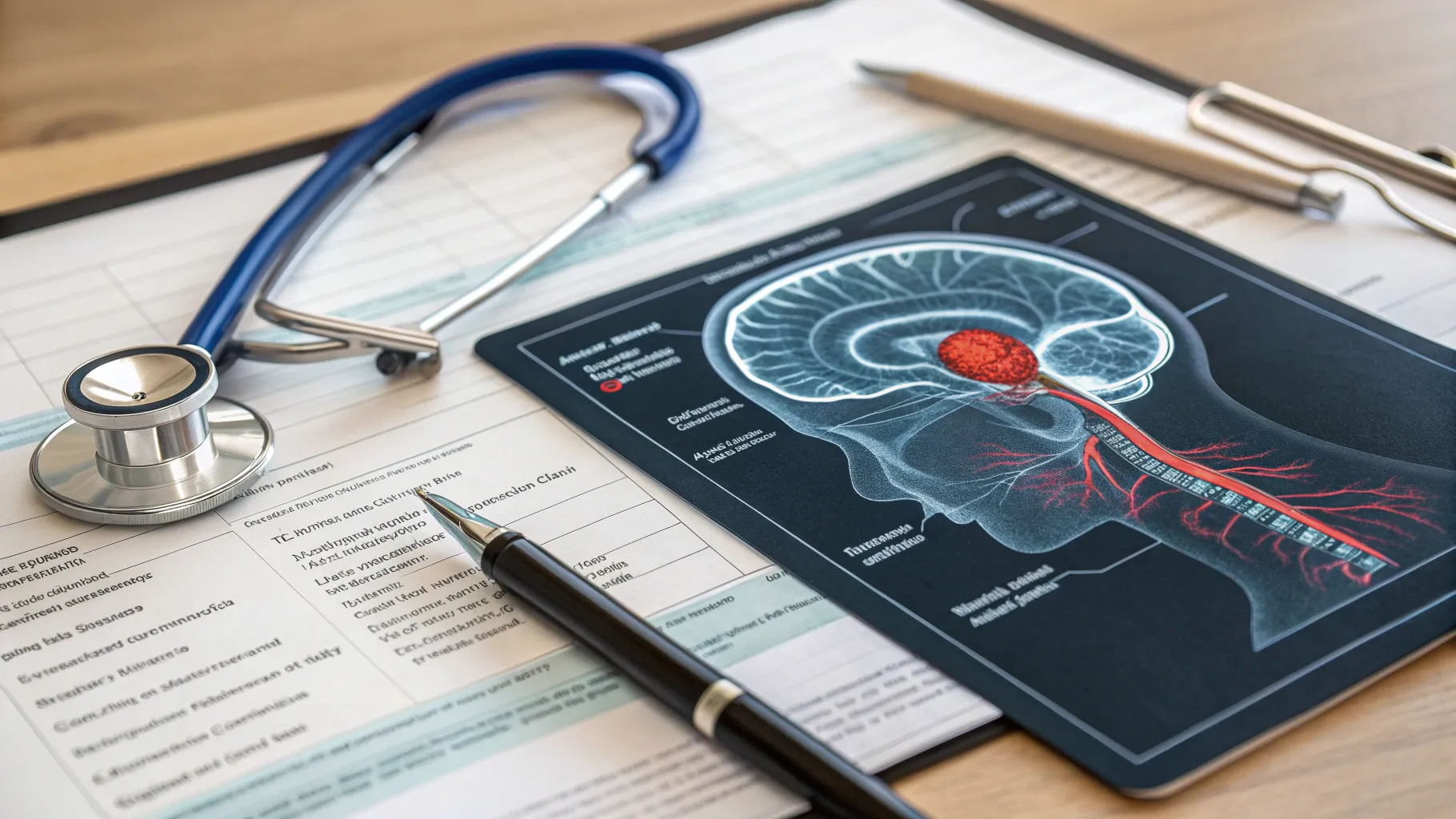
Sudden Severe Headache: A Sign to Take Seriously
One of the most alarming symptoms indicating a brain aneurysm is the occurrence of a sudden severe headache. Often described by patients as the worst headache they've ever experienced, this type of pain appears suddenly and is typically intense, striking without any prior warning. Surprisingly, studies conducted in 2025 reveal that nearly 50% of patients with a ruptured brain aneurysm reported experiencing this debilitating headache. This specific symptom is a clear signal that immediate medical attention is necessary. The pain may present as localized or generalized, but in any form, it's crucial to act swiftly, as it could indicate an impending crisis.
Vision Alterations: An Important Aneurysm Indicator
Individuals suffering from a brain aneurysm may also experience vision changes. These alterations can range from blurred vision to double vision, or even difficulty seeing altogether. The vision issues typically arise due to pressure on the optic nerve caused by the expanding aneurysm. If you or someone you are close to begins noticing these vision problems alongside intense headaches, it is essential to consult a healthcare professional immediately.
Nausea and Vomiting: The Unexpected Symptoms
Interestingly, nausea and vomiting can also be linked to brain aneurysms. Numerous patients have reported feelings of nausea or episodes of vomiting, particularly in the earlier stages of a developing aneurysm or even before a rupture occurs. These gastrointestinal symptoms often accompany severe headaches, leading individuals to misattribute them to minor ailments like migraines or mild infections. Consequently, it’s vital not to overlook these signs as mere inconveniences, but rather to recognize them as significant warning signals.
Neck Pain: A Common but Overlooked Symptom
Another telltale sign associated with brain aneurysms is neck pain. This discomfort can vary significantly, from mild tightness to severe pain. Medical professionals in 2025 have documented numerous cases where unexpected neck pain was among the first warning signs preceding a major health event, such as an aneurysm rupture. Thus, if neck pain suddenly manifests alongside symptoms like severe headaches or vision changes, seeking prompt medical care is critical.
Loss of Consciousness: A Serious Indicator
In serious instances, a brain aneurysm can lead to a loss of consciousness. This symptom may manifest as a seizure or occur suddenly during what seems like a regular activity. Experiencing a loss of consciousness is a severe sign and should never be dismissed lightly. Recent statistics indicate that about 30% of individuals with a ruptured aneurysm report such episodes, which can have dire health consequences if prompt medical action is not taken.
Taking Action: What to Do if You Experience Symptoms
If you or someone you care about begins exhibiting symptoms consistent with a brain aneurysm, swift action is essential. Here are several steps you can take that could mean the difference between life and death:
- Seek Immediate Medical Attention: If severe symptoms present themselves, call emergency services right away. The urgency of these symptoms cannot be overstated.
- Be Prepared for a Medical Evaluation: When help arrives, provide the medical personnel with detailed information about the symptoms, when they began, and any prior medical history that may be relevant.
- Follow Up Diligently: If diagnosed with an aneurysm, adhere to all medical recommendations and treatments prescribed by healthcare professionals to manage the condition effectively.
Aside from reactionary measures, taking preventative steps plays a crucial role in managing brain aneurysm risk factors. Regular health check-ups can help in monitoring potential risk elements like high blood pressure. In 2025, experts continue to advocate for a heart-healthy lifestyle, emphasizing the importance of regular physical activity, a balanced diet, and avoiding smoking as proactive strategies to mitigate the likelihood of developing an aneurysm.
Statistics on Brain Aneurysms: A Call for Awareness in 2025
Understanding the prevalence and potential repercussions of brain aneurysms is essential for the public. Recent data indicates that around 6 million people in the United States live with unruptured brain aneurysms, and each year, an estimated 30,000 people experience a rupture. Disturbingly, approximately 40% of those affected do not survive. Recognizing this stark reality underscores the need for heightened awareness.
Healthcare initiatives in 2025 focus on educating the public about symptoms and risk factors associated with brain aneurysms. Campaigns aimed at raising awareness are increasingly essential for fostering early diagnosis, significantly improving patient outcomes.
Ultimately, staying informed about the symptoms of brain aneurysms can significantly influence an individual’s health journey. By recognizing and spreading awareness of warning signs such as sudden severe headaches, vision changes, neck pain, nausea, and potential loss of consciousness, we contribute to ensuring timely medical responses in critical moments. Vigilance and education can genuinely save lives.
Authored by FreshLifeWire team