Recognizing Blood Clot Signs DVT Symptoms and Prevention
Understanding Blood Clots Signs You Should Not Ignore
In our fast-paced world of 2025, staying informed about blood clots is vital. Epidemiological research shows that millions of people are affected by conditions related to blood clots each year, leading to severe health risks. Recognizing the early signs can lead to timely interventions that save lives. Blood clots can form in various parts of the body, but one of the most concerning is Deep Vein Thrombosis (DVT), which typically develops in the legs and can lead to serious complications.
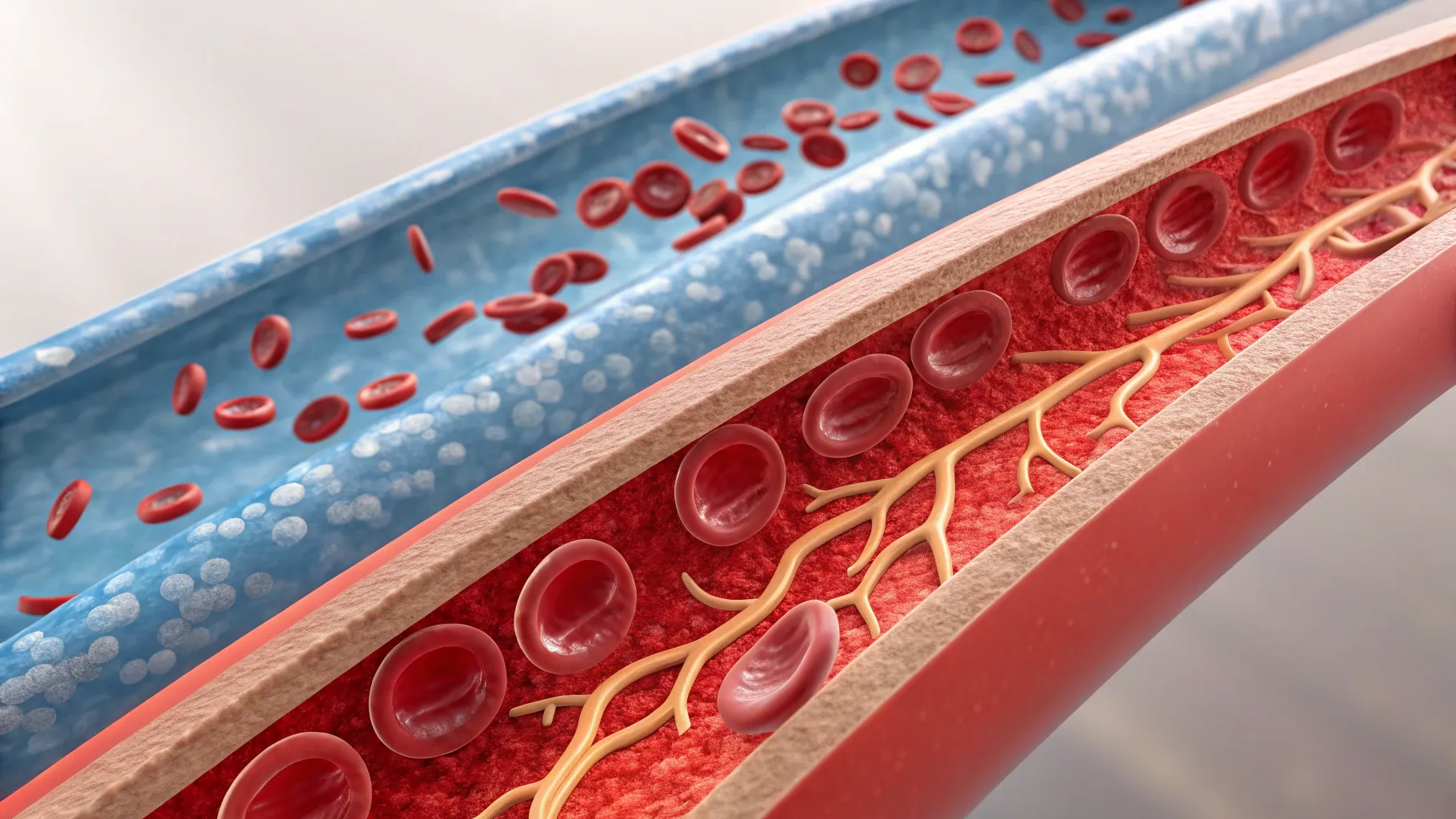
Identifying DVT Signs What to Look For
Being able to identify DVT symptoms is crucial. Here are some key signs that may indicate this serious condition:
- Leg Swelling: One of the most common signs of a blood clot is visible swelling in one leg. This may also come with a feeling of heaviness or pressure in the affected limb.
- Pain and Tenderness: Many individuals report pain in their leg, particularly in the calf area. This pain might be sharp and resemble cramping or soreness, often causing people to misinterpret it as just normal fatigue.
- Changes in Skin Color: Discoloration around the area of the clot may also occur. The skin may appear pale or develop a bluish tint, which can be a sign of reduced blood flow.
A startling statistic reveals that around 50% of individuals with DVT do not experience any symptoms, making it crucial to be vigilant and aware of potential warning signs.
Chest Pain Warning Signs Related to Blood Clots
While DVT symptoms often involve the legs, blood clots can also travel to the lungs, resulting in a condition known as pulmonary embolism (PE). This serious complication can result in life-threatening situations. Recognizing these signs is essential:
- Sudden Shortness of Breath: This symptom can appear unexpectedly, sometimes even when at rest. Don’t ignore sudden difficulties in breathing.
- Persistent Chest Pain: If you experience sharp or stabbing pain in your chest, especially during deep breaths or if you cough, it could be cause for concern.
- Rapid Heart Rate: An unusually fast heartbeat may accompany feelings of anxiety or dizziness, potentially signaling something serious.
A recent public health awareness campaign highlighted the significance of identifying these symptoms quickly, as early treatment of PE can drastically reduce mortality rates.
Recognizing Clot Risk Factors
Certain individuals possess a heightened risk of developing blood clots due to lifestyle choices or medical conditions. Here are some primary risk factors to consider:
- Prolonged Immobility: Extended periods of sitting, such as on long flights or during recovery from surgery, increase the likelihood of DVT.
- Age: Individuals over 60 generally face increased risks because aging can affect circulation and blood vessel functioning.
- Obesity: Carrying extra weight puts more pressure on veins, which can impede circulation and elevate the chance of clot formation.
- Medical Conditions: Chronic illnesses, particularly those that involve the heart or blood components, can increase vulnerability.
- Hormonal Factors: Certain medications, including birth control or hormone replacement therapies, can influence blood coagulation processes, making clots more likely.
Recent partnerships between health organizations have been working to spread awareness of these risk factors and promote effective prevention strategies.
Common Causes of Blood Clots and Prevention Strategies
Understanding what triggers blood clots can be instrumental in reducing the risk of formation. Here are some common causes:
- Injury: Physical trauma can initiate the clotting process as the body aims to prevent excessive bleeding.
- Certain Medical Procedures: Surgeries, particularly those involving the legs or hips, can pose heightened risk for patients.
- Genetic Conditions: Some people inherit traits that predispose them to deeper venous thrombosis.
Preventing blood clots often centers on lifestyle changes. Here are practical strategies that can be easily incorporated into daily living:
- Stay Mobile: Regular physical activity is crucial. If you have a sedentary job, make it a practice to get up, walk around, and stretch frequently.
- Maintain a Healthy Weight: Keeping your weight within a healthy range relieves pressure on your veins and promotes smoother circulation.
- Stay Hydrated: Drinking enough fluids helps keep your blood from thickening, which can support good circulation.
- Wear Compression Stockings: For those at increased risk, medical compression stockings may assist in enhancing blood flow in the legs.
- Regular Check-Ups: Consistent visits to your healthcare provider allow you to address any developing health issues promptly and remain informed about clot risks.
A recent study published in the "Journal of Thrombosis and Hemostasis" highlights how patient awareness about risk factors and preventive measures significantly influences treatment success rates. Timely interventions can significantly diminish severe complications, leading to better overall health outcomes.
By staying informed about blood clot signs and understanding various risk factors, individuals can proactively contribute to their own health and that of others. Being aware and alert may pave the way for prompt medical assistance and effective management of blood clots, sparing individuals from potential long-term health issues.
Authored by FreshLifeWire team