Recognizing Appendicitis Symptoms and Diagnosis Tips
Understanding Appendicitis Signs and Symptoms
Appendicitis is a condition that many people dread, and for good reason. This medical emergency can lead to serious complications if not treated swiftly. Current statistics indicate that about 5% of the population will experience appendicitis at some point in their lives. Knowing the signs and symptoms might just save your life or someone else's.
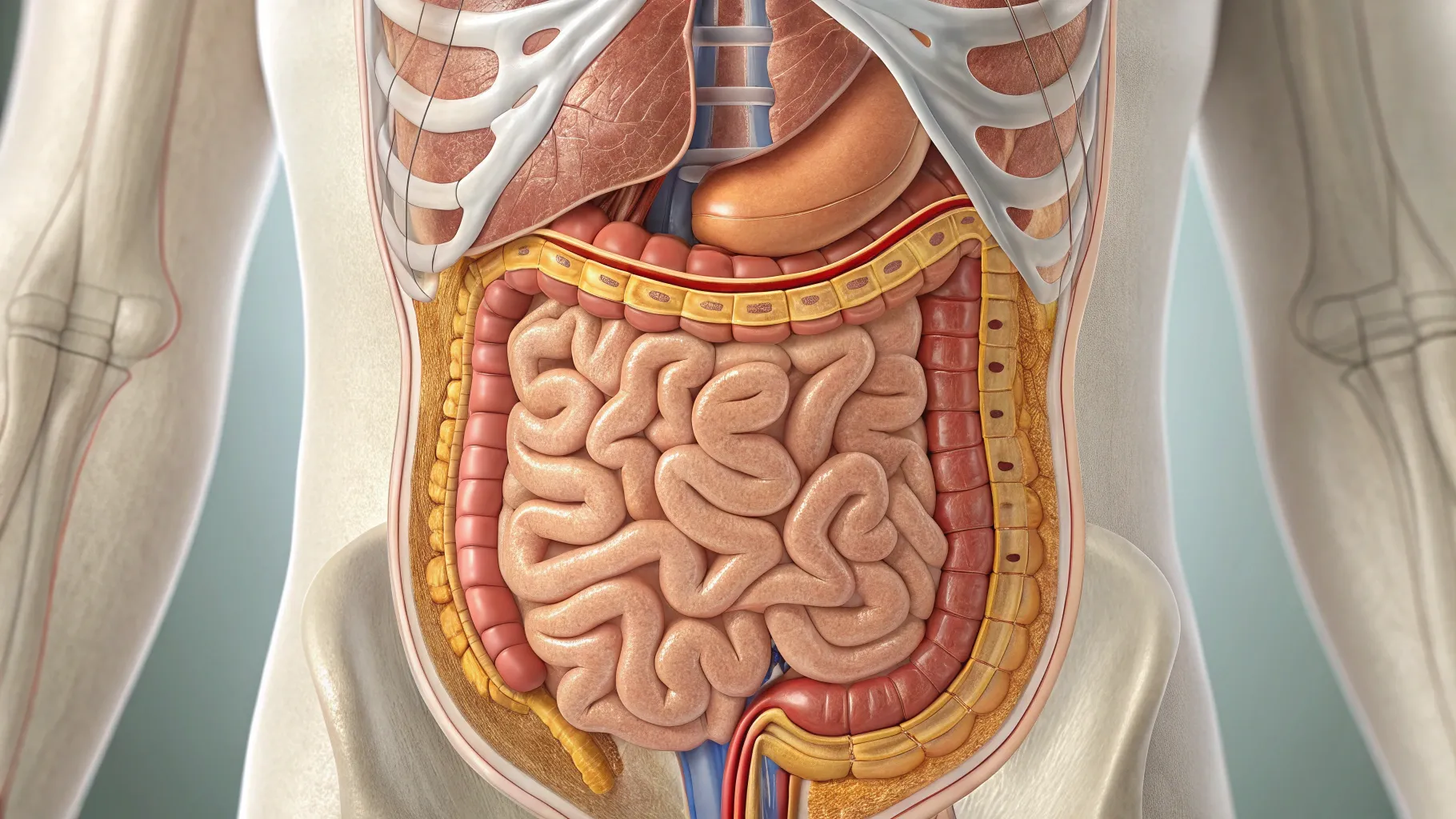
So, how do you know if you are facing appendicitis? In this article, we will explore various symptoms, the methods used for diagnosis, and the critical moments when you should seek immediate medical help.
Identifying the Symptoms of Appendicitis
One of the most significant challenges with appendicitis is that its symptoms often resemble those of various other health issues. Thus, diagnosing appendicitis can be complicated. Here are the main symptoms:
- Abdominal Pain: Typically, the pain begins around your navel and shifts to the lower right side of your abdomen. This relocation of pain is significant; when it localizes, it often signals that the appendix is inflamed.
- Loss of Appetite: A sudden dislike for food is common among those experiencing appendicitis. This can be a vital indicator that something is wrong.
- Nausea and Vomiting: Often accompanying abdominal pain, these symptoms can escalate quickly and are noteworthy.
- Fever: A mild fever is typical, but if left unchecked, it may rise as the condition worsens.
- Changes in Bowel Habits: Have you noticed constipation or diarrhea? Changes in your bowel habits can be an indicator of appendicitis.
- Abdominal Swelling: You might observe that your abdomen feels bloated or swollen as inflammation increases.
If you find yourself experiencing three or more of these symptoms at the same time, it’s advisable to seek medical assistance. Ignoring these signs might lead to severe complications, including a ruptured appendix. Such an event can become life-threatening, so it’s better to err on the side of caution.
Latest Diagnostic Methods for Appendicitis
After you identify possible symptoms, the next step involves diagnosis. In 2025, advancements in medical technology have introduced faster and more efficient diagnostic methods that can determine the presence of appendicitis. Here are some key techniques utilized today:
- Physical Examination: A doctor typically begins with a thorough check-up, focusing on pain and tenderness in specific areas of the abdomen.
- Blood Tests: Blood tests often accompany the diagnosis to look for infection markers. A higher-than-normal white blood cell count may point towards appendicitis.
- Imaging Tests: Technologies such as ultrasound or CT scans are usually employed to visualize the abdomen. Notably, statistics show that about 95% of appendicitis cases are accurately diagnosed using imaging techniques. They offer a clear picture, allowing healthcare professionals to make well-informed decisions.
- Urine Tests: Sometimes, physicians may conduct urine tests to exclude urinary tract infections or kidney stones as possible causes of the symptoms.
These diagnostic methods each play a crucial role in accurately assessing whether appendicitis is behind your symptoms. Interestingly, when there's uncertainty, many doctors prefer a conservative approach—utilizing observation and imaging instead of rushing into surgery.
When to Seek Immediate Medical Treatment
Knowing when to go to the doctor can be a matter of life and death. If you encounter any of the following situations, be sure to seek help:
- Severe abdominal pain that either persists or intensifies over time.
- Continuous vomiting.
- A fever that exceeds 100.4 degrees Fahrenheit (38 degrees Celsius).
- An inability to pass gas or have meaningful bowel movements.
- Pain that radiates to your back or rectum.
Recognizing the early signs of appendicitis can be crucial in minimizing the risks of serious complications like peritonitis. This condition occurs when a ruptured appendix releases infectious materials into the abdominal cavity. It can lead to aggressive and dangerous outcomes, making prompt attention a necessity.
Statistics and Real-World Incidents
As of 2025, approximately 250,000 appendectomies are performed in the United States annually, making this procedure one of the most common surgical interventions. Thankfully, there has been a noticeable decrease in surgery rates due to a rise in non-operative management approaches for uncomplicated appendicitis cases. This shift indicates a more profound understanding of managing the condition and reducing unnecessary surgeries.
For instance, a recent case study published in a medical journal discussed a 30-year-old woman who initially dismissed her symptoms as food poisoning. By the time she sought medical attention, her appendix had already ruptured, resulting in a complicated surgery and a long recovery period. This example emphasizes the importance of recognizing symptoms early on, as timely intervention could have avoided severe complications.
Additionally, recent research indicates that antibiotics can effectively treat uncomplicated appendicitis as an initial treatment method. In fact, this approach may prevent unnecessary surgeries in about 70% of patients. Early recognition of symptoms is crucial for the success of this non-surgical management option.
Ultimately, being aware of the symptoms of appendicitis, understanding current diagnostic methods, and knowing when to seek medical help can serve as your best defenses against complications from this condition. Should you or someone you know experience these symptoms, it is essential to take them seriously. Prompt action ensures the best possible outcomes.
Don't let yourself fall into a situation like many have before. If in doubt, reach out to a healthcare professional. It could make all the difference.
Authored by FreshLifeWire team